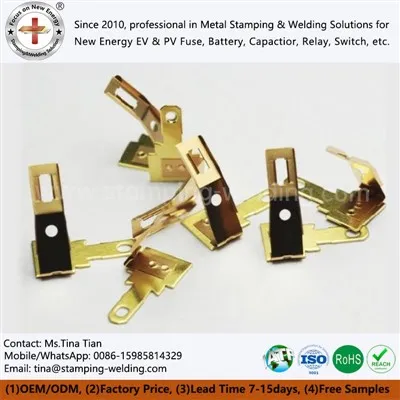
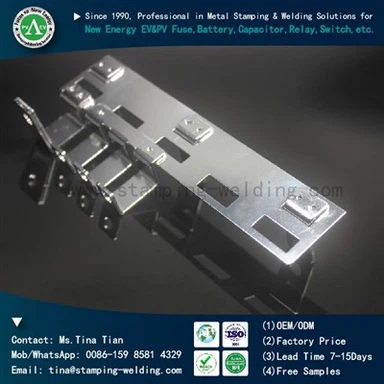
In depth analysis of Stainless steel stamped parts: A comprehensive view of material characteristics, process technology, and industry applications
Mar 17, 2026
Material system and definition of Stainless steel stamped parts
Stamping 304 stainless steel, as a common metal product, is defined as using stamping dies and presses to apply pressure to stainless steel plates, strips, or coils, causing them to undergo plastic deformation or separation, thereby obtaining parts with specific shapes, sizes, and properties.
In the selection of raw materials for Stainless steel sheet metal stamping, austenitic stainless steels such as 304 and 316 series dominate due to their excellent corrosion resistance, formability, and weldability. Among them, 304 grade is the most popular, while 316 can adapt to more stringent chemical or marine environments due to its molybdenum content; Ferritic stainless steel such as 430 is applied in specific scenarios due to its cost advantage and magnetic characteristics; Martensitic stainless steels such as 410 and 420 have high hardness and good wear resistance, but their application in the stamping field is relatively limited due to limited formability.

Core manufacturing process and surface treatment technology
The core of the Stainless steel stamped parts process lies in the two major processes of separation and forming. The former involves punching, dropping, and cutting, while the latter involves complex deformation processes such as bending, stretching, and flanging. This process is known for its high efficiency, high precision, and excellent material utilization, making it the preferred choice for large-scale production.
In addition to stamping itself, surface treatment is also a key step in enhancing the value of Stainless metal stamping, including polishing to improve appearance, acid pickling and passivation to restore and enhance corrosion resistance, and sandblasting or special coating treatment to meet functional requirements. It is worth noting that the design and manufacturing quality of the mold directly determine the accuracy and cost of the stamped parts, and the high hardness characteristics of stainless steel itself also put forward higher requirements for the mold life.
Performance Characteristics and Technical Challenge Analysis
304 stainless steel punching combines the advantages of corrosion resistance, high strength, hygiene and aesthetics. Its smooth and dense surface is widely used in the food and medical fields that require high cleanliness, and it has good recyclability. However, its processing also faces many technical challenges: the cost of stainless steel materials is relatively high, and work hardening is prone to occur during cold working, leading to increased difficulty in subsequent processes. At the same time, the springback after forming is relatively large, requiring precise compensation in mold design.
In addition, the high hardness of stainless steel exacerbates mold wear and may even lead to mold sticking issues, which poses professional requirements for lubricant selection and mold coating for OEM stainless steel stamping parts. In the welding process, improper heat input may cause intergranular corrosion, so it is necessary to strictly control the process parameters and ensure the best corrosion resistance through necessary passivation treatment.
Diversified application areas
With the excellent comprehensive performance mentioned above, the application field of Stainless steel clip is extremely broad. In the home appliance and kitchenware industry, it is the core component of refrigerator liners, sinks, and cooking utensils; Widely used in the fields of architecture and automotive, it is widely used for hardware components, exhaust pipes, body reinforcement components, and decorative strips; In the field of precision manufacturing, shielding covers, connectors for electronic communication equipment, and surgical instruments for medical devices all rely on its presence.
From pump and valve parts in industrial equipment to water treatment components for environmentally friendly energy, Custom stainless steel stamping are ubiquitous as the fundamental components of modern industrial and consumer products. Choosing the right material grade, optimizing the process route, and performing appropriate surface treatment are the key to ensuring their performance and lifespan.

contact us
If you have specific requirements for the selection or craftsmanship of Stainless steel stamped parts, please feel free to contact us for consultation at any time. We will provide you with professional technical support and customized solutions to help your project land smoothly.