How to Select Insulated Copper BusBar Insulation Methods? Balancing Insulation Performance, Manufacturing Costs, and Procurement Requirements
Aug 19, 2026
When selecting insulation for Insulated Copper BusBar, one cannot simply compare material costs; it is essential to comprehensively consider operating voltage, withstand voltage requirements, temperature, installation space, environmental conditions, and mass production costs. For new energy electrical connectors such as battery busbars, a sound insulation solution should meet safety requirements while avoiding unnecessary material and processing costs.

What factors need to be considered when selecting busbar insulation?
First, the system's operating voltage and dielectric strength requirements must be confirmed, and the operating temperature rise assessed based on the busbar's current-carrying capacity. For products such as PVC-dipped laminated flexible copper busbars, it is also necessary to consider whether the insulation thickness affects busbar spacing, terminal positioning, or internal cabinet space. Environments characterized by high humidity, salt spray, dust, or outdoor exposure require further evaluation of the material's aging and corrosion resistance.
Next, mechanical conditions must be considered. Applications involving new energy vehicles, energy storage systems, and industrial electrical equipment often entail vibration, friction during assembly, and spatial constraints. For instance, a tin-coated insulated flat copper busbar used in a battery system must not only meet electrical conductivity requirements but also accommodate installation positioning, insulation boundaries, and connection reliability.
How do different insulation methods balance cost and performance?
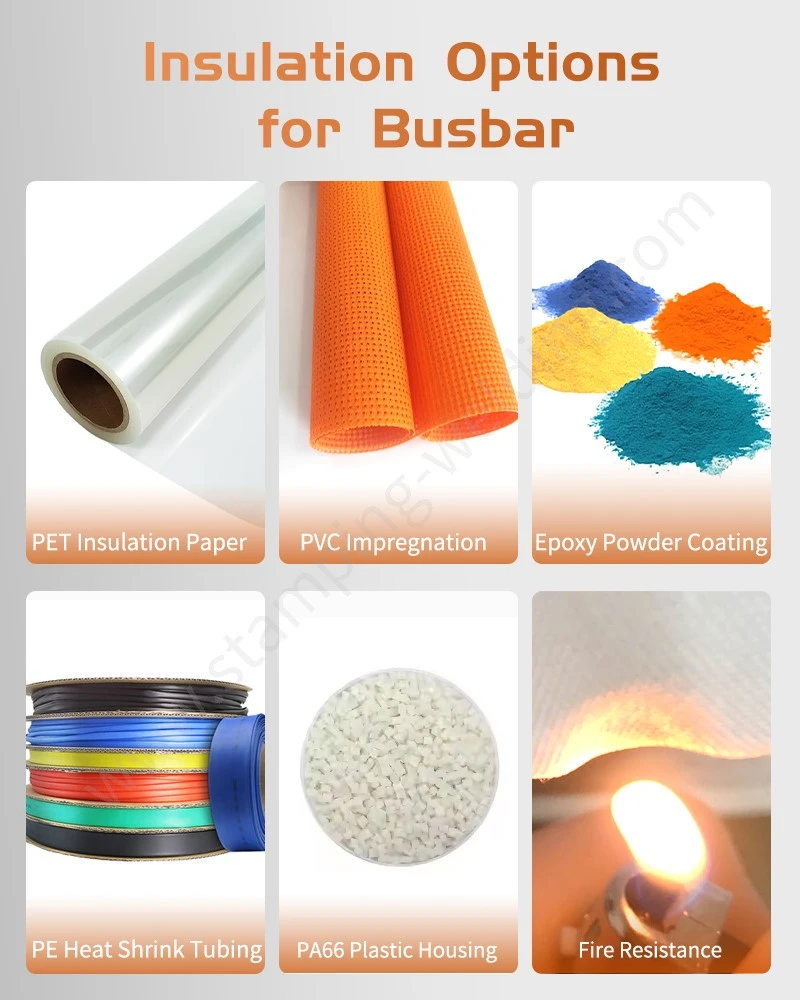
There are significant differences in costs and application scopes among the various processes. PVC dip coating is generally suitable for cost-sensitive scenarios requiring continuous insulation protection, whereas heat-shrink tubing offers processing flexibility, making it ideal for irregular shapes and localized insulation. Epoxy powder coating provides superior insulation and environmental protection, making it better suited for applications demanding high long-term insulation stability. For PVC-dipped, nickel-plated copper busbars used in EV batteries, the materials, plating, and insulation processes must be comprehensively evaluated based on the actual operating environment.
| Insulation Method | Cost Level | Insulation Protection | Environmental Adaptability |
|
PVC Dipping |
Low to Medium | Good | Good |
| Heat-Shrink Tubing | Low to Medium | Good | Good |
| Epoxy Powder Coating | Medium | High | High |
| Laminate | Medium to High | High | Depends on Material |
Comparing insulation methods for your copper busbar project?
Request Busbar Insulation Evaluation
How do you calculate the actual procurement cost of busbar insulation?
Procurement costs encompass not only the insulation material itself but also expenses related to processing, inspection, assembly, and the rework of defective parts. Taking PVC-dipped insulated battery busbar connectors as an example, a complex insulation structure can increase the man-hours required for dip coating, trimming, inspection, and assembly; consequently, even if the unit price of the material is low, the final total cost may not necessarily be advantageous.
Therefore, assessments should be based on the formula: "material cost + processing cost + inspection cost + assembly cost + costs associated with defects and rework." For volume procurement projects, consistent dimensional control and insulation uniformity are often more critical than simply reducing the unit price of materials. Factors such as plating, insulation, and dimensional control for plated, PVC-dipped insulated copper busbars should also be factored into the overall cost analysis.
The structural design of the busbar also affects insulation costs
Insulation costs are closely linked to the structural design of the busbar itself. Complex bends, narrow clearances, and irregularly shaped terminals complicate the insulation process; therefore, the areas requiring insulation coverage, edge chamfering, and connection terminal configurations should be carefully planned during the design phase. For PVC-dipped insulated copper bars, a well-optimized structural design can reduce material consumption while improving assembly compatibility.
For high-current connectors, the terminal area must typically satisfy requirements for both electrical contact and insulation boundaries. Optimizing the structure of pure copper insulated busbars at an early stage can reduce subsequent processing steps, material waste, and the need for assembly adjustments, thereby lowering mass production costs.
How do you select an insulation solution for different application scenarios?
Procurement priorities vary by equipment type. For EV batteries and PDUs, the focus is on high-voltage insulation, space constraints, and temperature rise; for ESS (Energy Storage Systems), the emphasis is on long-term operation, humidity resistance, and environmental durability; while industrial power distribution cabinets typically prioritize cost, installation efficiency, and ease of maintenance. Custom solid power busbars with insulated dipping tubes are particularly well-suited for selection based on specific electrical parameters and structural requirements.
Regarding battery interconnects, key considerations for Insulated Copper BusBar include cross-sectional area, insulation thickness, and installation space; for high-voltage electrical connections, it is necessary to verify withstand voltage requirements, creepage distances, and the extent of insulation coverage. The final solution should be determined based on actual voltage, temperature, environmental conditions, and annual procurement volume, rather than relying on a single insulation method.
What should be considered when sourcing suppliers for busbar insulation?
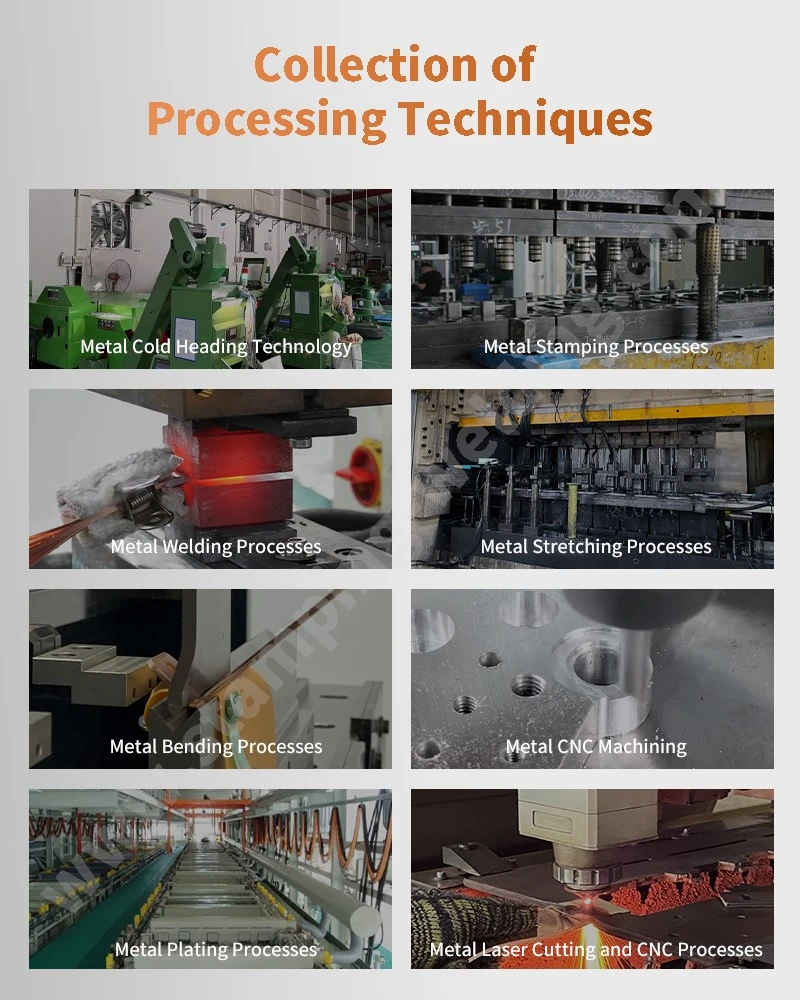
Supplier evaluation should cover aspects such as raw materials, copper busbar processing, insulation processing, testing capabilities, and mass production capacity. When sourcing PVC-insulated copper bars, verify the supplier's capabilities regarding T2/C1100 copper processing-including cutting, punching, CNC machining, bending, and deburring-and their ability to control critical dimensions according to engineering drawings.
Additionally, confirm their ability to perform inspections and tests for insulation thickness, visual quality, withstand voltage, and dimensions. For volume projects-such as PVC-insulated copper busbars for electrical connections-consideration should also be given to sample validation, small-batch trial production, mass production delivery, and quality traceability.
- Practical Selection Checklist
Before finalizing the insulation scheme, the procurement and engineering teams should confirm the following parameters: applicable voltage, withstand voltage requirements, operating temperature, environmental conditions, insulation thickness, busbar dimensions, installation space, annual procurement volume, testing requirements, and target unit price.
For products such as epoxy powder-coated copper busbars, costs should not be judged solely by the price of the insulation material; instead, the comprehensive cost across the entire manufacturing process and product lifecycle should be evaluated.
in conclusion
The cost-effectiveness of busbar insulation essentially involves balancing material and processing inputs while meeting requirements for electrical safety, mechanical protection, and environmental resilience. Epoxy powder coating, PVC dip coating, and heat-shrink insulation each have their own specific applications; the choice among them should be based on factors such as voltage rating, spatial constraints, environmental conditions, and procurement volume.
For copper busbars, if a project demands high insulation stability and robust environmental protection, epoxy powder coating should be prioritized for evaluation; conversely, if processing efficiency and cost are the primary concerns, PVC or heat-shrink insulation may be considered. The final choice of insulation method should be determined based on specific application parameters and mass production requirements.
Contact Us
If you are evaluating busbar insulation solutions, please provide details such as voltage rating, busbar dimensions, operating environment, and annual procurement volume. This will enable us to assess the suitability of options-such as customized powder-coated busbars, PVC dip coating, or heat-shrink insulation-and optimize your overall procurement costs.