Power Distribution Cabinet Industry Upgrades Toward Intelligence and Specialization: New Demand Emerges for Low-Voltage Power Distribution, Fiber Optic Cabling, and Data Center Power Equipment
Nov 12, 2026
With the ongoing development of new power systems, the expansion of data centers, the integration of new energy sources, and the advancement of industrial automation, the market for power distribution equipment is undergoing a structural transformation. Traditional power distribution cabinets are no longer limited to basic power distribution and circuit protection; features such as operational monitoring, communication management, fault early warning, space integration, and ease of maintenance have increasingly become critical factors in procurement and equipment selection for engineering projects.
In terms of market demand, the application scenarios for power distribution equipment are becoming more specialized. Industrial facilities, commercial buildings, residential developments, urban public infrastructure, telecommunications networks, and data centers each impose distinct requirements regarding structural design, electrical configuration, and protective performance. Simultaneously, the growth of fiber-optic communication infrastructure and direct-current (DC) power supply systems is driving the evolution of power distribution cabinets toward greater specialization, modularity, and system integration.
Increasing Specialization in Market Demand and Expanding Application Scenarios for Power Distribution Equipment
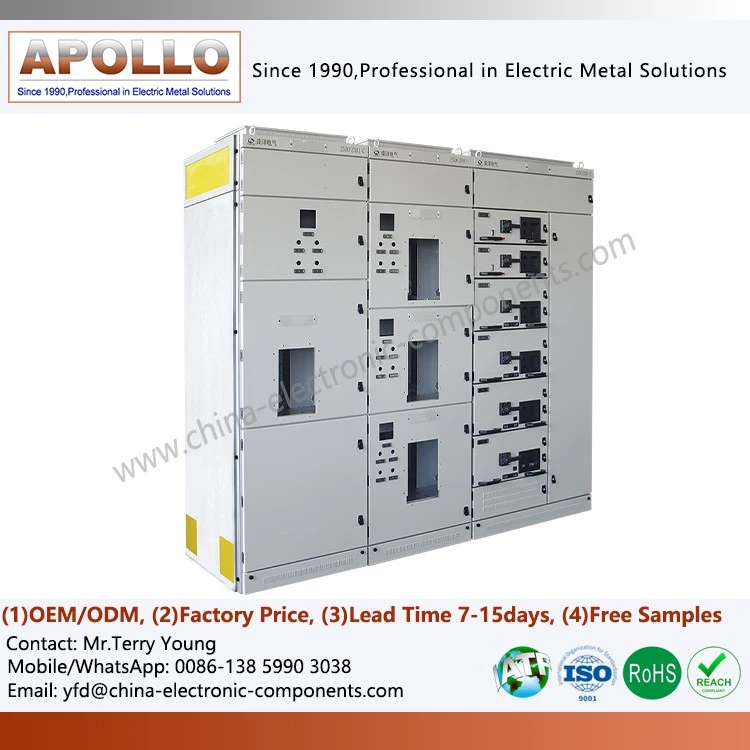
Power distribution cabinets are essential components in electrical systems, facilitating power distribution, circuit control, and safety protection. They are utilized across a wide range of sectors, including industrial manufacturing, construction, energy infrastructure, telecommunications, and public utilities. As end-user electrical loads increase and electrical systems grow in complexity, there is a rising demand for power distribution equipment tailored to various structural configurations, voltage levels, and installation environments.
In industrial and commercial building sectors, low-voltage power distribution equipment is primarily tasked with power distribution, circuit control, and protection against short circuits and overloads. These cabinets must be designed based on factors such as load capacity, the number of circuits, available installation space, and site-specific environmental conditions to ensure stable electrical connections and reliable protection during long-term operation. In residential settings, the focus shifts toward ease of installation, circuit layout, electrical safety, and the efficiency of future maintenance; consequently, residential power distribution cabinets have emerged as a distinct category with specific market requirements.
For urban infrastructure, outdoor power distribution equipment must be capable of withstanding environmental challenges such as temperature fluctuations, humidity, dust, and precipitation. Outdoor distribution cabinets-frequently used for street lighting, public facilities, and related power distribution tasks-rely on specific enclosure structures, ingress protection (IP) ratings, sealing designs, and internal component layouts to ensure effective performance in outdoor environments. For equipment intended for long-term outdoor installation, the manufacturing process must account for factors such as material corrosion resistance, surface coatings, door-locking mechanisms, and the positioning of cable entry and exit points.
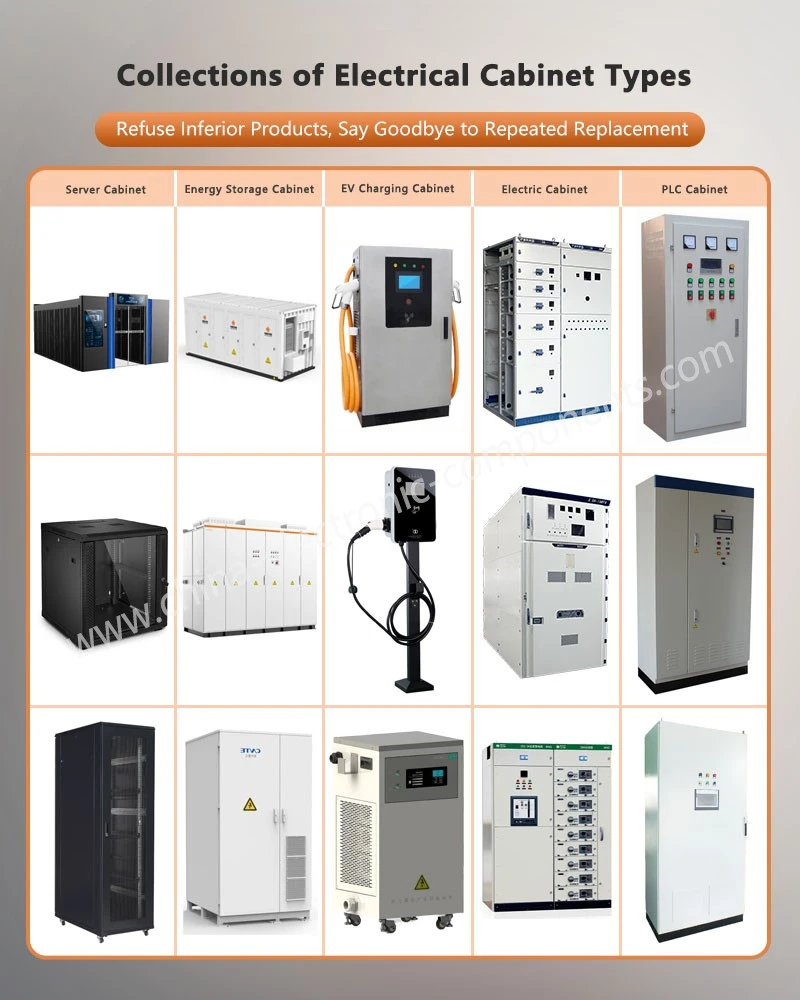
In terms of product structure, electrical distribution cabinets encompass not only standard AC distribution units but also DC distribution equipment, telecommunications power distribution systems, and specialized enclosures designed for specific engineering applications. Since requirements for rated voltage, current capacity, protection methods, thermal management, and mounting configurations vary by equipment type, manufacturers must tailor product development and configuration to the specific conditions of each project.
Upgrading Low-Voltage Distribution Cabinets: A Focus on Safety, Protection, and Structural Design
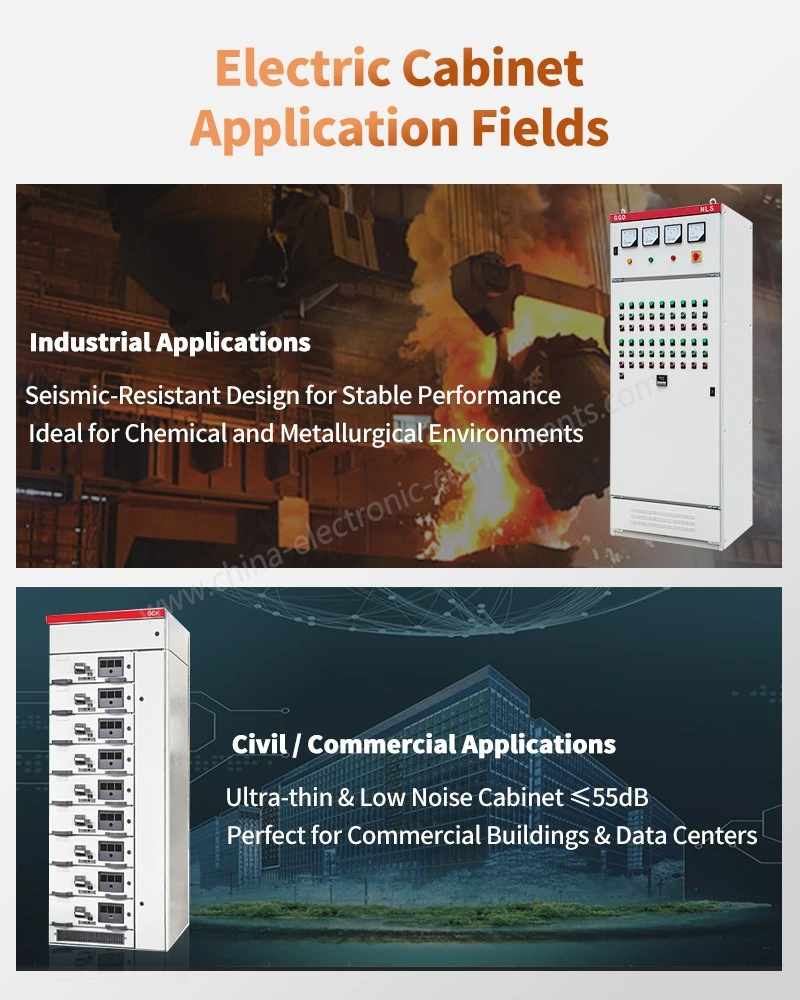
Low-voltage distribution systems are widely used in industrial facilities, commercial complexes, residential buildings, and public infrastructure. As the variety of electrical loads grows, traditional, monolithic distribution structures often struggle to meet the demands of complex projects-particularly regarding circuit management, equipment monitoring, and maintenance efficiency.
The design of a low-voltage distribution cabinet requires careful coordination among components such as circuit breakers, contactors, fuses, busbars, terminal blocks, and auxiliary control elements. The placement of internal components, the configuration of busbar connections, and the routing of wiring must strictly adhere to electrical design specifications to prevent issues such as localized overheating, maintenance difficulties, or insufficient insulation clearance resulting from poor spatial layout.
In engineering projects, distribution equipment-including high-capacity distribution cabinets-must be configured based on the distribution hierarchy and load distribution. Equipment selection should go beyond rated voltage and current; it must also account for short-circuit withstand capacity, protection coordination, grounding methods, and cable entry/exit schemes. For multi-circuit distribution systems, the logical segmentation of functional units enhances operational management efficiency and minimizes the impact that maintenance on one circuit may have on others.
The manufacturing quality of a distribution cabinet is also critical to system reliability. Key control points include the thickness of the enclosure material, bending precision, welding quality, door-panel assembly tolerances, surface treatment, and grounding connections. For projects requiring batch delivery, manufacturers must implement a comprehensive quality control process-covering everything from sheet-metal fabrication and component assembly to final unit testing-to ensure consistency in dimensions and assembly across all batches.
Data Center Development Drives the Evolution of Cabinet Power Distribution Systems Toward High-Density Integration
The continuous growth of artificial intelligence (AI) computing, cloud services, and enterprise digital operations has led to an increase in both the number of servers and the power density within data center cabinets. Power distribution systems in data centers must handle power input, distribution, protection, and monitoring-all within the limited space of a cabinet-while ensuring continuous equipment operation and accommodating future capacity expansion.
Power distribution within server cabinets is a critical component of the overall electrical infrastructure, typically encompassing power distribution units (PDUs), distribution modules, busbars, and various protective elements. As the power requirements of equipment housed within these cabinets rise, distribution architectures must increasingly focus on current-carrying capacity, temperature rise at connection points, cable routing, and maintenance accessibility.
For data centers utilizing rack-based deployments, power distribution cabinets must be designed with careful consideration of server density, power supply architecture, and cabinet dimensions. Internal electrical connections should minimize unnecessary cable crossings, while also providing sufficient space for future equipment replacement, circuit expansion, and operational monitoring. In high-density computing environments, power distribution equipment must be integrated and coordinated with the cabinet's cooling systems, monitoring infrastructure, and upstream power supply facilities.
In DC-powered applications, DC distribution cabinets handle the aggregation, distribution, and protection of DC power; their specific configuration depends on system voltage levels, load types, and the overall power architecture. DC power distribution units focus on managing DC input/output circuits and ensuring the coordination of protective components. For servers, telecommunications equipment, and other DC-powered loads, manufacturers must prioritize clear polarity labeling, reliable terminal connections, robust insulation, and effective fault isolation.
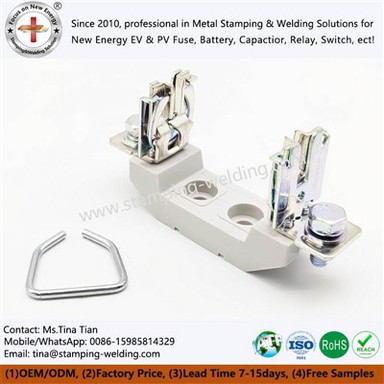
Furthermore, fused distribution cabinets utilize fuses to provide overcurrent protection for specific circuits-an ideal solution for scenarios requiring branch circuit protection and fault isolation. The selection of fuses-based on their rated current, breaking capacity, and time-current characteristics-must be carefully matched to the actual load and the system's short-circuit conditions, rather than relying solely on the rated current value.
The Evolution of Fiber Optic Distribution Infrastructure Drives the Specialization of Telecommunications Cabinets
With the ongoing expansion of 5G communications, cloud computing, data center interconnects, and fiber-optic access networks, there is an increasing demand for the centralized management, connection protection, and maintenance of fiber-optic lines. Fiber optic distribution equipment is primarily used for securing optical cables, splicing fibers, accommodating connectors, managing patch cords, and distributing lines; it serves as a critical component of telecommunications network infrastructure.
Fiber optic cabinets are typically employed for the centralized management of optical lines and the installation of equipment. Their structural design must account for cable entry, splicing operations, the routing of patch cords, and ongoing maintenance. Compared to standard electrical distribution cabinets, fiber optic cabinets have distinct requirements regarding internal routing space, the control of fiber bend radii, and the layout of connection zones. A well-designed modular structure helps minimize maintenance challenges caused by tangled fibers or disorganized cabling.
Within the distribution segment of a fiber optic network, fiber optic distribution cabinets facilitate the connection, distribution, and protection of optical lines. They are widely used in telecommunications access networks, Fiber-to-the-Home (FTTH) deployments, and regional communication networks. Depending on the installation environment and network architecture, these units can be designed for indoor or outdoor use and are equipped with components such as fiber adapters, splice trays, mounting slots for splitters, and cable-securing mechanisms.
While the core functions of fiber distribution cabinets align with those of general fiber optic distribution equipment, their specific structure and configuration must be tailored to the network architecture, fiber count, and on-site installation conditions. For outdoor applications, factors such as enclosure materials, sealing, ingress protection (against water and dust), and weather resistance are paramount. For indoor telecommunications rooms, the focus shifts to installation density, operational workspace, and the efficiency of fiber management.
In fiber optic communication projects, ODF (Optical Distribution Frame) cabinets are generally used for the centralized installation of fiber distribution frames and line management, enabling cable termination, splicing, patching, and circuit scheduling. Optical distribution cabinets, meanwhile, are more frequently used for regional distribution and access management. As the functional roles of these units can vary depending on the specific project, technical requirements-such as network topology, installation location, and fiber management capacity-should be clearly defined during the procurement process.
For outdoor fiber cross-connection scenarios, outdoor fiber optic cross-connection cabinets must feature robust structures for securing cables, protecting splices, and managing patch cords, while also meeting the environmental protection standards required for the installation site. Outdoor distribution cabinets emphasize adaptability to outdoor installation environments; their design must be evaluated by considering local climatic conditions, installation foundations, cable entry/exit methods, and maintenance requirements.
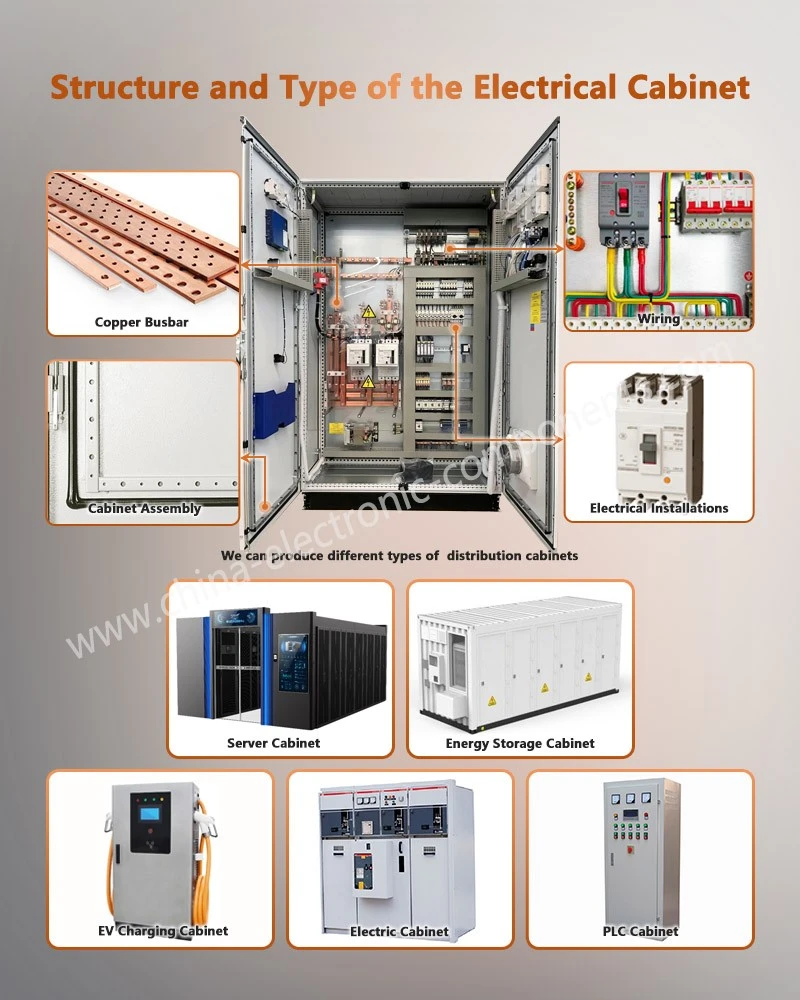
The Evolution of Distribution Cabinet Manufacturing: Toward Modularity and Precision Engineering
The performance of power distribution equipment depends not only on the electrical components themselves but also, to a significant extent, on the manufacturing precision, structural integrity, and assembly quality of the cabinet enclosure. As application scenarios for these products become increasingly specialized, manufacturers must possess comprehensive production capabilities-including sheet metal processing, precision stamping, bending, welding, surface treatment, and component assembly.
During the fabrication of the cabinet structure, processes such as laser cutting, CNC stamping, and CNC bending are employed to enhance the precision of sheet metal processing. For cabinets required to support heavy loads or meet complex installation specifications, the strategic integration of stiffeners, mounting brackets, and internal partitions is essential to ensure overall structural stability.
Welding is primarily used for cabinet frames, mounting bases, and structural joints. The choice of welding method must be tailored to the material type, sheet thickness, and structural requirements, with careful control over weld quality and potential deformation. For products requiring high assembly consistency, the use of specialized jigs for positioning, combined with in-process inspections, helps minimize dimensional deviations.
Surface treatment is another critical stage in the manufacturing of distribution cabinets. Techniques such as powder coating, painting, electroplating, or other protective treatments are selected based on the equipment's installation environment and material properties. For outdoor cabinets, particular attention must be paid to coating adhesion, corrosion resistance, and long-term environmental adaptability to prevent premature degradation of the equipment due to inadequate surface protection.
Furthermore, as the functional modules within power distribution equipment continue to expand, modular design has emerged as a key strategy for enhancing production efficiency and simplifying maintenance. By utilizing standardized mounting interfaces, detachable functional units, and well-organized internal wiring, manufacturers can improve assembly efficiency while gaining greater flexibility for future product upgrades and project-specific customization.
Engineering Procurement: A Growing Focus on System Compatibility and Full-Lifecycle Quality
The procurement of power distribution cabinets has shifted from a primary focus on equipment price toward a comprehensive evaluation that encompasses technical compatibility, manufacturing capabilities, operational reliability, and after-sales support. For projects involving industrial power distribution, data centers, and telecommunications infrastructure, it is essential for purchasers to define the equipment's operating environment, system architecture, and technical parameters during the early stages. This prevents issues during subsequent installation or operation that might otherwise arise from unclear initial specifications.
During the technical review phase, key aspects to verify include the equipment's rated voltage and current, short-circuit protection requirements, insulation performance, ingress protection (IP) rating, installation dimensions, and cable entry/exit configurations. For equipment featuring communication or intelligent monitoring capabilities, it is also necessary to specify communication interfaces, data acquisition scope, protocol compatibility, and system integration requirements. In the case of fiber-optic distribution equipment, focus should be placed on fiber core counts, adapter types, splicing capacity, cable entry/exit methods, and the space required for maintenance.
A manufacturer's quality management capabilities are equally critical. Purchasers can evaluate whether a product meets the project's technical specifications through rigorous checks-such as material inspection, dimensional verification, weld quality assessment, surface treatment evaluation, electrical performance testing, and factory acceptance testing. For customized products, it is advisable to validate drawings, structural design, materials, and assembly plans during the prototyping stage before proceeding to mass production; this helps minimize design changes and delivery risks.
Looking ahead, the power distribution equipment market will continue to evolve toward greater specialization, digitalization, and application-specific design. Distinct product categories-such as low-voltage power distribution, DC power supply, server cabinet power distribution, and fiber-optic communication distribution-will increasingly be governed by specific technical standards and manufacturing requirements tailored to end-use needs. Manufacturers with expertise in structural design, precision machining, electrical assembly, and quality control will be better positioned to secure opportunities in complex engineering projects.
For clients requiring customized power distribution cabinets, communication cabinets, or precision metal components, it is recommended to provide comprehensive information during the inquiry phase-including product drawings, installation dimensions, rated voltage and current, circuit configurations, material specifications, surface treatment methods, and the intended operating environment. Based on this, manufacturers can assess structural feasibility, production processes, assembly strategies, and testing requirements, subsequently moving forward with prototype validation and mass-production planning. Establishing clear technical parameters through early-stage engineering communication ensures that the equipment aligns effectively with on-site systems, thereby enhancing the stability of subsequent installation, operation, and maintenance.
contact us