Process characteristics and special technical requirements of Aluminum Stamping
Jan 06, 2026
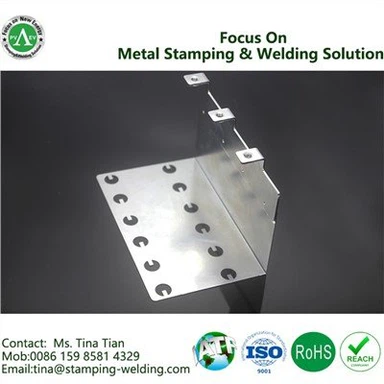
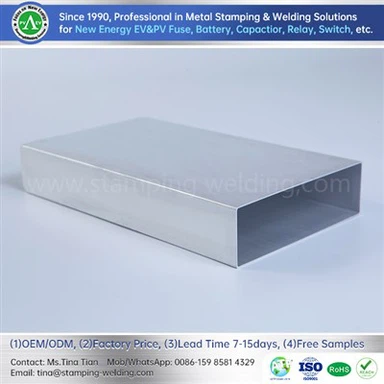
The unique performance advantages of aluminum alloy make it one of the preferred materials for lightweight development in modern automobiles. In-depth research on the forming characteristics of Aluminum Stamping, sorting out the technical points of stamping, welding, and painting in their application to vehicle bodies, and analyzing the current application status of stamped aluminum sheets in China's automobile industry, as well as proposing solutions and suggestions for process issues encountered during the use of aluminum alloy, are of great practical significance for promoting the lightweight upgrade of China's automobile industry.

Welding process requirements for aluminum alloy stamping plates
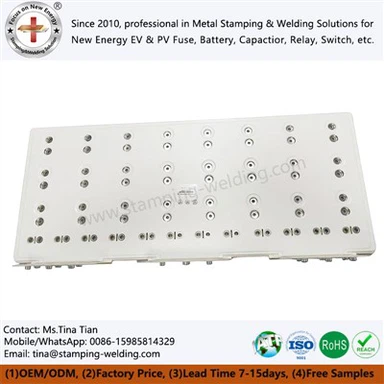
Rivetless connection process: Aluminum Stamping riveting connection is achieved by cold extruding 2 or more layers of metal plates using pressure equipment and specialized molds, forming internal embedded connection points with certain tensile and shear strength. This process has strong adaptability, and the thickness of the connecting plates can be the same or different, allowing for the presence of adhesive layers or other intermediate layers. The materials can also be flexibly matched, and the connection effect is excellent without the need for additional auxiliary connecting pieces.
Punching and riveting connection process: Aluminum Mounting Brackets riveting connection is achieved by using riveting equipment to press rivets into the connected material, forming stable, secure, and aesthetically pleasing connection points. This process has five significant characteristics: firstly, it has high connection strength, and the shear and tensile dynamic fatigue strength and impact resistance of the locking rivet connection point are higher than or equal to those of the spot welding connection point; Secondly, the quality can be visually inspected. As long as the rivet is completely inserted into the workpiece and a protruding joint is formed on the other side of the workpiece, it can be judged as qualified; Thirdly, the process is simple and the connected materials do not require drilling in advance; Fourthly, it has excellent sealing performance, and the connection points can effectively block the invasion of gas and liquid, avoiding material corrosion; Fifth, it has a wide range of adaptability and can achieve reliable connections between metals and non metals, different materials, thicknesses, and strengths.
Resistance welding: At present, aluminum alloy resistance welding generally adopts medium-frequency or high-frequency resistance welding technology. This process only melts the base metal to form a molten pool within the diameter range of the electrode of the welding tongs through an extremely short heating time. After the welding point cools rapidly, the connection is completed, and the possibility of producing aluminum magnesium dust is extremely low. The smoke and dust generated during the welding process are mostly oxide particles on the metal surface and surface impurities. With the local exhaust system of the workstation, the particles can be timely discharged through the air duct, and there is basically no deposition of aluminum magnesium dust, ensuring production safety. This safe and efficient welding process is also suitable for the processing of photovoltaic aluminum parts, such as Aluminum Alloy Waterproof Solar Rail, ensuring reliability for outdoor use.
CMT cold transition welding and argon arc welding: Both CMT cold transition welding and argon arc welding use inert gas shielding, but there is still insufficient contact between molten metal and oxygen in high-temperature environments. Under the action of an arc jet, aluminum magnesium metal particles with a smaller particle size will be generated. These particles splash into the working environment and are prone to form aluminum magnesium dust deposition, posing a risk of dust explosion. Therefore, targeted dust explosion prevention and treatment measures need to be implemented to ensure the safety of the production process. In the welding process of Aluminum Accessories for Solar Mounting, strict dust prevention and control measures must also be implemented when using this type of technology.

Stamping process requirements for aluminum alloy stamping sheets
Molding and mold process requirements: Research shows that the forming process of aluminum alloy is basically the same as that of ordinary cold plate, and the use of waste knives can be reduced by adding processes to reduce the amount of aluminum chips produced. However, there are significant differences in the requirements for molds in the Aluminum Wall Bracket compared to ordinary cold plate, and special technical standards need to be met to ensure stamping quality.
Long term storage precautions: The long-term storage of aluminum alloy sheets should focus on three core points: firstly, aluminum sheets have aging hardening characteristics, which may lead to an increase in yield strength and a decrease in edge processing. Therefore, when making molds, materials that meet the upper limit of specification requirements should be considered, and feasibility confirmation should be completed before production. Secondly, the stretching oil and rust-proof oil used in production have strong volatility, and should be used immediately after opening the sheet packaging. If they cannot be used immediately, they need to be cleaned and oiled before stamping. Thirdly, the surface of the aluminum sheet is prone to oxidation, and it is strictly prohibited to place it outdoors. Special packaging and other targeted management measures must be taken. In the field of photovoltaics, the storage of aluminum components, such as Aluminum Alloy Waterproof Solar Rail, also needs to follow similar principles of oxidation and damage prevention to ensure product performance.

summary
Modern cars are developing towards lightweight, high-speed, safe and comfortable, low-cost, low-emission, and energy-saving directions. The development of the automotive industry is closely related to the three major fields of energy, environmental protection, and safety. With the increasing awareness of environmental protection, Aluminum Stamping has demonstrated unparalleled advantages over other lightweight materials in cost control, manufacturing technology, mechanical properties, and sustainable development. They will undoubtedly become the preferred lightweight material for the automotive industry in the future. At the same time, the application of aluminum alloys in new energy fields such as photovoltaics will continue to expand. The process optimization of products such as Aluminum Photovoltaic Bracket Accessories will further promote the diversified application development of aluminum alloy materials.
contact us