Safety guidelines for Laminated BusBar for Industrial: focusing on insulation, thermal management, and connection reliability
May 16, 2026
With the rapid development of industries such as new energy vehicles, IGBT converters, and rail transportation, Laminated BusBar for Industrial, with their core advantages of low inductance and high current, have become key connection components in various high-power electrical equipment. Their safe use directly affects the stability and safety of equipment operation and is a crucial prerequisite for preventing electrical faults and ensuring the orderly development of industries. Currently, the industry has established a comprehensive set of safe usage standards for laminated bus bars, covering multiple core aspects such as structural protection, electrical connections, thermal management, and daily maintenance, providing scientific guidance for industry applications.
Basic protection
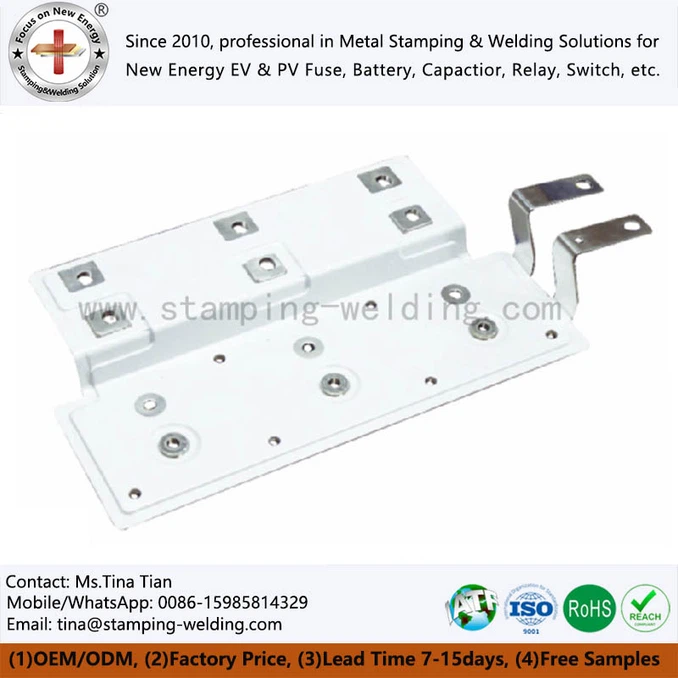
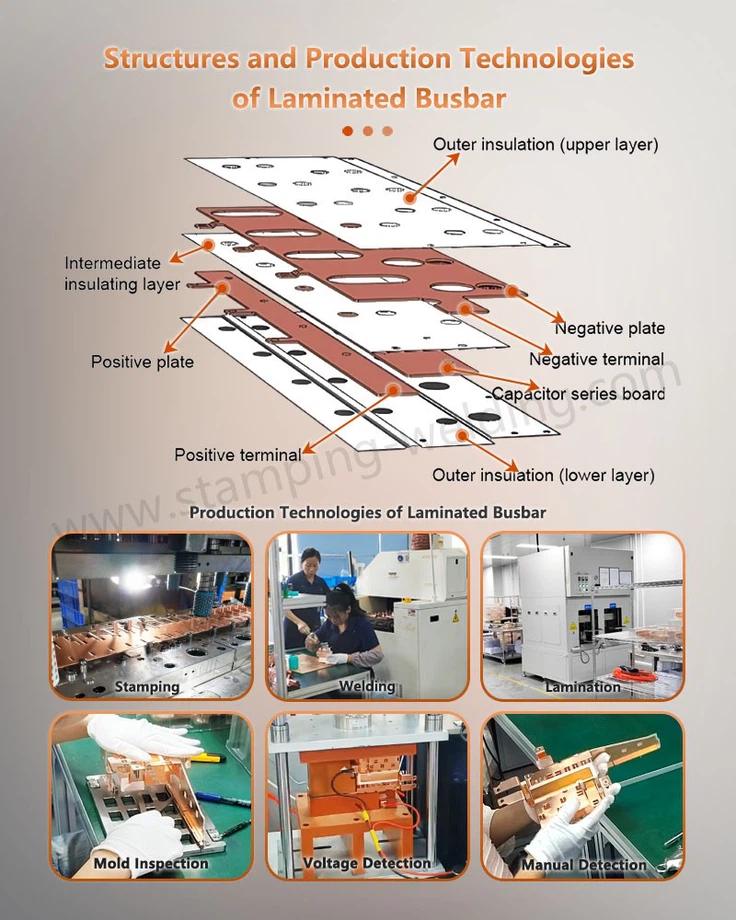
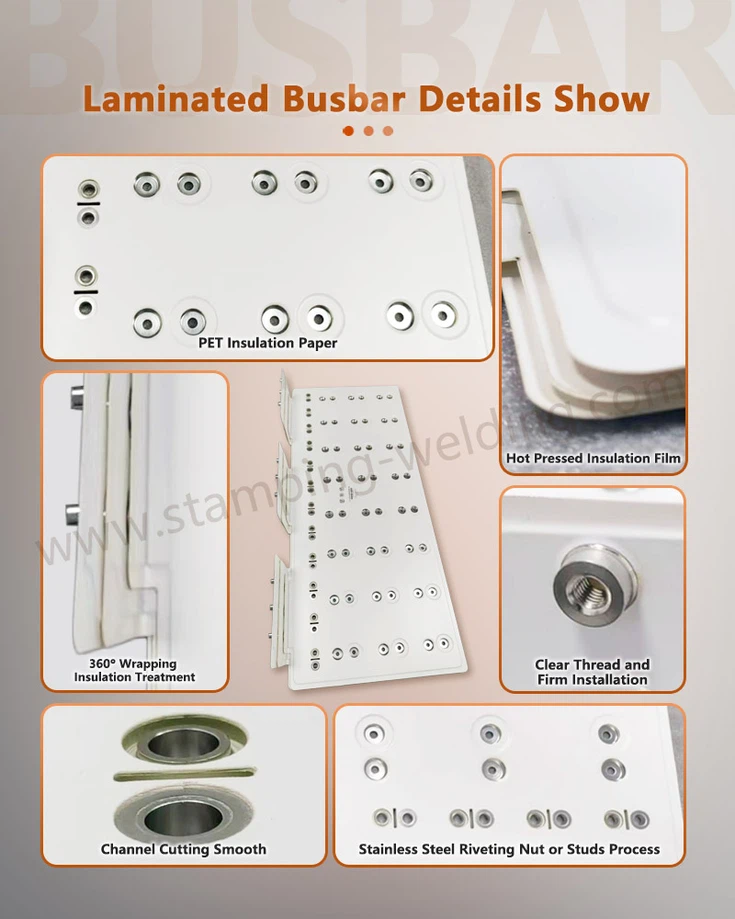
Structural and insulation protection are fundamental to the safe use of laminated busbars and are crucial for preventing short-circuit hazards. In practical applications, strict control over interlayer insulation quality is essential. Complete insulation between conductor layers is mandatory, and high-temperature resistant, high-breakdown-voltage insulation materials such as PET, Nomex, and polyimide film should be prioritized to meet the requirements of laminated bars for high-temperature applications. Simultaneously, edge treatment should be optimized according to the operating environment. In complex environments such as high humidity and dust, resin-sealed or resin-sprayed edge-sealed busbars should be preferred to effectively prevent moisture and dust intrusion and avoid interlayer short circuits. Furthermore, safety distance requirements must be strictly followed during the design and installation phases. Sufficient creepage distances and clearances must be reserved at the exposed conductor ends according to the system voltage level to mitigate insulation hazards from the outset.
Standard installation
The standardization of electrical connections and installation directly affects the operational stability and safety of laminated bars. During installation, it is crucial to avoid subjecting the busbars to mechanical stresses such as torsion or tension to prevent damage to conductors or insulation layers. When connecting to components such as IGBTs and capacitor terminals, ensure the contact surfaces are flat and tighten using a torque wrench to the standard torque to prevent problems such as localized overheating and arcing due to poor contact. It is noteworthy that when bolts pass through the interlayers or surface of the bar, insulating sleeves and gaskets must be used to prevent short circuits caused by the metal bolts. This is a crucial detail to consider during the laminated busbar design process.
Thermal Management
Thermal management and environmental control are crucial for extending the service life of laminated busbars and ensuring safe operation. The service life of laminated bars is directly related to their operating temperature. During operation, the highest hot spot temperature must be monitored in real time to ensure it does not exceed the long-term tolerance of the insulation material. In high-current operating scenarios, cooling measures such as air cooling and water cooling are necessary to ensure air circulation around the bars and prevent direct baking by external heat sources such as high-power resistors and heat sinks, thus reducing the risk of overheating damage. Especially in scenarios such as new energy vehicles and photovoltaic inverters, adherence to thermal management standards for laminated busbars for photovoltaic inverters is critical to the overall energy efficiency and safety of the equipment.
Routine maintenance
Routine daily operation and maintenance are crucial for timely identification of safety hazards and prevention of malfunctions. Industry experts recommend regular preventative inspections of multilayer busbars, using infrared thermography to detect abnormal hotspots and measuring the insulation resistance between conductor layers to promptly identify potential issues such as insulation aging and breakdown. If the system experiences abnormal high-frequency voltage spikes, it is essential to thoroughly inspect the low-inductance characteristics of the multilayer bars to prevent voltage breakdown and subsequent malfunctions. Furthermore, during the design and selection phase of multilayer busbars, strict adherence to relevant international standards such as UL and IEC is necessary to ensure product suitability for specific application scenarios and guarantee safe use from the outset.
Industry Outlook
As high-power electrical equipment upgrades towards higher capacity and higher voltage, the application of Laminated BusBar for Industrial devices will become more widespread, and their safety usage standards will continue to be optimized and improved. In the future, the industry will further strengthen the implementation of these standards, encouraging companies to improve their installation and maintenance capabilities, and contributing to the safe, efficient, and stable operation of equipment in the new energy and industrial sectors.
Contact Us
If you have any questions or needs regarding the safe use, standard implementation, and selection and adaptation of Laminated BusBar for Industrial, please feel free to contact us for professional solutions and technical support.