Special requirements for the process of Aluminum alloy water proof solar rail
Apr 13, 2026
Forming characteristics and mold requirements of Aluminum alloy water proof solar rail
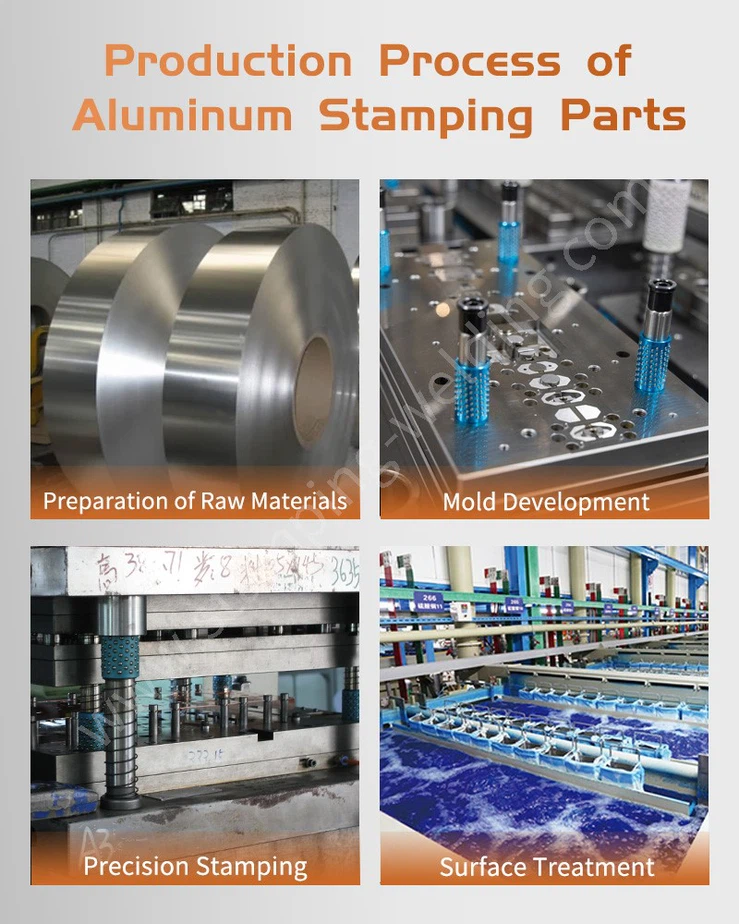
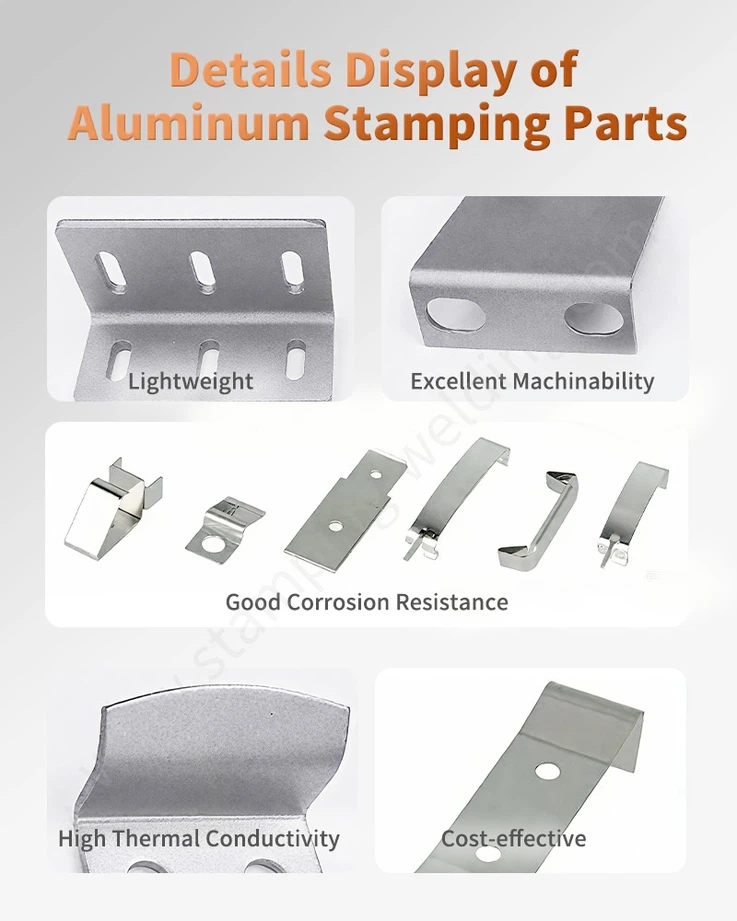
Aluminum alloy has become one of the preferred materials for automotive lightweighting due to its advantages such as low density, light weight, good formability, and recyclability. The global automotive industry consumes over 12% -15% of the total aluminum production, with some developed countries exceeding 25%. The forming process of Aluminum photovoltaic bracket accessories sheet is basically the same as that of ordinary cold plate, and the production of aluminum chips can be reduced by adding processes and reducing the use of waste knives. However, its mold requirements are significantly different from those of ordinary cold plate.
Specifically, tool steel with good wear resistance and adhesion resistance should be selected as the mold material; The gap between molds is usually set at 3% -8% of the plate thickness to achieve clean cutting edges; The fillet radius should be appropriately increased to disperse stress; The surface of Aluminum accessories for solar mounting needs to be polished and coating technology can be used to extend the mold life. In addition, there are three points to pay attention to when storing aluminum alloy sheets for a long time: aging hardening can lead to an increase in yield strength and a decrease in edge workability.
When making molds, the upper limit material should be considered and feasibility confirmation should be completed in advance; Drawing oil and rust proof oil are prone to volatilization, and the sheet should be used immediately after opening or cleaned and coated with oil before stamping; The surface is prone to oxidation and should not be placed outdoors. Special packaging management is required.

Welding and connection process requirements for Aluminum alloy water proof solar rail
The main processes involved in the welding and assembly of Aluminum clamp hook for roof photovoltaic support include resistance welding, CMT cold transition welding, tungsten inert gas welding, riveting, non riveted connections, and polishing. Rivetless connections are formed by cold extrusion of multi-layer metal plates using pressure equipment and specialized molds, forming internal embedded connection points that allow for the combination of plates of different thicknesses and materials without the need for auxiliary connectors. Punching riveting connection uses riveting equipment to press rivets into the material, which has the advantages of high connection strength (dynamic fatigue strength not lower than spot welding), visual quality inspection, no need for pre drilling, sealed and corrosion-resistant connection points, and adaptability to dissimilar material connections.
In terms of resistance welding, Aluminum solar panel end clamps for PV mounting systems typically use mid frequency or high-frequency processes to melt the base material within a very short period of time within the electrode diameter range, forming a molten pool and minimizing the possibility of producing aluminum magnesium dust. Combined with local exhaust, oxide particles can be promptly removed. Although CMT cold transition welding and argon arc welding use inert gas protection, small aluminum magnesium metal particles will still splash at high temperatures, forming dust deposition and posing a risk of dust explosion. Targeted prevention and treatment measures must be implemented.
Roller edge process requirements
The roller edge pressing of Aluminum solar middle clamp differs significantly from that of regular cold plate. Aluminum has lower toughness than steel, and the compression force should not be too large. The compression speed is relatively slow, generally controlled at 200-250 mm/s. The compression angle should not exceed 30 ° each time, and V-shaped compression should not be used. In terms of temperature, the roller edge should be carried out at a room temperature of 20 ℃, and parts that have just been retrieved from the cold storage should not be operated immediately. The roller edge form is divided into ordinary pressing and European pressing: ordinary pressing includes three steps: first pre pressing, second pre pressing, and final pressing, suitable for situations where there are no special strength requirements and the outer flange edge angle is normal; European compression adds an additional European compression step, consisting of four steps, which is usually used for long edge compression such as front and rear covers, and can also be used to reduce or eliminate surface defects. In terms of equipment maintenance, the bottom mold and inserts of the Aluminum mounting brackets pressing equipment need to be regularly polished and maintained with 800-1200 # sandpaper to ensure that there are no aluminum shavings adhering to the surface.
Requirements for pre-treatment process before painting
Metal stamping aluminum needs to undergo water washing and passivation treatment before painting. The principle is to remove the naturally formed oxide film and oil stains on the surface of aluminum parts, and through the chemical reaction between aluminum alloy and acidic solution, wrap a dense oxide film on the surface of the workpiece, thereby improving the adhesion between the adhesive and the weld, maintaining long-term adhesive connection and stable resistance. Therefore, all parts that require processes such as laser brazing and CMT welding need to be passivated by water washing. The water washing and passivation equipment consists of a degreasing area, an industrial water washing area, a passivation area, a clean water cleaning area, a drying area, and an intake and exhaust system.
Contact us
Premium polished aluminum sign mount brackets have special requirements that differ from traditional steel in mold design, welding connections, roller edge pressing, and pre-treatment before coating. The process selection needs to be finely matched according to specific application scenarios. If you encounter technical difficulties related to the Aluminum alloy water proof solar rail in actual production or wish to obtain more targeted process optimization suggestions, please feel free to contact us at any time.