

A Cost-effective Option: PP Plastic Insulated Busbars Contribute To The Lightweight Development Of Power Distribution Systems.
Feb 08, 2026
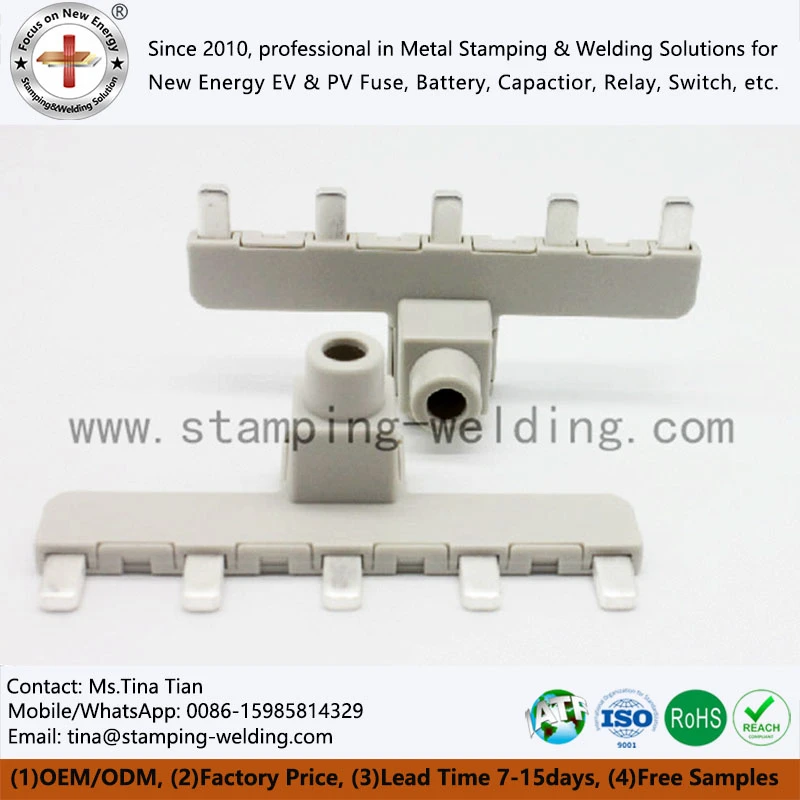
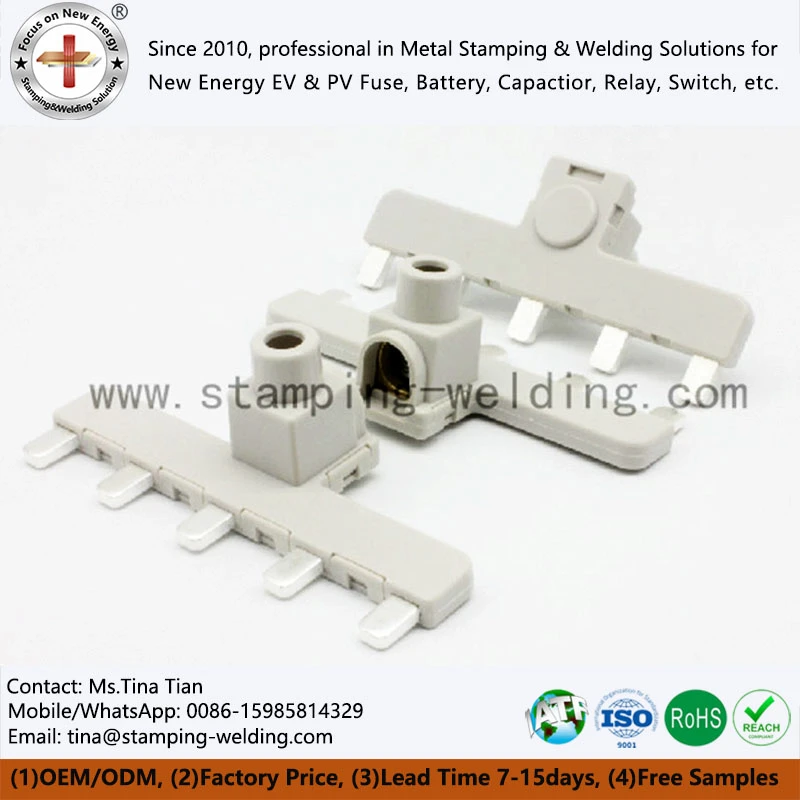
With the trend towards lightweight, economical, and safe upgrades in low-voltage power distribution systems, the selection of insulation materials has become crucial for optimizing bar system performance. PP Plastic Insulation Busbar, which use polypropylene (PP) as the insulation or protective component, have gradually gained widespread application in bar systems due to the material's excellent properties, becoming a preferred solution that balances insulation performance and cost-effectiveness. The core application logic is to utilize the properties of PP plastic to manufacture the bar casing, inner wall insulation layer, and various accessories, providing reliable insulation and physical protection for the busbar system and adapting to the diverse needs of low-voltage power distribution scenarios.
Material properties
- Excellent Insulation and Stable Moisture Resistance
PP plastic possesses excellent electrical insulation properties and is virtually non-absorbent, maintaining stable insulation even in humid environments without the need for additional protection. It effectively prevents arcing and short circuits, meeting the insulation requirements of busbars under various humidity conditions.
- Heat and Corrosion Resistant, Widely Adaptable
Its heat resistance is outstanding, with a continuous operating temperature of 110-120℃ and a melting point as high as 167℃, meeting the operating temperature requirements of most low-voltage busbar systems. Simultaneously, it exhibits strong chemical stability, resisting corrosion from most acids and alkalis, making it suitable for complex industrial environments.
- Lightweight, Convenient, and Cost-Effective
As one of the lightest general-purpose plastics, PP plastic has a density of only 0.90-0.91 g/cm³, significantly reducing the weight of busbar systems and facilitating installation and transportation. Furthermore, its cost is lower than that of high-performance engineering plastics, providing an economical insulation solution.
Application scenarios
- Industrial Plant Power Distribution: Corrosion Resistant and Adaptable, Ensuring Continuous Operation
In low-voltage power distribution systems of industrial plants, PP plastic insulated busbars, with their excellent chemical corrosion resistance, are suitable for complex working conditions such as acid and alkali environments. Their outstanding insulation and moisture-proof performance effectively prevents short-circuit hazards, ensuring continuous and stable power supply for production and meeting the power distribution needs of various industrial equipment.
- Civil Building Power Distribution: Lightweight and Convenient, Optimizing Space Utilization
For civil buildings such as office buildings and residential buildings, PP plastic insulated busbars are lightweight, easy to install and transport, and can effectively reduce the load on the building's power distribution system. At the same time, their reliable insulation performance is suitable for the humid environment inside buildings, providing safety for residents and offices.
- Lightweight Busbar Trunking: Dedicated Fit, Enhanced Protection
In the design of lightweight bar trunking, PP plastic insulated busbars can be used as the outer shell material or as a lining for a metal outer shell, further enhancing the insulation and protection performance of the bar trunking while reducing overall weight, making it suitable for the installation and use needs of lightweight power distribution equipment.
- Auxiliary Components: Excellent Toughness Enhances Stability
It can be used to manufacture auxiliary power distribution components such as cable supports, cable tray accessories, and end caps. Leveraging the high toughness and impact resistance of PP plastic, it enhances the overall stability of the busbar system, adapts to the auxiliary support needs of various low-voltage power distribution scenarios, and reduces operation and maintenance costs.

Technological Development and Industry Value
- Technological Development: Modification and Upgrading, Moving Towards High-End and Intelligent Manufacturing
Currently, PP plastic insulated busbar technology focuses on material modification and process optimization. Through blending modification, the heat resistance, flame retardancy, and insulation properties of the material are improved, and related 35kV products have been put into grid operation. Simultaneously, the technology promotes the digitalization and large-scale upgrading of production processes, integrating condition monitoring functions to help products extend towards high-end and intelligent manufacturing.
- Industry Value: Low-Carbon Economy, Empowering Power Distribution System Quality Improvement and Efficiency Enhancement
Its industry value lies in the dual advantages of low carbon emissions and cost. PP materials are recyclable and have low carbon emissions from production, aligning with the dual-carbon strategy. At the same time, its lightweight, corrosion-resistant, and cost-controllable properties allow it to replace traditional insulation materials, reducing the construction and maintenance costs of power distribution systems, adapting to diverse scenarios, and empowering low-voltage power distribution systems to improve Insulated Busbar Pin Type quality and efficiency.

summary
With the increasing emphasis on material sustainability and lightweighting in green building and smart power distribution, PP plastic, with its recyclability and low environmental impact, is further expanding its role in electrical infrastructure. In the future, PP Plastic Insulation Busbar are expected to play a greater role in areas such as new energy power distribution, data center edge power supply, and prefabricated power modules, providing solid support for safe, efficient, and economical power transmission.
contact us
In practical engineering applications, the technical principles of the aforementioned PP Plastic Insulation Busbar ultimately need to be realized through specific product design. Different combinations of structures and materials will directly affect the long-term stability of the system.


