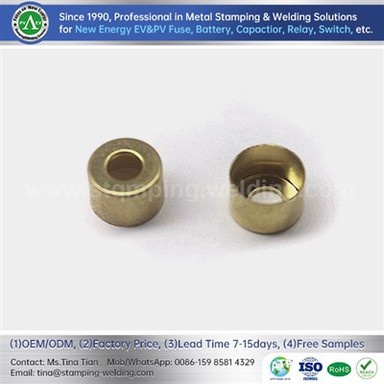
Brass Sheet Metal Stamping: Versatility And Precision in Manufacturing
Jun 04, 2025
Understanding Brass Sheet Metal Stamping
Brass sheet metal stamping is a manufacturing process that involves shaping and cutting brass sheets into specific parts using dies and presses. Brass, an alloy of copper and zinc, is chosen for its excellent malleability, corrosion resistance, and high electrical and thermal conductivity. This process is widely used in various industries to produce components that require precision, durability, and a high degree of detail.

Benefits of Brass Stamping
| Malleability | Brass is highly malleable, allowing it to be shaped into complex forms without cracking or breaking. |
| Corrosion Resistance | Brass is resistant to corrosion, making it suitable for use in environments where parts are exposed to moisture or chemicals. |
| Conductivity | Brass's high electrical and thermal conductivity makes it ideal for electrical components and heat exchangers. |
| Durability | Brass Stamping parts are durable and can withstand wear and tear, providing long-lasting performance. |
| Aesthetic Appeal: | Brass has a distinctive golden color that can enhance the visual appeal of components in decorative or visible applications. |
Applications of Sheet Metal Brass Stamping
Brass stamped parts are used in a variety of applications across different industries:
| Automotive Industry | Components such as electrical connectors, decorative trims, and heat exchangers are often made from brass. |
| Electronics | Brass is used in the manufacturing of electrical contacts, springs, and other components in electronic devices due to its conductivity. |
| Aerospace Industry | Brass parts are used in aircraft for applications that require high strength and corrosion resistance. |
| Building and Construction | Brass is used for architectural details, hardware, and decorative elements in buildings. |
| Marine Applications | Due to its corrosion resistance, brass is used in marine environments for components like fittings and hardware. |
Manufacturing Process of Sheet Metal Brass Stamping
The process of manufacturing brass stamped parts includes several key steps:
Material Selection: Choosing the appropriate brass alloy based on the specific requirements of the application.
Blanking: Cutting the brass sheet into the basic shape that will be further shaped and formed.
Punching: Adding holes or other features to the part using specialized punches.
Bending: Shaping the part into the desired form using dies that apply pressure to bend the material.
Forming: Pressing the part into a die to create more complex shapes and features.
Finishing: Trimming any excess material, refining edges, and applying surface treatments to enhance appearance and performance.
Quality Control: Inspecting the parts to ensure they meet the necessary specifications for dimensions, surface finish, and mechanical properties.

Maintenance and Inspection
To ensure the continued performance of Brass Stamping:
Visual Inspection: Regularly check for signs of wear, damage, or corrosion.
Cleaning: Keep the parts clean to prevent the buildup of debris that could affect their performance.
Lubrication: Apply lubrication where necessary to maintain smooth operation, particularly in moving parts.
Replacement: Replace any parts that show signs of fatigue or failure to maintain system reliability.
Conclusion
Brass sheet metal stamping is a versatile and precise manufacturing process that produces durable and high-quality components. The unique properties of brass make it an ideal material for a wide range of applications, from electrical contacts to decorative architectural elements. As technology advances and the demand for specialized components grows, brass stamped parts will continue to play a significant role in various industries.

contact us