Ceramic Electrical Insulators: A Cornerstone Of Safe Power Distribution Systems
Jul 22, 2025
Ceramic electrical insulators are critical components designed to separate and support conductive parts in power distribution systems while preventing unwanted electrical leakage. Crafted from refractory ceramic materials-primarily alumina, steatite, and porcelain-they excel in isolating high-voltage currents, ensuring energy flows only through intended pathways. In modern power grids, these insulators act as silent guardians: their ability to withstand extreme temperatures, mechanical stress, and environmental corrosion makes them indispensable for maintaining system integrity and public safety.

Core Properties Ensuring Safety
Ceramic electrical insulators deliver three safety-critical attributes:
1.Exceptional dielectric strength: Electrical insulators of ceramic material resist breakdown even under voltages exceeding 100kV, preventing short circuits between conductive elements.
2.Thermal resilience: Electrical insulators steatite ceramic operate reliably in temperatures ranging from -50°C to 300°C, unaffected by power surges or ambient heat.
3.Weather resistance: Alumina ceramic insulator for NH type fuses are impervious to moisture, UV radiation, and chemical pollutants, ensuring longevity in outdoor and industrial settings.
Product Structure
A typical ceramic electrical insulator comprises three key components:
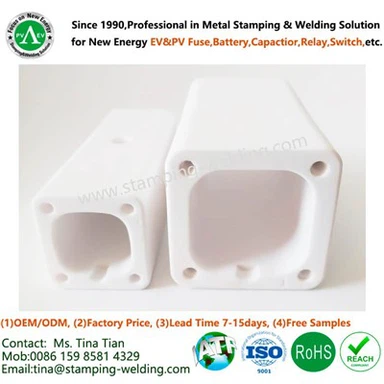
1.Ceramic core: The ceramic insulation body, molded into shapes like discs, tubes, or rods, engineered for maximum surface area to dissipate heat.
2.Metal fittings: Galvanized steel or aluminum end caps/brackets, securely bonded to the electrical insulators of ceramic material via high-temperature adhesives or mechanical crimping.
3.Glaze coating: A smooth, vitreous layer on the electrical insulators steatite ceramic surface that repels water, reduces dirt accumulation, and enhances electrical resistance.

Application Areas
1.Transmission lines: Ceramic insulation body supports overhead high-voltage cables, isolating them from utility poles and towers.
2.Substation equipment: Electrical insulators of ceramic material insulate transformers, circuit breakers, and busbars in grid control centers.
3.Industrial machinery: Electrical insulators steatite ceramic protect motors, generators, and high-power electrical systems in manufacturing plants.
4.Renewable energy setups: Alumina ceramic insulator for NH type fuses insulate wiring in solar farms and wind turbine power converters.
Our Company's Edge
1. Our ceramic electrical insulators, particularly the ceramic insulation body, benefit from our successful industry experience spanning 15+ years. We've supplied to 50+ global utilities, refining designs to meet diverse grid demands, ensuring reliable performance and seamless integration.
2.Leveraging successful industry experience, our electrical insulators of ceramic material meet strict international standards. This expertise, honed through numerous projects, minimizes installation issues and lowers maintenance costs for clients.
contact us