Continuous Upgrades in Laminated Busbar Technology: Low Inductance And High Power Density Drive Innovation in Power Distribution Structures
Oct 05, 2026
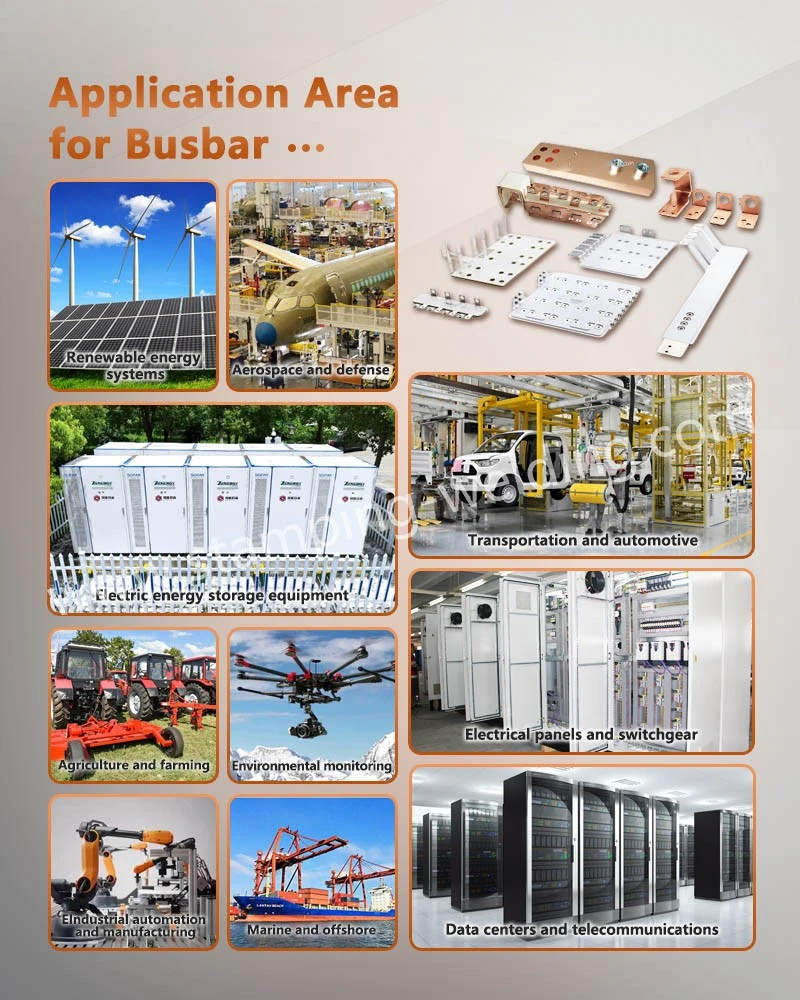
As sectors such as new energy vehicles, energy storage systems, industrial electric drives, data centers, and rail transit continue to evolve toward higher power density, miniaturization, and higher operating frequencies, traditional cables and single-layer busbars are facing new engineering challenges regarding space utilization, parasitic inductance, thermal management, and assembly efficiency. Against this backdrop, laminated busbars-characterized by a compact structure formed from alternating layers of conductors and insulating materials-have increasingly become vital components for power transmission and distribution in high-power electrical systems.
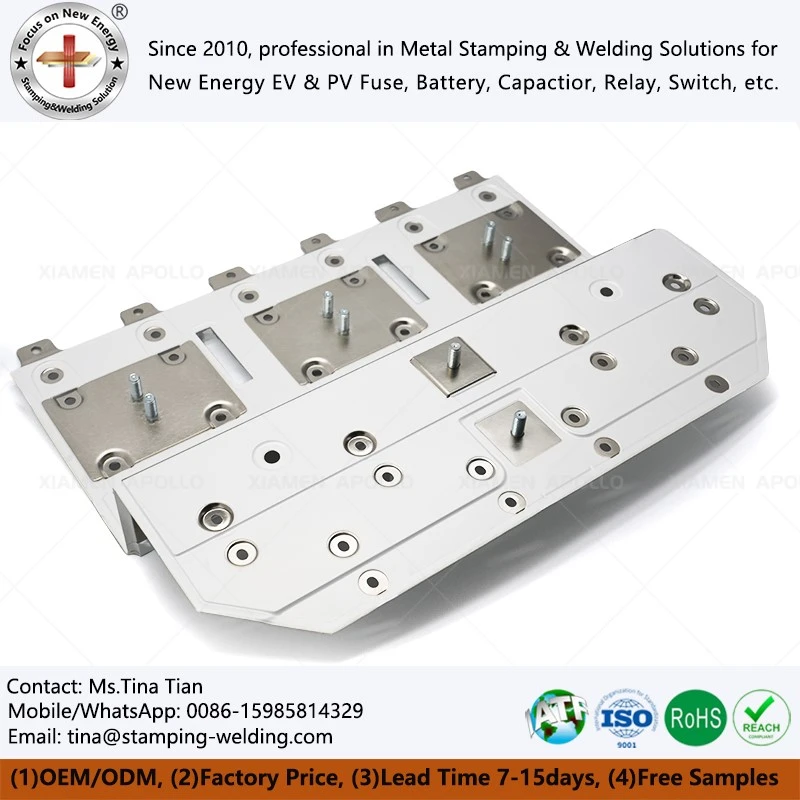
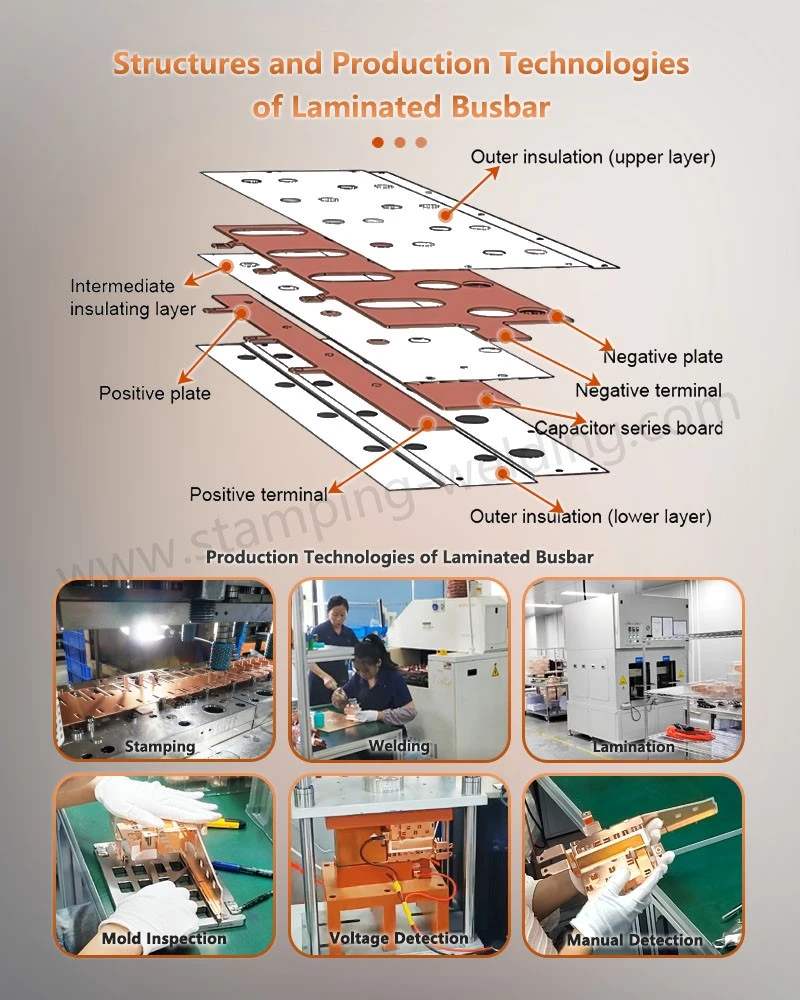
Structurally, laminated busbars typically consist of alternating layers of copper or aluminum busbars and insulating media, bonded into a unified structure through processes such as hot pressing, adhesive bonding, or lamination. Compared to traditional discrete wiring connections, their primary advantage lies in the ability to establish short, wide, and stable current paths within a limited space; this reduces loop parasitic parameters and improves the system's internal electromagnetic compatibility.
Structural Characteristics and Technical Fundamentals of Laminated Busbars
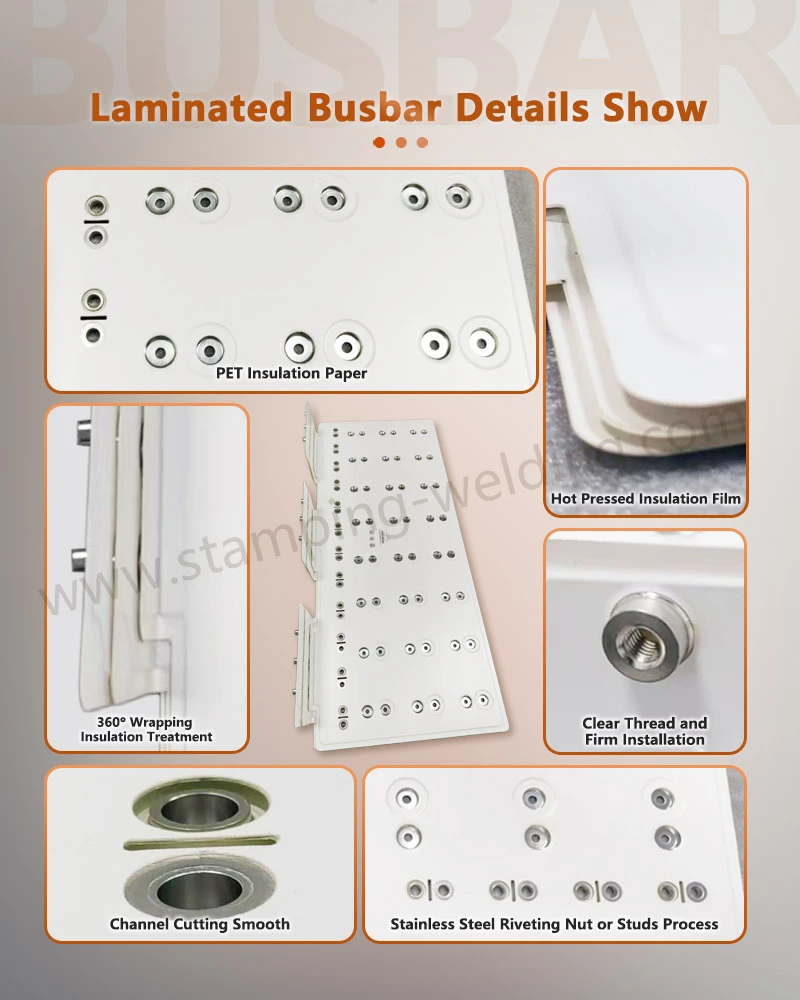
The core structure of a laminated busbar involves the alternating arrangement of conductive and insulating layers. Conductors are typically made of high-conductivity copper, though aluminum or copper-aluminum composite structures may be used depending on weight, cost, and application requirements. Insulating materials-such as polyimide, PET, or epoxy-based materials-are selected based on specific needs regarding operating voltage, temperature, mechanical strength, and durability.
This multi-layer structure integrates various current paths-such as positive, negative, and neutral lines-into a single spatial configuration, transforming previously dispersed electrical connections into interlayer connections with precise geometric relationships. For high-frequency switching power supplies and power conversion equipment, minimizing the distance between positive and negative current paths effectively reduces loop area and parasitic inductance.
In computers and high-performance computing equipment, power distribution demands high standards for space efficiency, thermal management, and current stability. Consequently, laminated structures are increasingly employed in high-density computing platforms-such as laminated busbars for supercomputer circuit boards or backplanes-to meet the need for low-impedance connections within compact power architectures.
Low-Inductance Design: A Key Technical Trend for Laminated Busbars
As the operating frequencies of power semiconductors-such as IGBTs and SiC MOSFETs-continue to rise, the rate of current change accelerates significantly; consequently, parasitic inductance within the connection structure exerts a more pronounced impact on switching transients. Rapid current fluctuations can induce additional transient voltages across the loop's parasitic inductance, thereby affecting the voltage stress on power devices, switching losses, and electromagnetic interference (EMI) levels.
Laminated busbars reduce effective loop inductance at the structural level by positioning conductor layers of opposite polarities in proximity, allowing the magnetic fields generated by forward and return currents to partially cancel each other out. Thus, low-inductance design has become a defining characteristic that distinguishes laminated busbars from standard copper bars and traditional cabling methods.
For systems requiring the centralized connection of multiple power modules, Power Distribution Unit (PDU) busbars must balance continuous current-carrying capacity, available connection space, insulation clearances, and the matching of current paths between modules. A laminated structure enables multi-channel power distribution within a compact footprint while eliminating the need for numerous discrete connectors.
Simultaneous Advancement in High Current-Carrying Capacity and Space Integration
Beyond minimizing inductance, laminated busbars must also handle substantial continuous operating currents. Factors such as conductor thickness, width, the number of layers, and material resistivity directly influence the busbar's current-carrying capacity and temperature rise.
In practical design, simply increasing the thickness of the copper layers does not yield an unlimited increase in current-carrying capacity; larger conductor dimensions entail increased weight, manufacturing complexity, and cost. Therefore, engineering designs typically require a balanced optimization of continuous current, peak current, duty cycle, permissible temperature rise, and installation space constraints.
In motor drive systems, high transient currents often flow between the inverter and the motor controller; consequently, motor controller busbars must satisfy requirements for low inductance, high current handling, and mechanical installation precision. An optimized interlayer structure shortens the electrical path between power modules, capacitors, and output terminals, thereby improving the layout of the entire power loop.
Another advantage of laminated busbars is superior space utilization. Unlike traditional cables, which require allowances for bending radii and mounting space, laminated busbars can be configured in 2D or 3D layouts that conform to the equipment's internal structure, resulting in a more compact power connection design. This feature is particularly critical for high-power-density equipment.
Insulation Structure Defines the Electrical Safety Boundaries of Busbars
As system operating voltages rise, the insulation design of laminated busbars becomes increasingly important. Beyond meeting basic dielectric strength requirements, the design must account for factors such as creepage distance, clearance, partial discharge, temperature fluctuations, material aging, and mechanical stress.
A thicker insulation layer is not necessarily better. While excessive insulation thickness can increase the insulation margin, it also widens the spacing between layers and expands the current loop area, thereby compromising low-inductance design goals. Consequently, laminated busbar design typically requires striking a balance between insulation performance and electromagnetic characteristics.
When equipment requires a high level of external safety protection, insulated busbars-utilizing insulation encapsulation or composite material structures-can minimize exposed conductor areas, thereby enhancing electrical safety during installation and maintenance. For multi-rail power systems, material selection and structural design must also align with the insulation ratings required between different voltage potentials.
Manufacturing Processes Influence Laminated Busbar Consistency
Laminated busbars are not merely stacks of copper bars; their production involves multiple stages, including conductor fabrication, surface treatment, insulation material lamination, positioning, bonding/pressing, terminal forming, and electrical performance testing.
First, the dimensions, hole locations, bend points, and connection ports of the conductor layers are determined based on electrical schematics and 3D structural designs. Next, the copper or aluminum bars undergo cutting, punching, and bending, with surface treatments selected according to the specific connection environment. For instance, in areas requiring high-reliability connections, treatments such as tin, nickel, or silver plating may be applied to optimize contact performance and oxidation resistance.
Lamination and bonding constitute a critical step in the manufacturing process. Precise alignment of conductor layers and insulation materials is essential to prevent misalignment, wrinkling, air bubbles, and localized stress concentrations. Lamination temperature, pressure, duration, and the cooling process all influence the dimensional stability and insulation reliability of the final product.
Following lamination, the product must undergo testing for parameters such as withstand voltage, insulation resistance, electrical continuity, inductance, dimensions, and temperature rise. For high-voltage or high-power applications, additional validation tests-such as partial discharge, thermal cycling, and mechanical reliability-should be conducted based on specific system requirements.
Data Center and Communication Equipment Driving High-Density Power Distribution
High-density computing and communication equipment place greater demands on internal power distribution architectures. Devices such as servers, switches, and communication base stations often operate within limited cabinet space while requiring support for multiple power inputs and high continuous power levels; consequently, power connection structures must satisfy the dual needs of compact layout and stable power delivery.
In data communication equipment, laminated busbars for power distribution backplanes enable centralized power distribution from inputs to downstream functional modules, while reducing the space consumption associated with traditional wiring harnesses.
For communication base station equipment, laminated busbars prioritize high-density power distribution, insulation safety, and long-term operational stability. Since communication equipment typically requires continuous operation, busbar temperature rise and connection reliability directly impact the overall stability of the system.
Similar structures can be applied to the power backplanes of routing equipment; for instance, laminated busbars for router backplane distribution allow for the centralized arrangement of multiple power branches, resulting in a clearer power path layout within the rack.
For large rack-mount equipment, laminated busbars for rack-mount power distribution can further reduce the cabling space required by traditional cables and provide a more organized connection method for modular power architectures.
Applications in UPS and Industrial Power Systems
Uninterruptible Power Supply (UPS) systems typically comprise multiple power stages-including rectification, energy storage, inversion, and output-involving high DC currents and rapid switching processes. Therefore, UPS system busbars must simultaneously meet requirements for high-current transmission, low impedance, insulation, and thermal management. Compared to traditional cabling, a laminated structure allows multiple electrical paths to maintain a relatively fixed geometric relationship within a limited space, thereby helping to reduce power loop lengths and parasitic parameters. In high-frequency inverters, this structure offers significant engineering value for controlling voltage overshoot and mitigating electromagnetic interference.
Industrial variable-frequency drive (VFD) equipment represents another typical application area. VFDs typically house rectifier units, DC buses, capacitors, and inverter modules, requiring electrical energy to pass through multiple power conversion stages. A well-designed laminated busbar can shorten critical commutation loops and facilitate a more compact power layout within the equipment.
New Demands for Busbars in Rail Transit and Mobile Equipment
Rail transit systems and industrial vehicles are subject to continuous vibration, temperature fluctuations, and high current surges during operation. Consequently, power connection components must not only meet electrical performance standards but also demonstrate robust mechanical reliability.
In rail transit traction systems, laminated busbars can be utilized for internal power connections within complex power conversion modules; their design requires a comprehensive assessment of factors such as current-carrying capacity, insulation, mechanical vibration, and thermal cycling.
For locomotives and rail vehicles, the dimensions and mounting configurations of power busbars must be tailored to the vehicle's spatial constraints and the structure of the traction system. Unlike traditional cables, the planar and modular nature of laminated busbars allows for easier customization to fit the equipment's internal space.
Industrial vehicles face similar requirements. Equipment such as forklifts demands high instantaneous power while operating under strict limitations regarding installation space and weight. Consequently, laminated busbars for these vehicles can be structurally designed for specific DC and AC circuits to meet the connection needs of diverse powertrain systems.
Miniaturized Applications in Telecommunications and Stage Equipment
As telecommunications, power supply, and control equipment evolve toward modular designs, the application of laminated busbars has expanded from large-scale industrial power systems to more compact equipment.
In the field of telecommunications power distribution, laminated busbars utilize a multi-layer conductor structure to enable centralized power distribution across multiple branches, thereby reducing the complex wiring associated with traditional cable harnesses inside equipment cabinets. Certain portable electronic devices and professional equipment also require compact internal power connection structures. The use of laminated busbars in such space-constrained devices-exemplified by applications like stage lighting systems-highlights the potential of laminated conductor structures; design priorities typically center on dimensional control, connection reliability, and modular assembly.
Medical imaging equipment imposes stringent requirements regarding electrical safety, low noise levels, and long-term operational stability. When laminated busbars are employed in these devices, factors such as high-voltage insulation, electromagnetic compatibility (EMC), mechanical structure, and ease of maintenance must be comprehensively addressed.
Advancements in Materials and Manufacturing Processes
Future technological upgrades for laminated busbars will primarily focus on materials, structural design, manufacturing precision, and intelligent integration.
Regarding materials, high-conductivity copper remains the mainstream choice, though there is significant potential for the further adoption of copper-aluminum composites and lightweight conductors. For weight-sensitive mobile devices, reducing conductor density can lower the overall system weight; for high-frequency, high-power equipment, greater attention must be paid to material resistivity and high-frequency losses.
In terms of insulation materials, as operating voltages and ambient temperatures rise, traditional materials must evolve to offer higher temperature ratings, superior dielectric strength, and more stable long-term insulation performance. Material selection impacts not only voltage withstand capabilities but also inter-layer spacing, heat dissipation efficiency, and product lifespan.
Manufacturing processes will increasingly shift toward automation, digitalization, and precision. Technologies such as 3D design, automated positioning, precision lamination, and in-line inspection can enhance the consistency of multi-layer structures and minimize dimensional deviations caused by manual assembly.
Simultaneously, functional components-such as temperature sensors and current-sensing elements-may be structurally integrated directly into the busbar, transforming it from a simple power interconnection component into a functional electrical assembly capable of system status monitoring.
Industry Trends for Laminated Busbars
From the perspective of application requirements, the development of laminated busbars is closely linked to the evolution of power electronics equipment. As industries such as new energy vehicles, energy storage, industrial automation, data centers, telecommunications infrastructure, and rail transit continuously push for higher power densities, the power transmission structures within their equipment face increasingly stringent requirements regarding space and performance.
In particular, the adoption of wide-bandgap semiconductors like SiC and GaN enables power devices to switch rapidly at higher frequencies, thereby heightening system sensitivity to parasitic inductance, EMI, and thermal management. Consequently, busbar structures have evolved from simple current-carrying paths into critical components that significantly influence power loop performance.
Future designs for laminated busbars will place greater emphasis on the synergistic optimization of electrical, mechanical, and thermal management aspects. By shortening current paths, precisely controlling interlayer spacing, optimizing conductor cross-sections, improving heat dissipation paths, and enhancing insulation material properties, it is possible to meet the demands for low loss and high reliability in high-power-density systems.
Overall, laminated busbars are evolving from conventional power connection components into highly integrated, functional power transmission assemblies characterized by low parasitic parameters; their scope of application is set to expand further alongside industrial upgrades in sectors such as new energy, power electronics, telecommunications, and intelligent manufacturing.
When selecting laminated busbars, engineering procurement teams should consider practical parameters-such as rated current, operating voltage, insulation class, permissible temperature rise, parasitic inductance, installation space, and connection methods-and collaborate with suppliers to finalize structural designs and verification requirements.
contact us