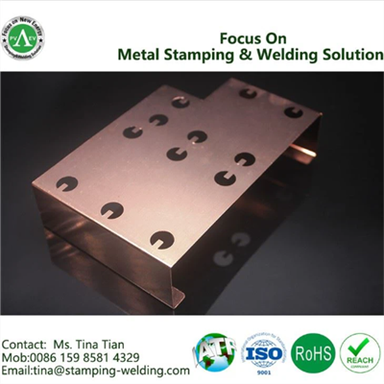
Copper Metal End Cap: Engineered To Combat Ant-Nest Corrosion in Heat Exchangers
Aug 18, 2025
Introducing our Copper Metal End Cap – engineered to counteract ant-nest corrosion, a key issue in heat exchangers as highlighted in recent studies. Crafted with a specialized alloy blend, it resists the damaging effects of ethylene glycol additives and moisture, preventing microscopic tunnel formation that leads to leaks. Designed for durability in HVAC systems, this end cap safeguards copper components, extending heat exchanger lifespan with reliable, targeted protection.

industry dynamics
In the realm of HVAC systems, heat exchangers are the workhorses of temperature regulation, relying heavily on copper components for their exceptional thermal conductivity. However, a persistent challenge has plagued these systems: unexpected failures in copper pipes due to a insidious form of corrosion known as ant-nest corrosion. A recent study published in Revista de Metalurgia sheds critical light on this issue, identifying ethylene glycol additives in mains water as a key culprit behind the microscopic, tunnel-like corrosion that leads to leaks-even in pipes with 99.95% copper purity.
Against this backdrop, the newly developed Copper Pipe End Stop emerges as a targeted solution, engineered to mitigate the risks of ant-nest corrosion in heat exchanger assemblies.
Ant-nest corrosion, as detailed in the study, manifests through interconnected microscopic tunnels that propagate through copper walls, often invisible to the naked eye until leaks occur. The research highlights that organic acids, formed by the breakdown of ethylene glycol in water, drive this corrosion by reacting with copper surfaces, especially in warm, oxygen-rich environments typical of heat exchangers. Traditional copper components, while pure, offer limited defense against these chemical interactions over time.
The Copper Tube Cap addresses this vulnerability through a precision-engineered material composition. Unlike standard copper parts, it incorporates trace amounts of corrosion-inhibiting elements-carefully selected to disrupt the formation of corrosive tunnels. These additives, tested under conditions simulating ethylene glycol-laden water, slow the chemical reactions that produce the damaging organic acids, thereby reducing the likelihood of tunnel propagation. Additionally, the end cap's surface is treated to minimize moisture retention, a critical factor in ant-nest corrosion initiation, as identified in the study.
"Ant-nest corrosion thrives in environments where moisture, oxygen, and organic acids converge," notes a materials engineer involved in the end cap's development. "Our design targets all three: the modified alloy resists acid attack, and the surface treatment limits water trapping-directly countering the mechanisms outlined in the research."
This focus on combating ant-nest corrosion makes the Copper Cap an essential component for heat exchanger durability, particularly in systems using ethylene glycol-based coolants. By preventing the early-stage tunnel formation that leads to costly leaks, it extends the service life of heat exchangers, reducing maintenance and replacement costs.
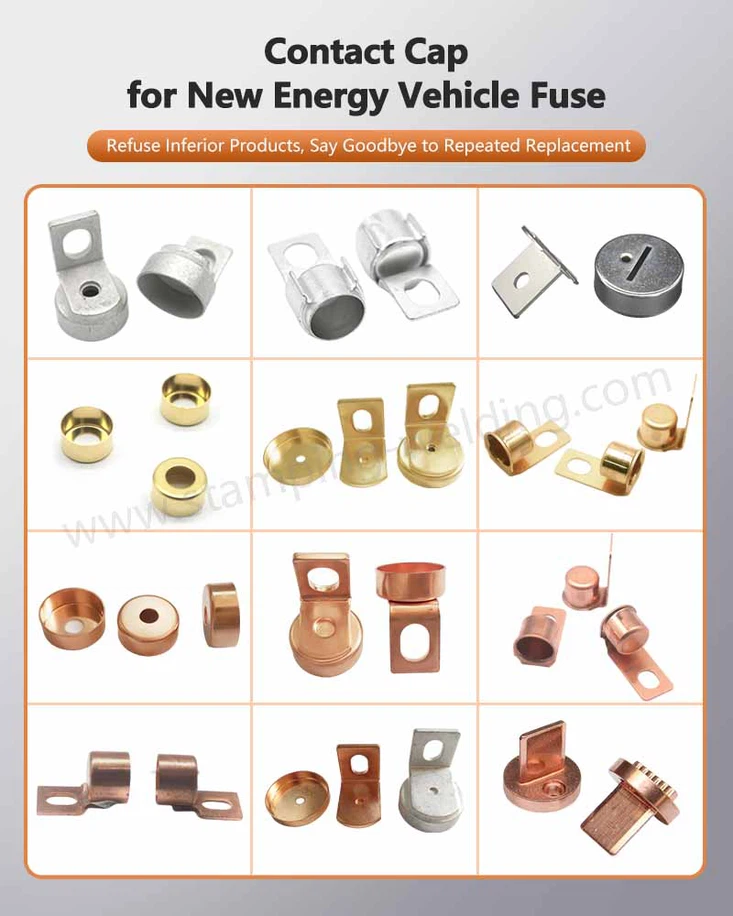
Type Summary
| Copper Pipe End Cap | Designed for sealing straight copper pipes in plumbing systems. |
| Copper Tube Cap | Suitable for smaller-diameter copper tubes in HVAC equipment. |
| Flanged type | Features internal/external threads for secure connection. |
| Threaded type | Equipped with flanges for welding or bolted fixation. |
Value Proposition
Premium-grade materials and advanced manufacturing processes justify the investment in long-term reliability. Although our Outer End Caps may have a higher initial cost compared to some low-quality alternatives, the use of high-purity copper and advanced manufacturing techniques ensures that they have a much longer service life and better performance, ultimately providing better value for money.
Lower total cost of ownership due to minimized maintenance requirements and extended service intervals. Because our Copper Cap Fittings are highly durable and resistant to corrosion and wear, they require less frequent maintenance and replacement, reducing the associated labor and material costs over the product's lifespan.
Superior performance compared to low-cost alternatives, particularly in corrosion resistance and structural stability. Tests have shown that our Copper End Caps outperform low-cost alternatives in terms of corrosion resistance, withstanding exposure to harsh chemicals and environmental conditions for longer periods. They also have better structural stability, maintaining their shape and functionality under high pressure and temperature conditions.
Long-term reliability ensures optimal cost-effectiveness over the entire product lifespan, outperforming budget options. While budget Copper Stop Ends may seem cheaper initially, they often fail prematurely, leading to costly repairs, downtime, and replacement. Our end caps, on the other hand, provide reliable performance for many years, ensuring that the total cost of ownership is lower in the long run.
relevant product
This focus on combating ant-nest corrosion makes the Copper Metal End Cap an essential component for heat exchanger durability, particularly in systems using ethylene glycol-based coolants. By preventing the early-stage tunnel formation that leads to costly leaks, it extends the service life of heat exchangers, reducing maintenance and replacement costs.
For those seeking comprehensive protection, our Custom Copper Caps lineup includes complementary components-from corrosion-resistant gaskets to ethylene glycol-stable connectors-all designed to work in tandem with the Copper End Cap. Together, they form a holistic defense against the corrosion challenges highlighted in recent research, ensuring heat exchangers perform reliably even in harsh chemical environments.
In an industry where unplanned downtime can have significant operational impacts, the Fuse Copper stands out not just as a part, but as a proactive safeguard-backed by insights into the very corrosion mechanisms that have long plagued copper systems.

contact us