Heat Shrink Tubing BusBar Technology Selection Guide: Characteristics And Applications Of Core Insulation And Protection Components
Feb 10, 2026
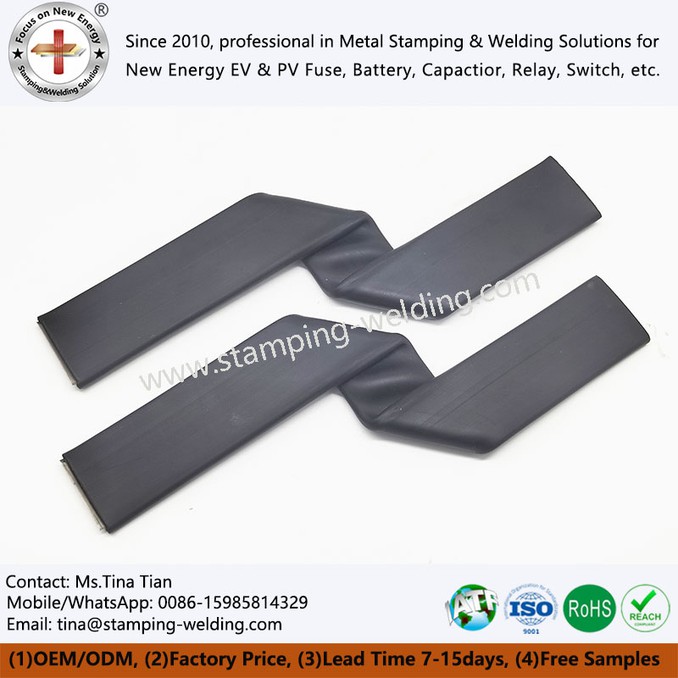
In the safe operation of power equipment such as substations and high- and low-voltage switchgear, busbar insulation protection is a crucial aspect of technology selection, directly determining the stability and safety of the power system. Heat Shrink Tubing BusBar, also known as heat-shrinkable bar tubing, are core insulation protection components specifically designed for exposed copper/aluminum bars. Their selection rationality and performance compatibility are key concerns for engineering technicians. This product uses a special polyolefin material as its base material and, thanks to its heat-shrinkable core characteristic, can tightly wrap the bar surface, achieving multiple protections including insulation, corrosion resistance, short-circuit protection (including protection against rodent and snake bites and debris bridging), and sealing. Voltage levels cover mainstream specifications such as 1kV, 10kV, and 35kV, adapting to the selection needs of different power scenarios, making it an important component of the power equipment insulation protection system.
Key selection criteria: material, performance, and specification compatibility
- Material Selection: Mainstream heat-shrinkable tube bars are made of special polyolefin materials. Among them, the Heat Shrink Tube Polyolefin Busbar, due to the excellent properties of the polyolefin substrate, has become the preferred choice for most power applications. Its insulation performance and weather resistance meet the protection requirements of conventional switchgear and substations. In some applications, depending on the protection level, the PE Heat Shrink Tube Insulated Busbar can be selected to further improve insulation reliability.
- Performance Selection: The PVC Insulation Busbar possesses core characteristics such as strong insulation, flame retardancy, chemical corrosion resistance (resistant to acid, alkali, salt, and other media erosion), and good weather resistance. When selecting, it is necessary to consider the degree of corrosion and temperature range of the operating environment to match the corresponding weather resistance and corrosion resistance levels, avoiding insulation failure due to performance mismatch.
- Specification Selection: Specification selection must follow the power system phase sequence marking specifications. The Busbar Sleeves Insulation colors are conventionally red, yellow, and green, which can directly adapt to phase sequence differentiation requirements without additional marking, simplifying the selection and installation process.

Selection Extension: Installation and Scene Adaptation Requirements
Installation adaptability and scenario adaptability are another core consideration in the selection of heat shrink tubing bar technology, directly impacting engineering construction efficiency and equipment operational safety. In terms of installation characteristics, heat shrink tubing bars, thanks to their heat-shrinkable properties, are easy and quick to install, requiring no complex construction equipment. They are particularly suitable for compact switchgear with limited space and the need to reduce phase-to-phase distances, effectively optimizing the internal layout of the equipment and reducing installation costs. This characteristic also gives them a significant advantage in insulation retrofitting of older equipment. Regarding scenario adaptability, their core application is the insulation protection of exposed copper/aluminum bars in substations and high- and low-voltage switchgear. Busbar Sleeves Insulation, as the core form of bar insulation protection, can effectively eliminate discharge hazards caused by pollution and snow cover, ensuring safe and stable equipment operation. In some special power scenarios, Customized Bar Insulating Tubes can be customized according to bar size and installation space, solving the selection challenges of non-standard busbar specifications and improving protection adaptability.

Selection Tips: Functional Value and Key Considerations
During the technology selection process, it is also necessary to clarify the core functional value and selection considerations of heat shrink busbars to avoid safety risks and maintenance costs caused by selection deviations. Its core function is to improve the insulation level of the bar, effectively preventing accidental phase-to-phase short circuits. Simultaneously, through sealing and corrosion protection, it extends the service life of the bar and reduces equipment maintenance frequency, which is the key reason why it has become the preferred component for insulation protection in power systems. Regarding selection considerations, it is essential to strictly match the voltage level of the application scenario. Specifications such as 1kV, 10kV, and 35kV must accurately correspond to the power system voltage to avoid insulation breakdown due to voltage mismatch. At the same time, it is necessary to combine the busbar material (copper/aluminum) and surface condition to select a suitable heat shrink tubing model, ensuring a tight fit to the bar after shrinking, without bubbles or wrinkles, guaranteeing the integrity of insulation protection. Furthermore, for harsh environments with humid or corrosive media, Insulated Copper Bus bar with Heat Shrink Tube, which offers superior insulation performance, can be prioritized to further enhance the protective effect and meet the long-term operating requirements of complex conditions.

Industry Trends: A Outlook for More Refined Product Selection and Technological Upgrades
As power equipment upgrades towards compactness and efficiency, the selection requirements for bars are becoming increasingly refined. Their multiple protective features and convenient installation advantages have led to their widespread application in substations, high and low voltage switchgear, and other scenarios. As a core component of power insulation protection, the technical selection of heat shrink bars must be based on scenario requirements, focusing on four core dimensions: material, performance, specifications, and installation compatibility. Combining the product type corresponding to the keywords, precise matching with the application scenario is crucial to fully leverage their core functions of insulation, corrosion resistance, and short-circuit protection. In the future, with upgrades in materials and processes, the weather resistance and insulation reliability of Heat Shrink Tubing BusBar will be further improved, providing more suitable solutions for power system insulation protection selection and contributing to the safe, stable, and efficient operation of power equipment.
Contact Us
If you have any questions or needs regarding Heat Shrink Tubing BusBar technology selection, material compatibility, or specification customization, please feel free to contact us for professional selection guidance and compatibility solutions.