Plastic-impregnated Copper Busbars Enable A New Insulation Technology For High-current Power Equipment.
Jan 21, 2026
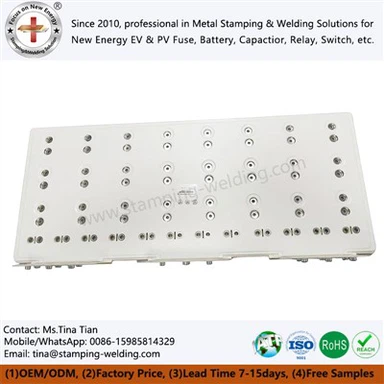
Against the backdrop of rapid development in new energy and power electronics technologies, a conductor solution called Plastic Dipping Copper Busbar is attracting widespread attention in the industry. This technology involves immersing a high-purity electrolytic copper bar entirely in a liquid polymer (such as polyvinyl chloride), which, after curing, forms a continuous, dense, and strongly adhesive insulation layer, thereby achieving excellent electrical isolation and environmental protection performance.

Process Principle
- Substrate Impregnation: The copper busbar is immersed in a liquid polymer (commonly PVC), allowing the plastic to fully penetrate and evenly coat the copper bar surface, laying the foundation for subsequent insulation molding.
- Curing and Molding: The impregnated copper busbar is cured, causing the surface plastic to form a robust, integrated insulation layer, solidifying the product's insulation protection.
- Dual Protection: The cured insulation layer provides reliable busbar insulation while simultaneously offering moisture-proof and corrosion-resistant protection for the copper bar, extending the product's service life.

Types and Scenarios
Currently, Plastic Dipping Copper Busbar are widely used in high-reliability, high-current insulation applications such as electric vehicles and energy storage systems, and are an important component of modern high-current power equipment. Common flexible connection methods include flexible connections, flexible braided copper strips, and flexible laminated copper strips. All of these connection methods can be made into impregnated conductors suitable for connection through plastic impregnation insulation. In practical applications, these plastic-impregnated flexible products are usually used in conjunction with busbar supports, solving the problem of inconvenient installation of rigid copper strips, ensuring reliable insulation and safety, and expanding application scenarios. Industry experts point out that the application of plastic-impregnated flexible products optimizes insulation processes, promotes the efficiency improvement of power transmission equipment, and, combined with flexible connections, has broader application prospects in the fields of new energy and high-end power.

Industry Trends
New Energy Drives Growth in Demand for Insulated Busbars:With the rapid expansion of the electric vehicle and energy storage markets, the demand for highly safe and integrated conductive components has surged. Products such as the Insulated Flexible Copper Bar for Power Battery Pack are becoming key connection solutions in battery systems, driving the widespread application of plastic-dipping copper busbars in high-current scenarios.
Equipment Miniaturization Fosters Integrated Insulation Solutions:Industrial power distribution and power equipment continues to evolve towards compactness, making traditional insulation methods insufficient for complex layouts. Products using PVC impregnation processes achieve seamless encapsulation, balancing electrical safety and installation efficiency within limited spaces, making them the preferred choice for next-generation switchgear and converters.
Manufacturing Flexibility Enhances the Competitiveness of Customized Products:Customer demands for non-standard structures and rapid delivery are increasing, gradually replacing high-cost mold-making insulation processes. Products such as the Plastic Dipping Electric Copper Busbar Custom Made, with their advantages of mold-free design and small-batch customization, are rapidly penetrating the high-end engineering application market.

Summary
Plastic Dipping Copper Busbar work by immersing copper bars in a liquid polymer and then curing it to form a dense insulating protective layer, achieving both electrical insulation and physical protection. The impregnation process consists of three steps: substrate impregnation, curing, and double protection. The process is simple and controllable, and compared to traditional insulation methods, it efficiently solves the complex insulation challenges of copper busbars, offering a significant cost advantage. This product is suitable for high-current insulation applications and is widely used in electric vehicles, energy storage systems, and other fields. When used with flexible connections, it can better adapt to complex installation requirements and improve operational safety, showing broad application prospects in the new energy and high-end electrical fields.
contact us