Stainless Metal Stamping: High-strength Core Components in Precision Manufacturing
Feb 23, 2026
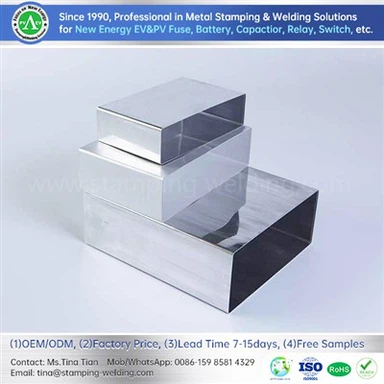
As a key basic component in the field of precision manufacturing, Stainless Metal Stamping use 304, 316 and other stainless steel plates and strips as raw materials. External force is applied through presses and molds to deform or separate them, and finally they are made into industrial products with specific shapes, sizes and high strength. Relying on the advantages of stainless steel stamped technology, it has become an important supporting component for the high-quality development of many industries. Among them, 304 stainless steel stamped products have become one of the most widely used categories in the industry due to their combination of cost performance and applicability.

Material advantages
The core competitiveness of stainless steel stamped parts stems from the superior properties of stainless steel, with common grades such as 304 and 316 as the core, offering advantages in corrosion resistance, high strength, and high toughness. Compared to ordinary steel, it can resist various types of corrosion without complex protection, extending the service life of Stainless Steel Stamped Parts and reducing maintenance costs; its high strength and rigidity can withstand heavy loads, and its outstanding toughness makes it easy to be precisely formed through the stainless steel stamping process, while also being environmentally friendly and recyclable. Furthermore, the wide variety of stainless steel products allows for the combination of galvanizing processes to create Stainless Steel Zinc Plating Drawing Stamping Parts for enhanced protection, comprehensively meeting the diverse needs of various industries.

Application areas
- Automotive Manufacturing Sector
These products are widely used in vehicle body structural components, chassis parts, engine components, etc. Core components such as body beams and door anti-collision beams utilize these products, relying on their high strength and rigidity to ensure the safety and reliability of vehicles during operation. OEM stainless steel stamping parts can also be precisely adapted to the customized needs of the automotive industry.
- Machinery Manufacturing Sector
These OEM stainless steel stamping parts are used to manufacture machine tool beds, gears, shafts, etc. The stainless steel material gives the products excellent high strength and wear resistance, stably meeting the requirements of high-speed, heavy-load, and high-wear operating conditions of mechanical equipment, providing support for the long-term stable operation of various mechanical equipment.
- Electronic Equipment Sector
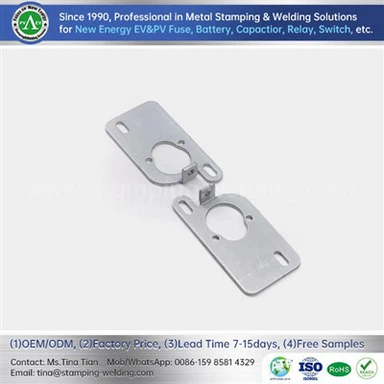
These products are commonly found in metal casings, internal supports, shielding covers, and other components. Industry Custom Small Stainless Steel Sheet Metal Stamping Parts are adapted to the refined design of small electronic devices. Their good machining accuracy and electromagnetic shielding performance can balance the requirements of a thin and light appearance and resistance to electromagnetic interference in electronic products.
- Construction Industry
The Stainless Steel Zinc Plating Drawing Stamping Parts are used in building structural components, door and window frames, decorative parts, etc. Relying on the high strength and durability of stainless steel, they effectively improve the strength and stability of building structures while taking into account aesthetics, thus contributing to the upgrading of building quality and meeting the long-term use needs of various building scenarios.

Precautions for use
- Precise Selection to Meet Operating Requirements
It is essential to select the appropriate type and specifications of stainless steel stamping parts based on the product's operating environment, stress conditions, and design requirements. Improper selection can lead to product quality issues, ensuring that all performance indicators perfectly match the actual application conditions.
- Effective Corrosion Protection to Extend Service Life
Steel is susceptible to corrosion in humid, acidic, and alkaline environments. Corrosion-resistant stainless steel should be selected, or surface treatments such as galvanizing should be used to enhance protection. Stainless Steel Zinc Plating Drawing Stamping Parts are a typical example of such protective products, effectively preventing corrosion damage.
- Strict Process Control to Guarantee Product Performance
Heat treatment is a crucial means of improving product performance. During processing, it is necessary to strictly control process parameters such as heating temperature and holding time to avoid improper processes that could degrade the steel's properties, ensuring that the strength, toughness, and other indicators of the stainless steel stamping parts meet the required standards.
- Stress Relief and Improved Dimensional Stability
Stamping processes generate internal stresses in the product, which can easily lead to deformation and cracking. Post-processing stress-relief annealing can be performed as needed to effectively eliminate these stresses and improve the dimensional stability and service life of stainless steel stamped parts.
- Regular Maintenance and Prevention of Potential Hazards
For products used long-term, regular inspections are necessary to check for wear, deformation, corrosion, and other problems. Timely repair or replacement is crucial. Simultaneously, proper cleaning and protection are essential to reduce environmental damage and ensure long-term stable performance.

summary
As the manufacturing industry upgrades towards precision, customization, and efficiency, the market's demands for the quality and adaptability of Stainless Metal Stamping continue to rise. The demand for customized products such as Factory Custom Stainless Steel Stamped and OEM Custom Stainless Steel Sheet Metal Stamping Parts is increasing, and the stainless steel stamped process is constantly iterating and optimizing, driving products towards higher precision, better performance, and more product categories. In the future, stainless steel stamped parts will continue to leverage their material and process advantages to further expand application scenarios and adapt to the upgrading needs of multiple industries. At the same time, the improvement of the OEM Stainless Steel Stamped model will inject new vitality into the industry's development and contribute to the high-quality development of the precision manufacturing field.
Contact Us
In practical engineering applications, the technical principles of Stainless Metal Stamping described above ultimately need to be implemented through specific product design. Different combinations of structures and materials will directly affect the long-term stability of the system.