Structure, Industrial Chain, And Market Size Of Laminated Busbar Industry
Mar 20, 2026
In recent years, with the rapid development of new energy, power electronics, and intelligent manufacturing industries, laminated busbars, as crucial connection components for efficient power transmission and system integration, are becoming key parts in the structural design of power electronic equipment. The industry generally believes that the laminated busbar industry is in a stage of continuous demand growth and technological upgrading. In new energy vehicles, power electronics, and new energy systems, laminated busbars, with their advantages of low inductance, high reliability, and compact structure, are gradually replacing traditional wire harnesses and copper busbar connection solutions, becoming an important component of high-power-density electrical systems.
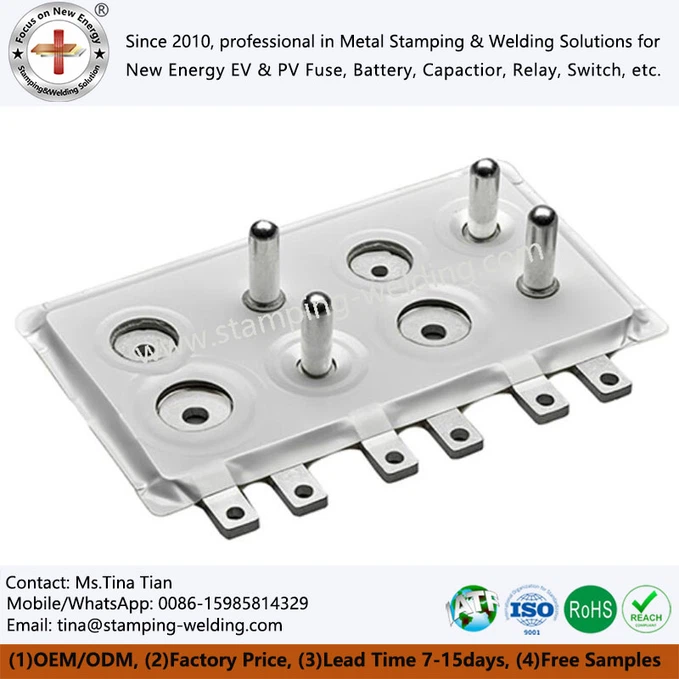
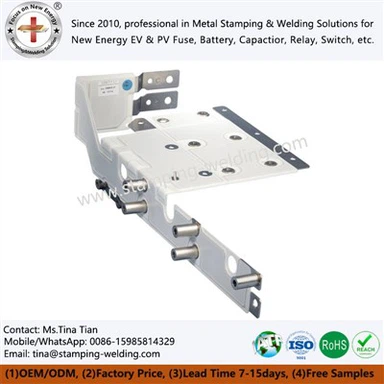
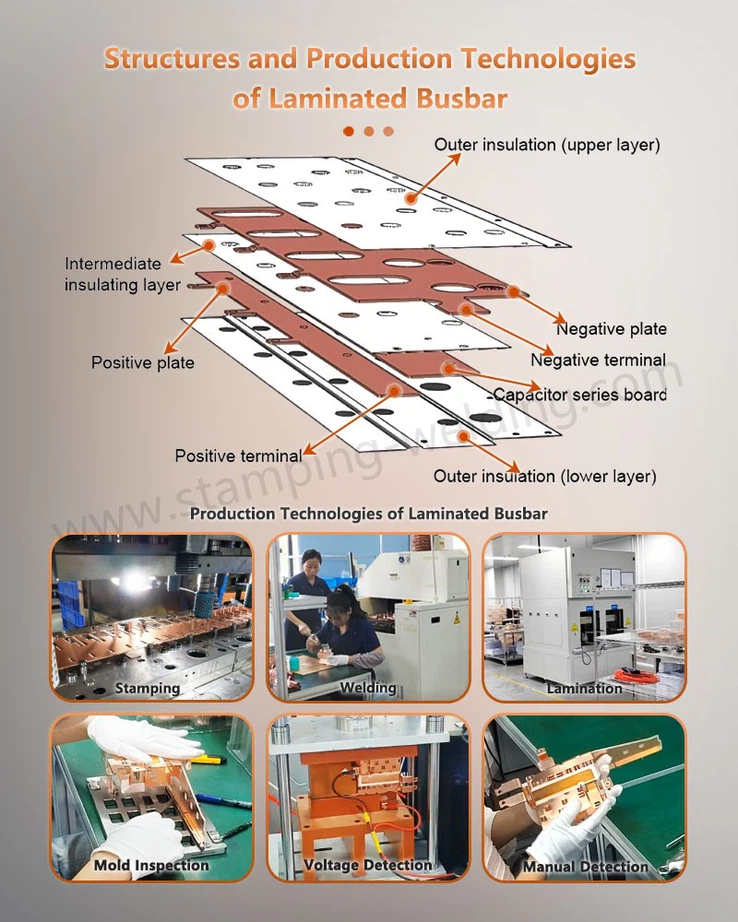
From a technical structural perspective, a laminated busbar is a multi-layered composite electrical connection device, typically formed by alternating layers of conductive and insulating materials. The conductive material is generally copper or aluminum, while the insulating layer often uses high-performance insulating materials such as PET, epoxy resin, polyester, or aramid. Through a thermoforming process, a stable, compact electrical connection system with low parasitic inductance can be formed. In high-power power electronic equipment, laminated busbars can effectively reduce electromagnetic interference, improve system stability, and achieve higher integration in space-constrained equipment structures.
From an industry chain perspective, the upstream of the laminated busbar industry mainly involves conductive materials such as copper and aluminum, as well as key raw materials such as PET, epoxy resin, and composite insulation materials. It also includes manufacturing equipment such as hot pressing equipment, stamping equipment, welding equipment, and precision molds. The midstream involves the design and manufacturing of laminated busbar products, including structural design, insulation lamination, precision stamping, and terminal processing. Downstream applications are mainly concentrated in high-power electronic systems such as new energy vehicles, power storage, photovoltaic inverters, industrial automation, and data centers. In high-frequency inverter systems, laminated busbars for high-frequency inverters can improve system power density and electrical efficiency by reducing parasitic inductance and resistance losses.
From an industry development environment perspective, the laminated busbar industry is affected by both supply and demand factors.
On the supply side, copper resources, as a core conductive material, are facing increasing supply pressure due to declining global ore grades and lagging investment in new mining. Simultaneously, the global green energy transition and the rise of the artificial intelligence industry are continuously expanding the demand for conductive materials such as copper. In fields such as new energy vehicles, wind and solar power, and data center infrastructure, the increasing demand for high-performance connection solutions in high-power electrical systems has led to the growing importance of Laminated Busbar Power Solutions in energy conversion and power management systems.
The rapid growth of the new energy vehicle industry is a significant driver of the expanding demand for laminated busbars. Stable and reliable electrical connection structures are required between the electric drive inverter, battery management system, and power modules in electric vehicle powertrain systems. Laminated busbars are commonly used in "three-electric systems" (battery, motor, and electronic control system) to connect battery packs, capacitors, and IGBT modules. Their low-inductance structure significantly improves system switching efficiency and reduces energy loss. In hybrid vehicles and electric drive systems, Two-Layer Laminated Busbars for Hybrid Vehicles Applications have become a typical electrical connection solution.
Laminated busbars also play a crucial role in the field of new energy power generation. As the power levels of photovoltaic inverters and wind power converters continue to increase, traditional conductor connection methods are no longer sufficient to meet the technical requirements of high frequency, high current, and high stability. Through multi-layer conductor structure design, laminated busbars can effectively optimize current distribution and reduce electromagnetic interference. In photovoltaic systems, multilayered laminated bus bars are widely used for connecting power modules within inverters, while in wind power systems, laminated bus bars for windmill inverter IGBT I/O are commonly used for high-reliability electrical connections between power devices.
From a market size perspective, the laminated bus bar industry has maintained steady growth in recent years. With the continued expansion of new energy vehicles, energy storage, and new energy power generation industries, the market demand for laminated bus bars has increased accordingly. Data shows that in 2024, the market size of China's laminated bus bar industry reached approximately RMB 16.724 billion, a year-on-year increase of approximately 7.31%. As high-power electronic devices develop towards higher frequencies and higher densities, the value of laminated bus bars in system structure optimization and electrical performance improvement is further highlighted. Products such as the Laminated Bus Bar for Public Transportation Alternate Energy, developed for public transportation electrical systems, are also gradually being applied in the new energy transportation field.
Looking at future development trends, the laminated bus bar industry will continue to upgrade towards high-performance material applications, multilayer structure design, and high-temperature environment adaptability. With the widespread adoption of silicon carbide power devices and high-frequency inverter technology, the operating temperature and power density of high-power electronic devices are continuously increasing, placing higher demands on the heat resistance and structural reliability of connection components. Against this backdrop, Laminated Bus Bars for High-Temperature Applications, suitable for complex operating environments, are gradually becoming an important direction for industry research and development.
Overall, driven by the continued development of new energy, electric vehicles, energy storage systems, and industrial automation, the laminated bus bar industry will maintain a long-term growth trend. As power electronic devices develop towards higher efficiency, miniaturization, and higher reliability, the technological innovation and application scenarios of laminated bus bars, as key electrical connection components, will continue to expand.
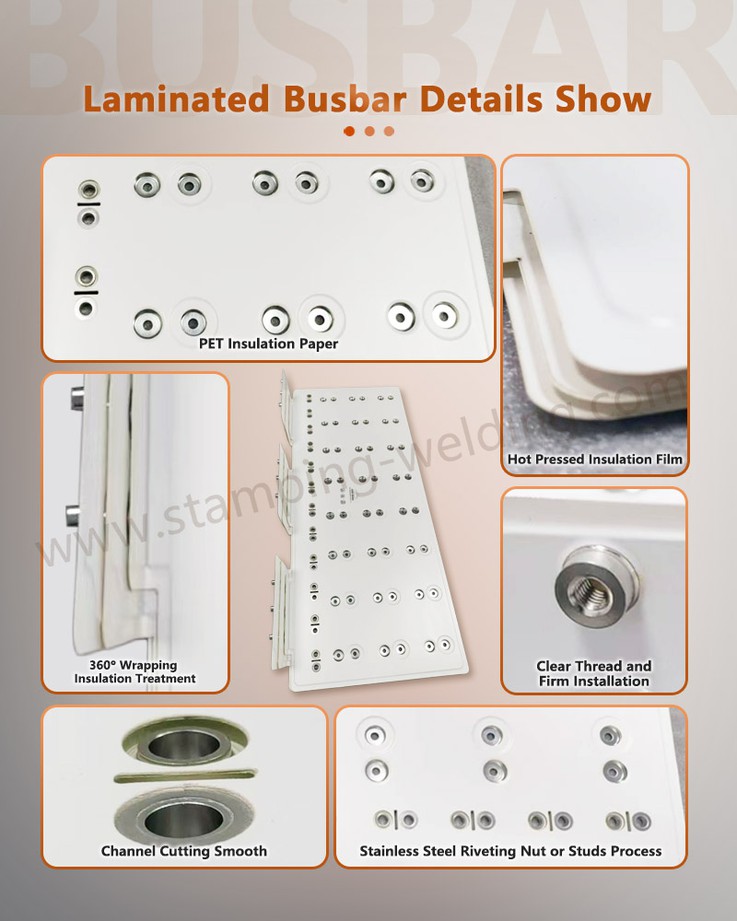
As an important component of power electronic connection solutions, the role of laminated bus bars in new energy systems is constantly increasing. If you are looking for reliable laminated bus bar product solutions, our company focuses on the research and development and manufacturing of high-performance electrical connection components, offering a variety of specifications of Laminated Inverter Busbars and Laminated Busbar Connectors, suitable for applications such as new energy vehicle inverters, photovoltaic energy storage systems, and industrial power equipment, helping customers achieve more stable and efficient power connection solutions.
contact us