Technological Development Trends in Structural Components For New Energy Vehicle Power Batteries: Aluminum-Casing Components Enhance Battery Safety And Lightweighting
Oct 12, 2026
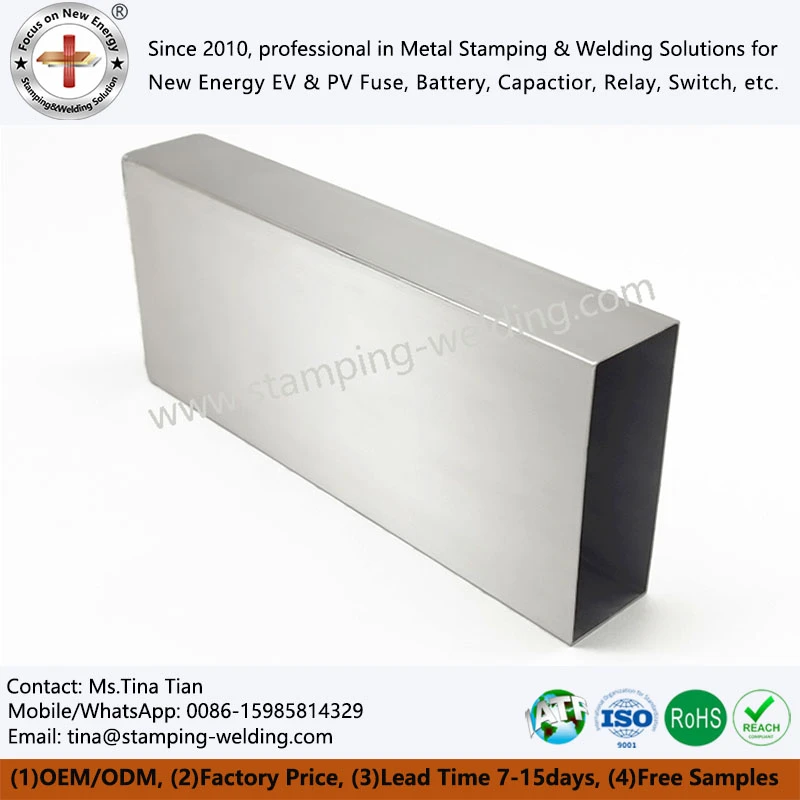
With the continuous development of the new energy vehicle (NEV) and energy storage industries, requirements for power batteries regarding safety, energy density, cycle life, and manufacturing consistency are constantly rising. As vital components of the cell packaging system, power battery structural parts perform critical functions such as mechanical protection, electrical connection, sealing, and thermal safety management. Among these, the aluminum battery case-a key component of hard-shell battery structures-plays a pivotal role in NEV powertrains.
Power battery structural parts primarily include cell top covers, casings, terminal assemblies, positive and negative connectors, and related precision metal stamped parts. Depending on the packaging method, the mainstream technical pathways in the market are categorized into prismatic, cylindrical, and pouch cells; the corresponding structural systems utilize aluminum casings, steel casings, and aluminum-plastic film packaging, respectively.
Prismatic hard-shell batteries, in particular, have emerged as a major technical pathway for NEVs due to advantages such as high space utilization, structural stability, and high system integration efficiency. Their core structural components include the battery top cover and the aluminum alloy casing.
Power battery structural parts combine material properties with precision manufacturing characteristics
In terms of manufacturing costs, power battery structural parts are typical metal-processed products, with raw materials accounting for a significant portion of the total cost. Common materials include aluminum alloys, copper, stainless steel, and engineering plastics.
Aluminum alloys are widely used in NEV battery packaging due to their low density, high strength, excellent corrosion resistance, and good processability.
For NEV applications, aluminum cases must not only meet lightweighting requirements but also possess high mechanical strength and dimensional stability. Aluminum alloy materials effectively reduce the overall weight of the battery pack, thereby enhancing vehicle range and energy efficiency.
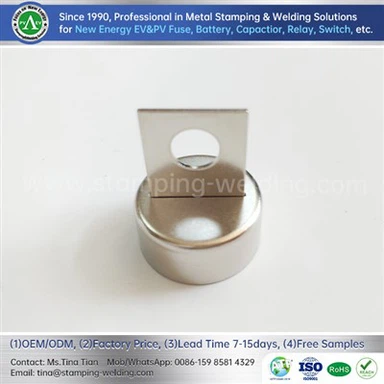
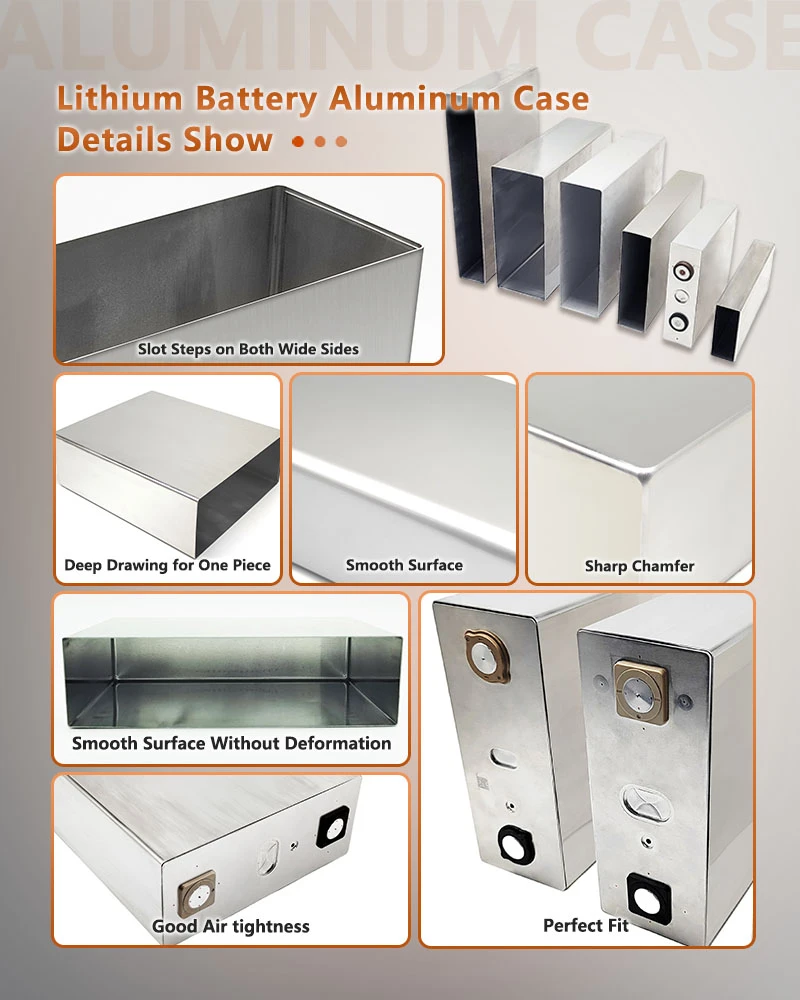
Aluminum casings for power batteries are typically manufactured using processes such as stamping, deep drawing, forming, cleaning, and surface treatment. Given the stringent sealing requirements of the internal cell environment, strict control over dimensional accuracy, welding quality, and surface cleanliness is essential during the manufacturing process.
For instance, prismatic battery casings are generally formed using a continuous deep-drawing process, which requires ensuring uniform wall thickness to prevent strength degradation caused by material deformation. Meanwhile, the top cover assembly typically integrates multiple functional components-such as electrode terminals, explosion-proof valves, and insulating parts-placing higher demands on stamping precision, welding reliability, and assembly consistency.
Aluminum alloy casings have become a key focus for the lightweighting of power batteries
With the rapid growth of the new energy vehicle market, battery systems face increasingly stringent requirements regarding lightweighting, safety, and space utilization. While traditional steel casings offer high strength, they are heavy; in contrast, aluminum alloys can reduce overall mass while maintaining necessary structural strength, making them a preferred choice for power battery packaging.
Currently, common aluminum casings for lithium batteries on the market utilize alloys such as AL1060, AL3003, AL5052, and AL6061.
Among these, the 3003 series is widely used for manufacturing prismatic power battery casings due to its excellent stamping formability and corrosion resistance.
In practical application, battery casings must withstand the expansion pressure of the battery cells while also meeting requirements regarding vibration, impact, and temperature fluctuations during vehicle operation. Consequently, material properties, manufacturing processes, and structural designs require comprehensive optimization.
By optimizing material utilization, enhancing automation, and improving production processes, the power battery structural component industry continues to reduce manufacturing costs and improve product consistency. For instance, the use of high-precision stamping equipment and automated production lines can effectively boost production efficiency and minimize dimensional deviations during mass production.
Battery casings and top covers work together to ensure the safe operation of battery cells
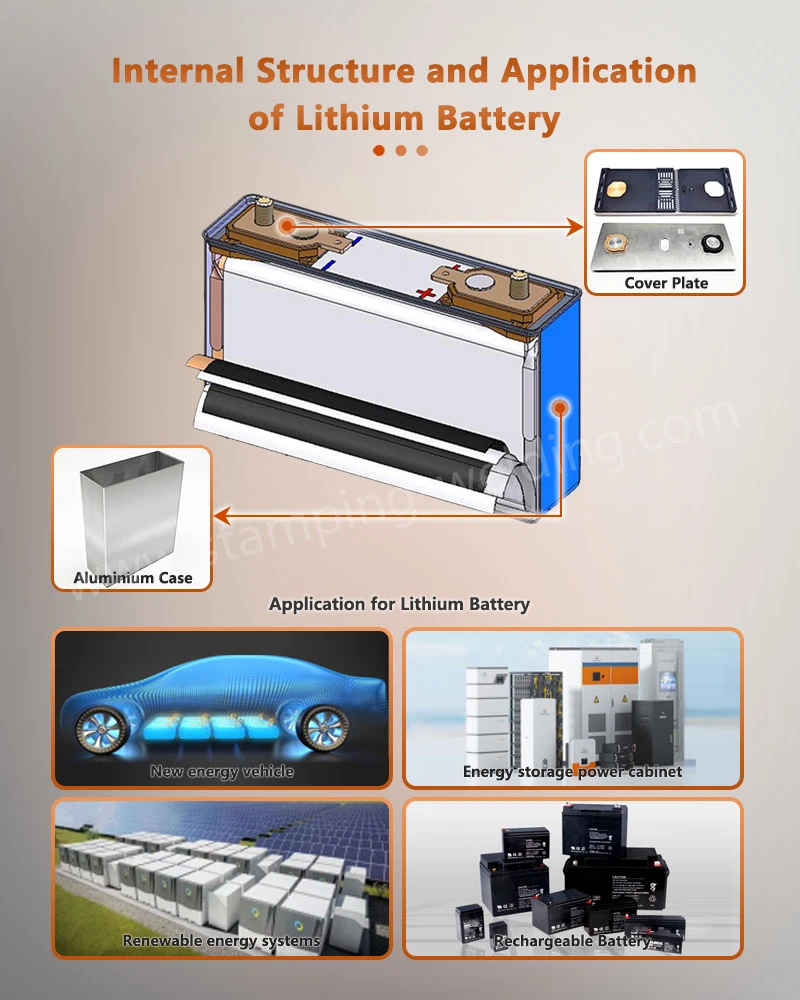
The packaging structure of a power battery affects not only battery performance but also the operational safety of the vehicle. Hard-shell batteries typically consist of a casing and a top cover; the casing primarily provides cell protection and mechanical support, while the top cover handles sealing, current transmission, and safety functions.
During battery operation, internal gas pressure may build up due to overcharging, thermal runaway, or abnormal reactions. When the pressure reaches a preset threshold, the explosion-proof mechanism on the top cover releases the pressure promptly, thereby mitigating safety risks. At the same time, the terminal assembly must ensure a stable connection between the battery cell's interior and the external circuitry; consequently, there are stringent requirements regarding electrical conductivity, welding reliability, and long-term durability.
Some high-performance power battery designs utilize copper-aluminum composite terminals, laser welding, and precision-stamped components to enhance current transmission efficiency.
As a key packaging component of power batteries, the manufacturing quality of aluminum battery cases directly impacts cycle life, safety performance, and overall vehicle reliability. As new energy vehicles evolve toward higher capacities and voltages, manufacturing technologies for structural components are also advancing toward greater precision and higher levels of automation.
Continued evolution of prismatic, cylindrical, and pouch battery architectures
Currently, the power battery market features three primary packaging formats, each with distinct characteristics.
Prismatic batteries utilize metal casings and are characterized by simple structures, high space utilization, and efficient system integration.
Due to their high individual cell capacity, they allow for fewer internal connections within the battery pack and higher system energy density, making them widely adopted in the new energy vehicle sector.
Cylindrical batteries benefit from mature manufacturing processes, high automation levels, and excellent product consistency. However, the large number of individual cells involved places higher demands on battery management systems and thermal management designs.
Pouch batteries employ aluminum-plastic laminate films for external packaging, offering advantages such as light weight and high energy density; however, their manufacturing processes are complex and require high standards for material properties and production environments.
Current trends in the new energy vehicle industry indicate sustained market demand for prismatic aluminum-cased batteries, with manufacturing technologies for their structural components continuing to evolve toward high strength, lightweighting, and intelligent manufacturing.
Future trends in power battery structural components
With the expanding application of new energy vehicles, energy storage systems, and smart grids, the development of power battery structural components will focus on the following areas:
First, the trend toward lightweight materials continues. Thanks to their excellent overall performance, aluminum alloys will remain a crucial material for battery packaging structures.
Second, manufacturing processes are undergoing continuous upgrades. Technologies such as precision stamping, automated welding, in-line inspection, and intelligent production management will further enhance product consistency and production efficiency.
Third, structural designs are being continuously optimized. Future battery casings, top covers, and interconnect components will increasingly prioritize integrated designs to meet the demands of high-capacity cells and high-safety applications.
Furthermore, as quality management standards within the new energy vehicle supply chain rise, manufacturers of structural battery components must possess robust material control, precision machining, and volume delivery capabilities.
For new energy vehicle manufacturers, battery producers, and energy storage system integrators, selecting a structural component supplier with proven stamping capabilities and rigorous quality management systems is crucial to ensuring optimal battery product performance.
If you are seeking a reliable supply solution for metal structural components-whether for new energy vehicles, battery modules, or energy storage systems-we invite you to share your Lithium Battery Aluminum Case drawings, material specifications, and application details. By consulting with our professional engineering team on structural design, manufacturing processes, and mass production strategies, you can secure a tailored solution that best meets your needs.
contact us