The Continuous Upgrades in Energy Storage Cabinet Technology: Integration, Intelligence, And Multi-Scenario Application Drive The Development Of The Energy Storage Industry
Nov 03, 2026
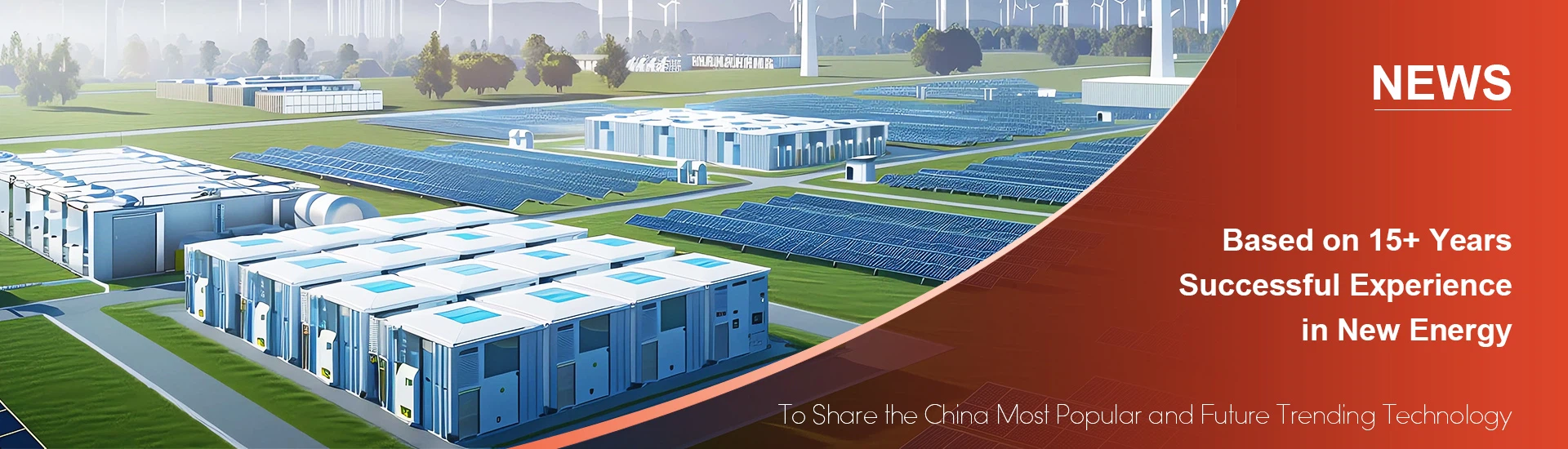
As the global energy mix undergoes a transition and the installed capacity of renewable energy continues to expand, the intermittent and fluctuating nature of power generation from sources like wind and solar has increasingly come into focus. Improving energy efficiency, balancing electricity supply and demand, and ensuring the stable operation of power systems have become critical issues for the development of the new energy industry. Against this backdrop, energy storage technology has emerged as a vital component in renewable energy generation, grid regulation, and energy management systems for industrial and commercial applications.
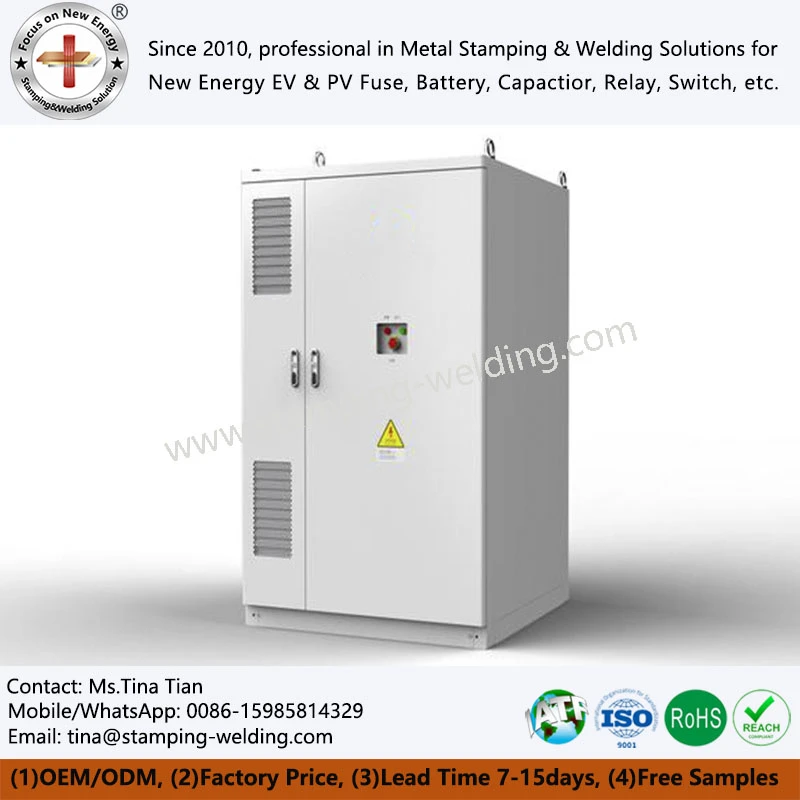
Energy storage cabinets-key integrated units within energy storage systems-are primarily used for the storage, conversion, dispatch, and management of electrical energy. By integrating battery systems, power conversion equipment, thermal management systems, fire protection, and energy management systems, these cabinets can control charging and discharging based on actual electricity demand, thereby supporting the integration of renewable energy, peak shaving, and the provision of backup power. As the range of application scenarios expands, energy storage equipment is evolving toward greater modularity, standardization, intelligence, and enhanced safety.
Integrated Design of Energy Storage Cabinets Enhances System Efficiency
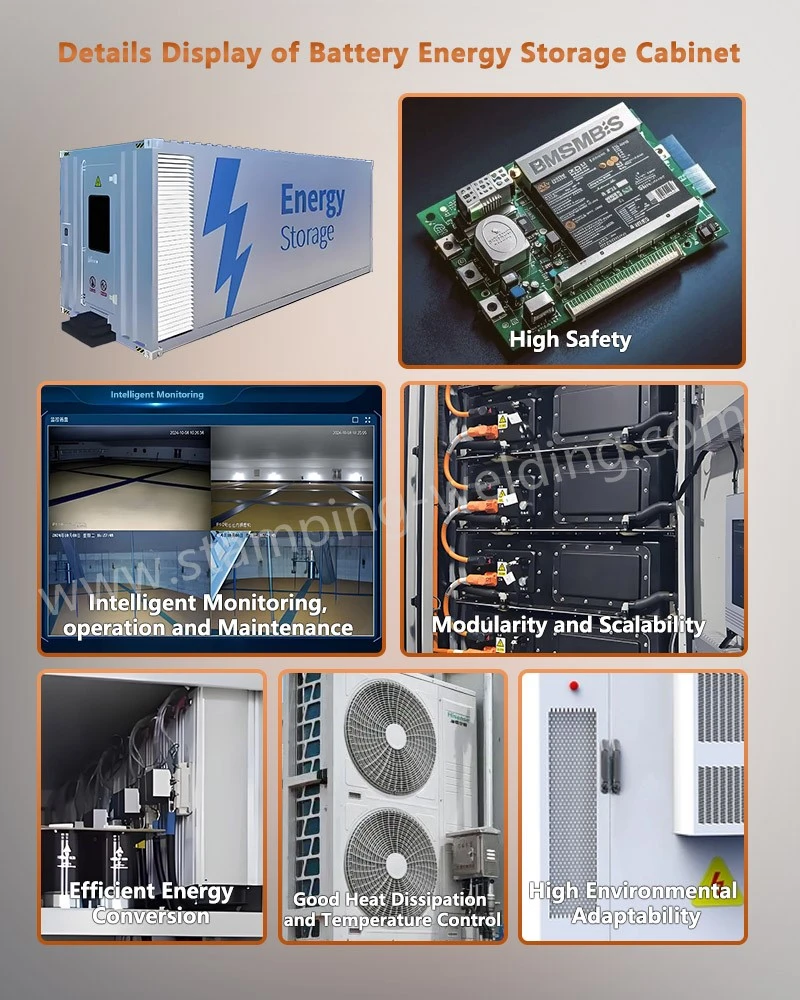
Modern energy storage cabinets typically consist of battery modules, a Battery Management System (BMS), a Power Conversion System (PCS), an Energy Management System (EMS), a thermal management system, and electrical protection components. Through the coordinated control of these subsystems, the unit facilitates the storage, conversion, and output of electrical energy.
Regarding battery configuration, lithium iron phosphate (LiFePO4) batteries have become a preferred technology for industrial, commercial, and large-scale energy storage projects, thanks to their long cycle life, superior thermal stability, and robust overall safety performance. Depending on a project's specific capacity, power, and operational requirements, the system can be configured with varying numbers of battery modules to achieve the desired total energy storage capacity.
For energy storage cabinets, the design of the external enclosure is just as critical to overall system reliability as the performance of the battery system itself. The enclosure must provide a stable mounting environment for battery modules, electrical connectors, and control components, while also meeting requirements for environmental protection, heat dissipation, structural load-bearing, and transportability. An optimized internal layout can shorten electrical connection paths, improve accessibility for maintenance, and minimize interference between different functional modules.
Modular design also represents a key development trend for contemporary energy storage equipment. By standardizing battery modules, connection components, and electrical interfaces, system capacity can be flexibly adjusted to meet specific project requirements, thereby reducing the complexity of future expansions and maintenance. For instance, some energy storage systems utilize an expandable battery architecture, allowing multiple battery modules to be integrated via established electrical and mechanical interfaces.
Battery Management and Intelligent Monitoring Ensure Stable Operation
During long-term operation, energy storage systems require continuous monitoring of battery voltage, current, temperature, state of charge (SOC), and state of health (SOH). The battery management system (BMS) collects and analyzes this data to monitor individual cell status, perform balancing control, and provide early warnings for anomalies-mitigating risks such as overcharging, over-discharging, overheating, and short circuits.
In the case of a LiFePO4 battery energy storage system cabinet, the BMS must not only monitor the status of individual cells but also coordinate the operation of battery clusters, ensuring that the system maintains an optimal charging and discharging strategy under varying load conditions.
The energy management system (EMS) is primarily responsible for the operational scheduling of the entire energy storage installation. By integrating data on grid load, peak/off-peak electricity pricing, photovoltaic power generation, and user demand, the EMS can formulate precise charge/discharge schedules, thereby enhancing energy efficiency. In industrial and commercial settings, the system can also dynamically adjust based on real-time load fluctuations, helping users optimize their electricity consumption patterns.
With the advancement of remote monitoring technology, energy storage systems now increasingly feature cloud-based data management, operational status analysis, and fault reporting. Long-term recording of operational data provides a foundation for equipment maintenance, the refinement of operational strategies, and the assessment of system performance.
Modular Energy Storage Architecture Meets Diverse Capacity Requirements
Different application scenarios impose varying requirements regarding energy storage capacity, output power, installation space, and operational modes; therefore, energy storage systems must offer a high degree of configuration flexibility.
Modular battery energy storage systems typically achieve capacity expansion through the combination of standardized modules. This architecture allows for the phased deployment of battery modules-aligned with initial project budgets and projected future load growth-which alleviates the financial pressure of a large, one-time capital investment. Furthermore, a modular design facilitates fault localization and localized maintenance, minimizing the impact of equipment downtime on the overall system.
For industrial parks, commercial buildings, and large-scale power-consuming facilities, an all-in-one industrial integrated solar energy storage system (ESS) cabinet consolidates batteries, power conversion units, and associated control equipment into a single enclosure. This approach minimizes the space footprint and wiring complexity typically associated with the decentralized installation of individual components.
In practical engineering design, system capacity cannot be determined solely by the nominal capacity of the batteries. Instead, it requires a comprehensive assessment of factors such as rated power, continuous discharge duration, usable depth of discharge (DoD), conversion efficiency, and battery degradation. An optimized system configuration ensures that energy storage equipment aligns with actual load requirements, preventing issues such as insufficient capacity or low equipment utilization rates.
Outdoor Energy Storage Systems Demand Higher Standards for Structural Protection and Thermal Management
As energy storage projects increasingly shift from indoor equipment rooms to industrial parks, photovoltaic (PV) power plants, and grid-side facilities, outdoor installation has become a critical deployment model. Compared to indoor counterparts, outdoor energy storage systems must contend with temperature fluctuations, precipitation, dust, solar radiation, and complex installation environments. Consequently, the structural design of the cabinet and its environmental adaptability are of paramount importance.
Outdoor cabinet-based energy storage systems typically utilize a self-contained, enclosed structure that integrates battery modules, electrical equipment, and auxiliary systems into a unified, protected space. The cabinet's ingress protection (IP) rating, sealing design, ventilation strategy, and anti-corrosion measures must be tailored to the specific environmental conditions of the project site.
For outdoor energy storage cabinets, structural design must prioritize cabinet rigidity, door sealing integrity, internal mounting frameworks, and cable entry/exit interfaces. Given their long-term exposure to the outdoors, metal enclosures require specialized surface treatments to enhance their resistance to heat, humidity, salt spray, and corrosive elements.
Thermal management is a key factor influencing the operational stability of an energy storage system. Batteries generate heat during charging and discharge cycles; uneven internal temperature distribution or localized overheating can accelerate battery degradation and increase thermal safety risks. Therefore, the cooling method for an energy storage cabinet must be carefully selected based on factors such as battery capacity, heat generation, and ambient temperature.
Evolution of Commercial and Industrial (C&I) Energy Storage Toward High Integration and Diverse Cooling Solutions
Commercial and industrial energy storage systems are primarily deployed in settings such as manufacturing plants, commercial complexes, data centers, and industrial parks. By storing electricity during off-peak periods and discharging it during peak hours, these systems assist users in load management and the optimization of electricity costs. Furthermore, in scenarios equipped with photovoltaic (PV) power generation, energy storage units can increase the self-consumption ratio of solar energy and reduce the curtailment of renewable power.
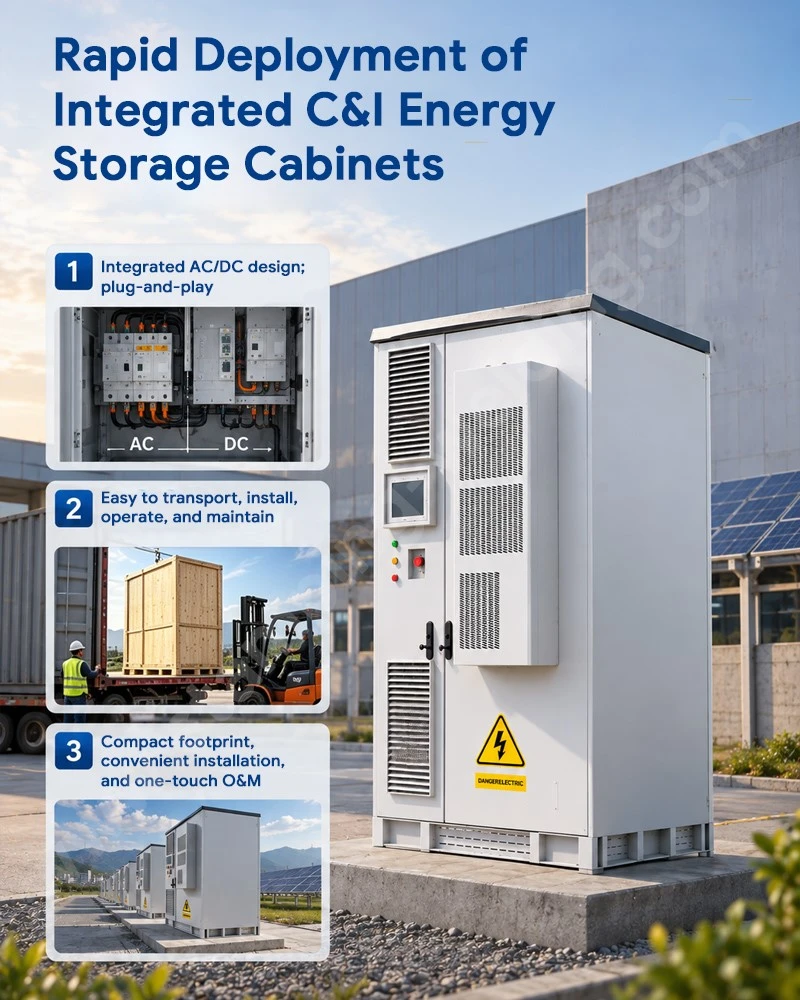
Integrated C&I energy storage cabinets typically house battery systems, power conversion equipment, power distribution components, and monitoring systems within one or more standardized enclosures. These units can be configured with varying energy storage capacities and power outputs to meet specific project requirements.
For medium-to-large-scale energy storage projects, customized integrated energy storage cabinets-such as a 215 kWh air-cooled unit-are configured to meet precise capacity specifications. The design of such systems must account for factors including battery specifications, system voltage, rated power, thermal management capabilities, and on-site installation conditions; nominal capacity alone is insufficient as a sole criterion for equipment selection.
Currently, thermal management for energy storage systems primarily utilizes either air-cooling or liquid-cooling technologies. Air-cooling systems facilitate heat exchange through airflow channels and circulating fans, offering the advantages of a relatively simple structure and well-established maintenance procedures. Liquid-cooling systems, by contrast, circulate a coolant to remove heat generated during battery operation, which helps improve temperature uniformity within large-scale battery systems.
For applications requiring high energy density and large capacity, integrated liquid-cooled energy storage cabinets-such as those designed for wind power integration-require careful consideration of factors like coolant piping layout, sealing reliability, coolant compatibility, and long-term operation and maintenance. The choice of cooling method should be based on a comprehensive assessment of equipment power, ambient temperature, thermal load, and the total lifecycle cost of the project.
Integrated Development of PV, Wind Power, and Energy Storage Systems
Renewable energy generation is inherently intermittent and volatile. Energy storage systems can capture excess power during periods of high generation and release it when generation is insufficient, or electricity demand is high, thereby improving the alignment between renewable energy supply and user load requirements.
Solar wind energy storage cabinets allow for the integration of photovoltaic (PV) power, wind power, and energy storage equipment, making them suitable for off-grid power supply, microgrids, and various distributed energy projects. Through the strategic design of battery capacity, power conversion equipment, and energy management protocols, the utilization efficiency of renewable energy can be significantly enhanced.
In PV applications, "all-in-one" PV power storage system cabinets typically consolidate energy conversion, storage, and power output functions, thereby reducing the number of interconnections between system components. For residential and small-scale commercial projects, such integrated solutions streamline the installation process; for larger-scale projects, key considerations include grid-connection requirements, system scalability, and communication compatibility among various pieces of equipment.
Furthermore, energy storage systems can operate in tandem with backup power sources, diesel generators, and microgrid control systems to provide reliable power for remote areas, industrial facilities, and critical loads. Given that projects vary in terms of grid-connection methods, required backup duration, and load classifications, system configurations must be tailored to specific operational needs.
Continuous Optimization of Energy Storage Cabinet Manufacturing and Structural Design
As the level of integration in energy storage systems increases, the cabinet structure has evolved beyond a simple enclosure; it is now a critical component that influences installation efficiency, operational safety, and long-term maintenance.
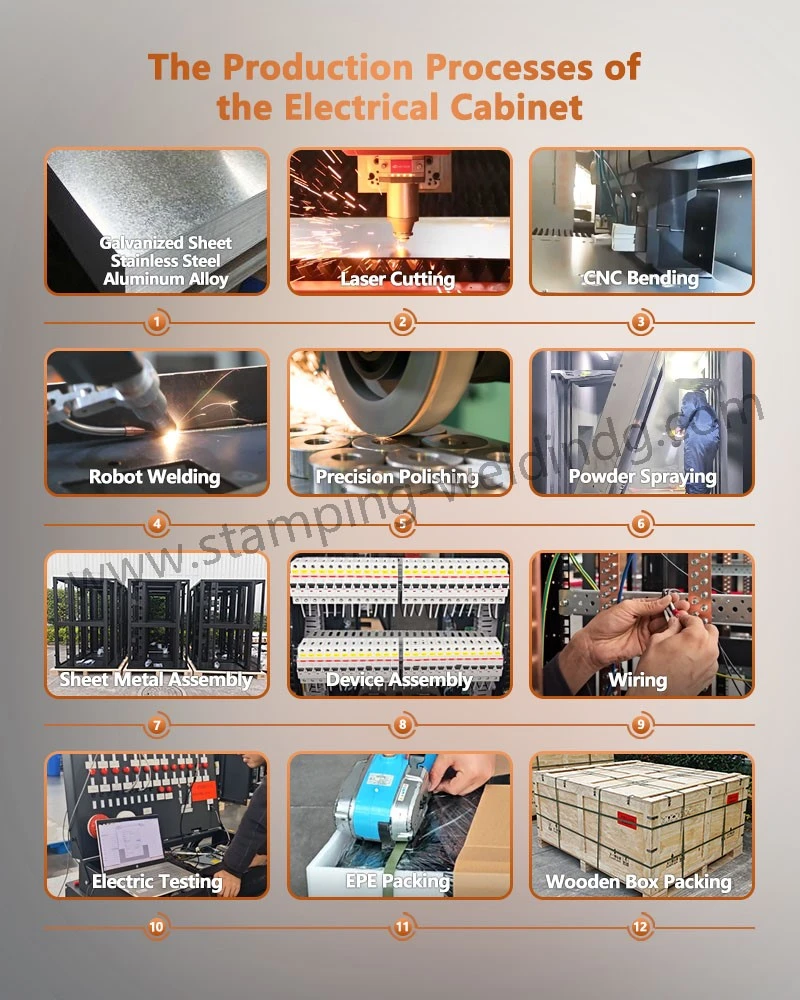
The manufacturing process for energy storage cabinets typically involves sheet metal cutting, precision stamping, bending, welding, surface treatment, and final assembly. The cabinet must possess sufficient mechanical strength to support the weight of internal battery modules, electrical components, and auxiliary equipment, while also meeting the rigorous demands of transportation, lifting, and on-site installation.
For large-scale integrated units, internal support frames, mounting baseplates, and connection structures must be engineered based on the equipment's weight and load distribution. An optimized structural layout enhances space utilization while ensuring adequate room for battery module replacement, cable routing, and routine maintenance.
Additionally, the cabinet design must address electrical safety and environmental protection. By optimizing door structures, sealing gaskets, cable interfaces, and internal isolation, the risk of external contaminants-such as dust and moisture-entering the equipment can be effectively minimized. For projects located in corrosive environments, it is essential to select appropriate metallic materials and surface coatings based on the specific operating conditions.
In terms of industry trends, energy storage cabinets are evolving toward higher levels of integration, more flexible capacity configuration, more precise thermal management, and more robust safety monitoring capabilities. The synergy between battery technology, power conversion technology, intelligent control systems, and precision metal structural manufacturing will continue to shape the product design and engineering applications of energy storage equipment.
What technical indicators should be considered when procuring energy storage cabinets?
For energy storage system integrators, EPC contractors, and equipment procurement professionals, the selection of energy storage cabinets requires a comprehensive evaluation that goes beyond battery capacity and price-encompassing system performance, structural design, and long-term operation and maintenance.
First, it is necessary to define the project's rated power, usable energy storage capacity, charge/discharge duration, and grid-connection requirements to ensure that the system configuration aligns with the actual load. Furthermore, one must verify the communication compatibility between the battery system, the Battery Management System (BMS), and the Energy Management System (EMS), as well as the output parameters and operational control modes of the Power Conversion System (PCS).
Additionally, the structural integrity and manufacturing quality of the cabinet cannot be overlooked. Procurement specifications should clearly define the cabinet materials, sheet metal thickness, load-bearing requirements, ingress protection (IP) ratings, anti-corrosion treatments, internal mounting structures, and thermal management designs. For outdoor projects, it is also critical to confirm the equipment's resistance to water and dust, as well as its adaptability to local climatic conditions.
Moreover, a supplier's capabilities-such as their proficiency in design collaboration, drawing review, sample validation, and the ability to ensure stable, large-scale delivery-are key criteria for evaluation during the procurement process. For customized energy storage cabinet projects, it is advisable to provide system layout diagrams, equipment dimensions, installation methods, operating environment details, and relevant technical specifications early on. This facilitates the assessment of structural design, material selection, and manufacturing processes.
As energy storage projects trend toward larger scales and more diverse application scenarios, energy storage cabinets have become a vital interface connecting battery technology, power electronics, and renewable energy systems. Optimizing system integration, cabinet structure, and manufacturing processes provides a more stable and reliable equipment foundation for energy storage projects.
For engineering clients with requirements for customized energy storage enclosures and metal structural components, project blueprints, technical specifications, and application requirements can be submitted to our manufacturing team. Through further consultation regarding structural design, precision stamping, welding processes, and mass production strategies, we facilitate the seamless transition of your project from technical design to prototype validation and large-scale delivery.
contact us