
Upgraded Safety Management Requirements For Lithium Battery Charging: Design And Intelligent Monitoring Of Lithium Battery Charging Cabinets Become Industry Focus
Nov 18, 2026
As the application scope of new energy vehicles, industrial electric equipment, warehousing and logistics machinery, and portable electronic products continues to expand, the demand for centralized storage and charging of lithium batteries is on the rise. Compared to decentralized charging, a centralized model facilitates unified equipment management; however, it also imposes more rigorous requirements on the structural design, electrical safety, heat dissipation, and anomaly monitoring of charging facilities.
Due to their high energy density, lithium batteries are susceptible to "thermal runaway" under abnormal conditions-such as overcharging, external short circuits, mechanical damage, or failures in thermal management-which can lead to fires and other safety incidents. Consequently, a lithium battery charging cabinet is no longer merely a storage and charging unit; its structural design, power supply system, ventilation/cooling mechanisms, and fire safety features have become critical components of overall safety management.
Currently, lithium battery charging infrastructure is evolving toward modular configurations, intelligent monitoring, and systematic safety management. Selecting the appropriate equipment-based on battery type, charging power, and the specific operational environment-has become a key assessment priority for industrial users and procurement professionals.
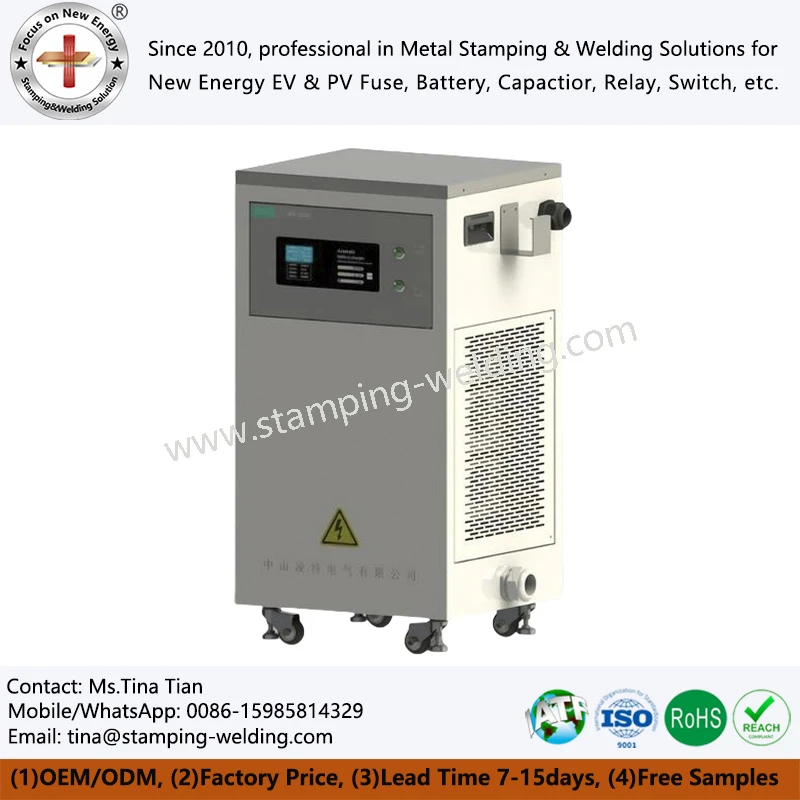
Structural Design and Equipment Selection for Lithium Battery Charging Cabinets
The design quality of a charging cabinet directly impacts both the safety of the charging process and the operational stability of the equipment. Different use cases dictate specific requirements for cabinet capacity, charging interfaces, power supply configurations, and internal spatial layout.
Based on equipment structure and operational needs, common solutions include the following:
1. Standard Charging Cabinets
Standard battery charging cabinets typically feature a standardized enclosure, equipped with a fixed number of charging interfaces, power circuitry, and basic ventilation components. These are well-suited for scenarios where the charging equipment and battery specifications are relatively uniform.
When selecting such units, it is essential to verify battery dimensions, rated voltage, charging current, interface types, and the maximum number of batteries that can be charged per cabinet to prevent charging anomalies caused by mismatched electrical parameters.
2. Custom Charging Cabinets
Custom battery charging cabinets are specifically engineered to accommodate varying battery specifications, installation space constraints, and operational environments. Customization typically encompasses cabinet dimensions, internal partitioning, the number of charging ports, cable routing, thermal management structures, and electrical protection configurations. For industrial equipment manufacturers, custom designs must integrate battery technical specifications with actual operating conditions; internal configurations cannot be determined solely based on external dimensions.
3. Modular Charging Cabinet
Modular charging cabinets allow for expansion and configuration adjustments through independent functional modules. The number of charging units can be tailored to the specific quantity of equipment and charging requirements.
This structure is well-suited for industrial environments where the number of batteries may increase over time or charging demands may shift in phases. Modular designs must also account for electrical isolation between charging units, adequate space for heat dissipation, and ease of maintenance.
4. Compact Charging Cabinet
Compact charging cabinets are primarily designed for settings with limited installation space, such as offices, small equipment rooms, and specific industrial environments.
In these designs, internal space must be allocated efficiently-balancing the placement of charging ports, power line routing, and airflow-to ensure that a highly compact structure does not compromise heat dissipation or future maintenance access.
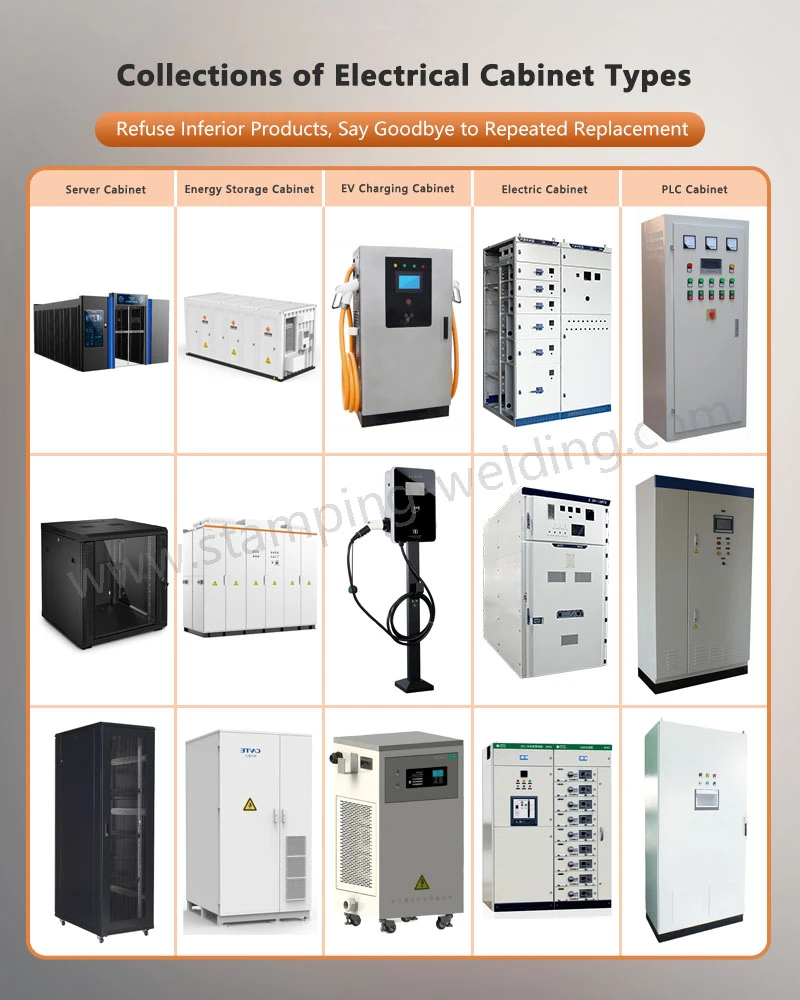
Six Key Focus Areas for the Safety Management of Lithium Battery Charging Cabinets
1. Cabinet Structure and Electrical Protection Design
The structure and electrical systems of a charging cabinet must be designed based on the specific battery type, rated voltage, and charging power. Key aspects to evaluate include cabinet materials, internal isolation structures, grounding methods, wiring insulation, and overcurrent protection.
For centralized charging scenarios, it is also essential to assess the load capacity of both individual charging circuits and the main input circuit, ensuring the proper implementation of circuit breakers, fuses, and necessary electrical isolation measures.
When procuring equipment, verify that the product meets relevant safety standards, possesses valid test reports and certifications, and complies with local regulations and operational requirements.
2. Temperature Control and Ventilation/Heat Dissipation
Lithium batteries generate heat during the charging process. Excessive ambient temperatures or inadequate heat dissipation can impair battery performance and increase operational risks.
Charging cabinets should incorporate ventilation or temperature control systems, designed with consideration for battery charging power, cabinet volume, and equipment layout. For units used to charge multiple batteries simultaneously, it is critical to evaluate internal airflow patterns to prevent localized heat accumulation. The temperature monitoring system should be capable of continuously collecting temperature data from critical locations and triggering alarms or implementing appropriate protective measures whenever temperatures exceed pre-set thresholds.
3. Matching Charging Equipment with Battery Parameters
Different battery types have distinct requirements regarding charging voltage, current, and charging control strategies.
For instance, a lithium-ion battery charger must have its charging parameters configured based on the battery's chemical composition, cell specifications, and the requirements of the Battery Management System (BMS). Lithium iron phosphate (LiFePO4) batteries and ternary lithium batteries cannot simply be charged using the same parameters.
Furthermore, because lead-acid batteries and lithium batteries utilize different charging control methods, a lead-acid battery charger should not be used as a direct substitute for equipment designed specifically for lithium batteries.
During the procurement phase, it is essential to verify the communication protocols, protection logic, and interface compatibility between the charger and the Battery Management System (BMS) to ensure that the charging equipment operates in accordance with the parameters specified by the battery manufacturer.
4. Battery Status Inspection and Routine Maintenance
Regular inspections are a crucial step in reducing operational risks associated with charging facilities.
Routine checks should cover the battery's physical condition, connection terminals, charging cables, interfaces, and the internal environment of the charging cabinet. Particular attention should be paid to signs of swelling, damage, leakage, abnormal heating, or unusual odors.
If any irregularities are detected, charging operations must be halted in compliance with the manufacturer's guidelines and on-site emergency protocols. The affected battery should then be isolated and handled by trained professionals. Batteries that exhibit visible damage or abnormal conditions must not be used.
Additionally, maintenance records should be kept-documenting battery replacements, troubleshooting, charging anomalies, and routine inspections-to facilitate future traceability and risk analysis.
5. Intelligent Monitoring and the Application of Battery Management Systems (BMS)
As industrial charging equipment becomes increasingly intelligent, online monitoring has become a key feature of charging cabinets.
A Battery Management System (BMS) is primarily responsible for monitoring and protecting the battery. Depending on the specific system design, it collects data such as battery voltage, current, and temperature, and executes necessary protective control measures.
Charging cabinets may also be equipped with independent environmental monitoring units to track internal temperature, smoke levels, access control, and other environmental parameters.
Through a monitoring platform, management personnel can view the operational status of the equipment, identify anomalous data, and receive alerts. It should be noted that the Battery Management System (BMS) and the cabinet-level environmental monitoring system serve distinct functions; they must be configured appropriately according to the system architecture and cannot substitute for one another.
6. Fire Safety Provisions and Emergency Personnel Training
For lithium-ion battery charging areas, specialized protection plans must be developed based on battery type, energy storage scale, equipment layout, and local fire safety regulations.
Charging facilities must be equipped with appropriate detection, alarm, isolation, and fire-suppression systems-determined through risk assessment-along with clearly defined procedures for emergency shutdown, power disconnection, personnel evacuation, and incident response.
In centralized charging areas, access and operational permissions must be strictly defined to prevent untrained personnel from altering charging parameters or dismantling electrical components.
Regular safety training and emergency drills are essential to enhance the ability of on-site personnel to identify and respond to battery anomalies, equipment malfunctions, and fire risks.
Systematic Configuration of Charging Cabinets and Ancillary Equipment
The safe operation of lithium-ion battery charging facilities depends not only on the cabinets themselves but also on the seamless integration of chargers, power distribution, interface structures, and monitoring systems.
Common ancillary equipment across various application scenarios includes:
Battery charging station: Typically refers to a centralized charging facility-comprising charging cabinets, charging modules, power systems, and monitoring equipment-suitable for industrial equipment, power tools, and other settings requiring centralized charging.
Charging dock: Designed primarily for positioning, docking, and charging batteries or portable devices; the focus here is on interface compatibility, connector durability, and reliable electrical contact.
Power supply cabinet: Handles power input, distribution, and electrical protection, providing power to multiple charging units as required by the specific project.
These components must be configured in alignment with the actual system architecture. For instance, in a centralized charging system, it is critical to verify the total input power, the load on each charging circuit, power protection mechanisms, and grounding design to prevent operational issues caused by insufficient power distribution capacity or improper circuit configuration.
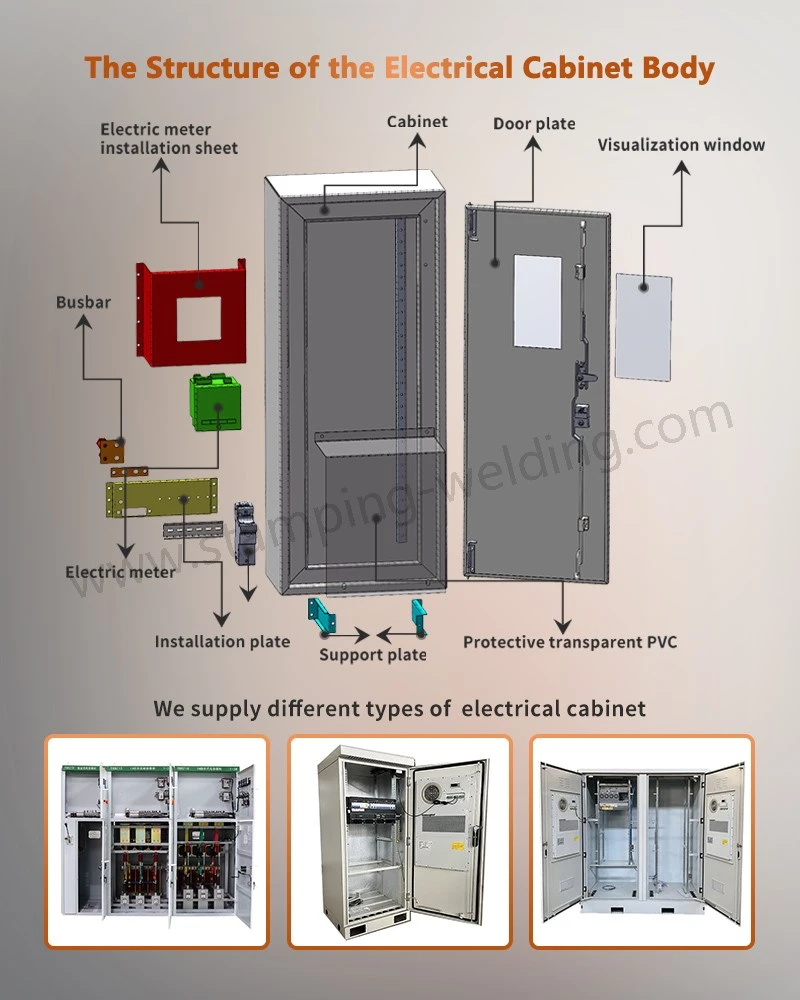
Configuration Strategies for Charging Cabinets Across Different Application Scenarios
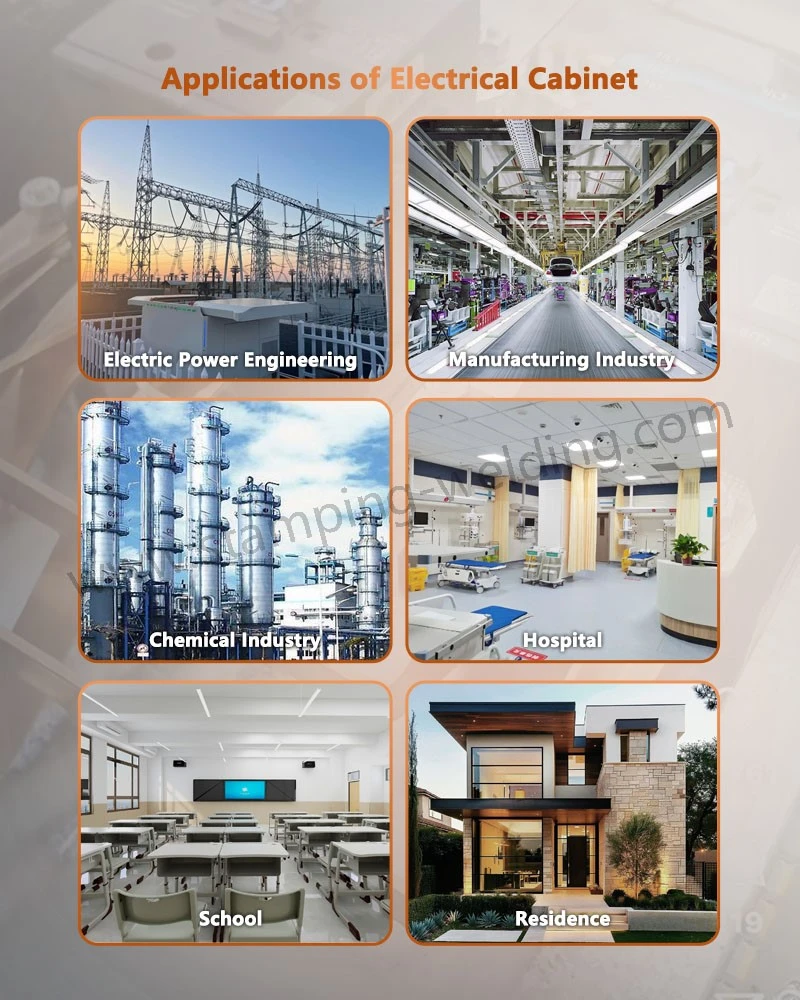
Requirements for charging cabinets vary significantly among users. Procurement decisions should be based on factors such as the number of batteries, the type of equipment, available installation space, and safety management requirements.
| Application Scenarios | Recommended Configuration | Key Considerations |
|---|---|---|
| Charging for industrial power tools | Standard or compact charging cabinet | Charging ports, temperature monitoring, circuit protection |
| Warehouse and logistics equipment | Custom or modular charging cabinet | Battery capacity, charging power, ventilation and heat dissipation |
| New energy equipment production workshop | Custom charging cabinet | Battery specifications, BMS compatibility, electrical isolation |
| Centralized battery management area | Modular charging system | Multi-circuit power distribution, status monitoring, fire protection configuration |
| Small enterprises and equipment rooms | Compact charging cabinet | Installation space, ease of operation, basic safety configurations |
For scenarios involving a large number of batteries or high charging power, the focus should be on the independence of the charging area, fire compartmentalization, and emergency response capabilities, rather than simply increasing the capacity of the charging cabinets.
The Evolution of Lithium Battery Charging Cabinet Manufacturing: Toward Modularity and Integrated Safety
As industrial battery applications become increasingly specialized, the manufacturing of charging cabinets has evolved from simple sheet-metal fabrication toward a comprehensive approach encompassing structural design, electrical integration, and safety monitoring systems.
The manufacturing process typically involves sheet-metal stamping, bending, welding, surface treatment, and assembly. Structural design must account for internal load-bearing requirements, installation space, cable management, and accessibility for equipment maintenance.
For specific projects, the dimensions, internal partitions, mounting brackets, ventilation openings, and fixtures for electrical components can be tailored to meet actual operational needs.
Furthermore, the choice of materials and surface treatments must be aligned with the intended operating environment. In industrial settings, the selection of materials and coating systems should be determined based on factors such as humidity, dust levels, and the potential for corrosion.
In custom projects, manufacturers must also focus on the following aspects:
- Structural integrity of the cabinet and precision in the installation of internal equipment;
- Methods for securing electrical components and the layout of wiring;
- Placement of charging interfaces and cables;
- Ventilation/heat dissipation design and maintenance clearance;
- Durability of door locks, hinges, and access panels;
- Grounding connections and electrical safety requirements.
These manufacturing details directly influence the assembly quality, maintenance efficiency, and long-term operational reliability of the charging cabinets.
Industry Outlook: The Evolution Toward Intelligent and Systematic Charging Infrastructure
As lithium-ion batteries see continued adoption across industrial equipment, new-energy transport, and energy storage, the safety management of centralized charging infrastructure is gaining increasing attention.
In terms of equipment development, future lithium-ion battery charging cabinets will focus on ongoing optimization in areas such as modular architecture, charging parameter management, temperature monitoring, electrical protection, and integration with fire safety systems.
For those procuring such equipment, the selection process should extend beyond cabinet dimensions and the number of charging ports; it must also comprehensively evaluate battery compatibility, charging power, Battery Management System (BMS) communication capabilities, environmental monitoring, and on-site fire safety conditions.
By incorporating equipment design, charging management, routine inspections, and emergency response protocols into a unified management framework, organizations can more effectively identify and mitigate potential risks associated with centralized charging, thereby ensuring both operational safety and the safety of personnel.
contact us
For engineering procurement projects, contact our team with your battery specifications, charging requirements, and cabinet dimensions to discuss a customized Lithium-ion Battery Charging Cabinet solution that meets your application needs.