Energy Storage Cabinet Technology: System Integration, Thermal Management, And Outdoor Application Drive The Development Of Energy Storage Equipment
Nov 16, 2026
As the scale of renewable energy generation expands and the demand for flexibility within power systems grows, energy storage equipment is increasingly being deployed across various sectors-including industrial and commercial parks, photovoltaic power plants, data centers, telecommunications base stations, and residential energy management systems. Serving as a critical asset for storing and dispatching electrical energy, energy storage cabinets integrate battery systems, power electronics, and intelligent control systems. This synergy enables the shifting and allocation of electrical energy across different time periods, facilitating peak shaving and valley filling, providing backup power, supporting the integration of renewable energy, and enabling the operation of microgrids.
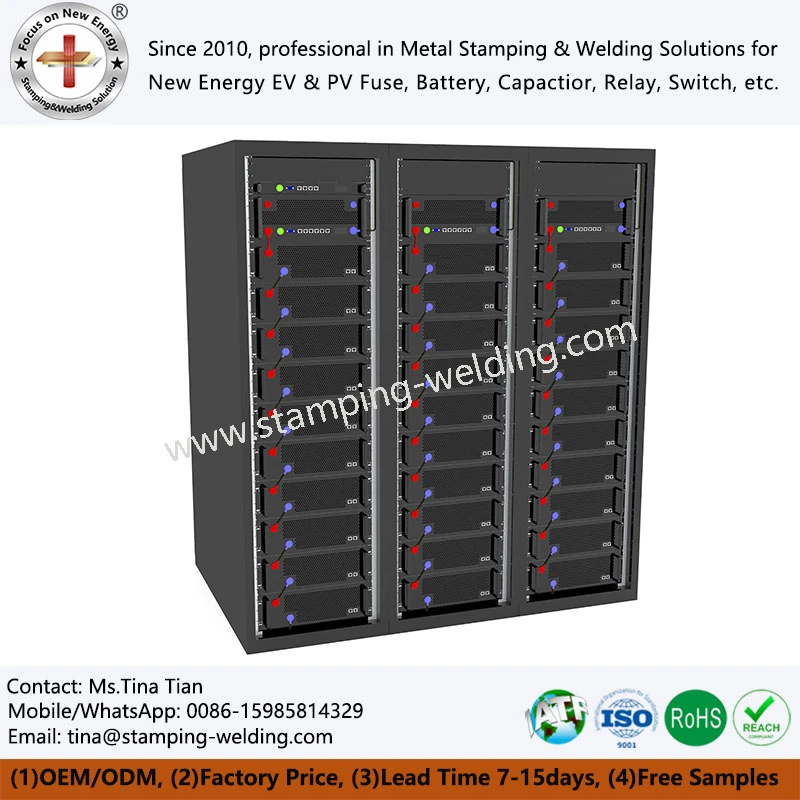
In terms of physical configuration, an energy storage cabinet typically houses battery modules, management systems, and associated electrical components within a self-contained enclosure. Unlike individual battery modules, an energy storage cabinet must not only store electrical energy but also manage electrical interconnections, thermal regulation, structural protection, operational monitoring, and ease of maintenance. The quality of its design directly influences the system's operational stability, safety, and long-term maintenance costs.
Basic Components and System Functions of Energy Storage Cabinets
Energy storage cabinets generally consist of battery modules, a Battery Management System (BMS), a Power Conversion System (PCS), an Energy Management System (EMS), a thermal management system, electrical protection devices, and a metal enclosure. The specific configuration and integration of these components vary by application, depending on factors such as storage capacity, output power, operating environment, and grid-connection requirements.
Battery modules serve as the core storage units within the cabinet, converting electrical energy into chemical energy for storage and releasing it when needed. Currently, lithium iron phosphate (LiFePO4) batteries are widely used in industrial, commercial, and outdoor energy storage projects due to their superior cycle life and thermal stability. These modules are typically arranged in series, parallel, or a combination of both to meet specific system requirements for voltage, capacity, and output power.
The Battery Management System (BMS) monitors the voltage, current, temperature, and state of charge (SoC) of individual battery cells and the overall battery pack. It performs cell balancing and implements protective controls based on operating conditions. The BMS detects and addresses issues such as overcharging, over-discharging, overcurrent, and abnormal temperatures, thereby mitigating operational risks within the battery system.
The power conversion system is primarily responsible for the conversion between direct current (DC) and alternating current (AC), enabling energy exchange between energy storage batteries and the power grid, photovoltaic systems, and AC loads. The energy management system, meanwhile, formulates charge and discharge strategies based on factors such as electricity pricing, grid status, load demand, and renewable energy generation, thereby enhancing energy utilization efficiency.
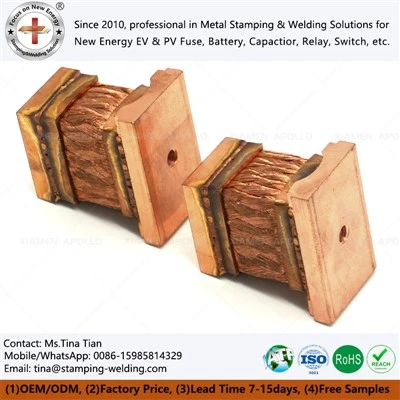
Furthermore, the cabinet interior must be equipped with components such as electrical connectors, circuit breakers, fuses, wiring harnesses, and communication interfaces. Busbars and flexible connectors facilitate current transmission between battery modules and power electronic equipment; their electrical conductivity, connection reliability, insulation structure, and temperature-rise characteristics all directly impact system operation. For high-current energy storage equipment, the design and manufacturing precision of these connection structures are particularly critical.
Key Technical Characteristics of Energy Storage Cabinets
The technical performance of an energy storage cabinet is not determined solely by battery capacity; rather, it is influenced by a combination of factors, including the battery system, electrical architecture, thermal management, control strategies, and the protective design of the cabinet itself.
First is system safety. Energy storage cabinets require multi-layered management of battery and electrical systems through mechanisms such as a Battery Management System (BMS), overcurrent and short-circuit protection, insulation monitoring, and temperature surveillance. Additionally, the cabinet structure must account for electrical isolation, grounding, protective measures, and maintenance access to prevent operational issues caused by loose connections, insulation failure, or localized overheating.
Second is energy conversion and operational efficiency. Energy losses occur during the charging and discharging processes; the overall system efficiency is affected by battery performance, the conversion efficiency of the Power Conversion System (PCS), connection resistance, and the power consumption of auxiliary equipment. Consequently, during the equipment design phase, it is essential to comprehensively evaluate battery selection, electrical topology, busbar cross-sections, and connection methods to minimize unnecessary energy loss.
Modular design has also emerged as a significant trend in the development of energy storage equipment. Energy storage system cabinets with a modular architecture can be configured to meet specific project capacity and power requirements, thereby reducing the complexity associated with system expansion and maintenance. For industrial and commercial energy storage projects of varying scales, modular configurations help standardize equipment interfaces, optimize installation space, and increase flexibility for future system adjustments.
Structural Configurations and Thermal Management Technologies for Energy Storage Cabinets
Depending on equipment integration methods, installation environments, and system configurations, energy storage cabinets can be designed using various structural forms, such as discrete, modular, base-mounted, or fully integrated configurations.
A discrete structure involves placing battery modules, power converters, and control equipment in separate zones within the cabinet or in independent units, with components interconnected via cables and electrical interfaces. While this approach facilitates functional zoning and independent maintenance, it requires careful planning of the routing and installation space between components.
A modular (or combined) structure forms a complete energy storage system by grouping multiple independent cabinets, allowing for adjustments in the number of units and total system capacity based on project requirements. This offers configuration flexibility, particularly for projects involving phased construction or future capacity expansion.
A base-mounted structure typically involves mounting batteries and associated electrical equipment onto a load-bearing base or frame, which is then enclosed within an external cabinet for protection. This design necessitates careful consideration of equipment weight distribution, the load-bearing capacity of the base, securement methods for transport, and on-site installation conditions; it is often suitable for certain outdoor energy storage applications.
An integrated structure consolidates batteries, power conversion equipment, control systems, and auxiliary components into one or more coordinated cabinets. By integrating these elements at the system level, the need for external interconnections is reduced, which helps shorten on-site installation and commissioning times. However, this approach places higher demands on internal spatial layout, thermal management (airflow paths), electrical isolation, and access for maintenance.
For outdoor projects, energy storage cabinets must withstand environmental factors such as temperature fluctuations, precipitation, dust, humidity, and solar radiation. The choice of cabinet materials, sealing structures, door designs, ventilation paths, and surface anti-corrosion treatments must be tailored to the specific environmental conditions of the project site. For equipment deployed outdoors for long periods, considerations must also include transport and lifting requirements, foundation anchoring, and long-term maintenance accessibility.
Thermal management systems are critical to the long-term operation of energy storage cabinets. Traditional air-cooling solutions utilize fans and air ducts to facilitate airflow, removing heat generated by batteries and electrical components during operation. These systems are characterized by their relatively simple structure and well-established maintenance procedures. However, in scenarios characterized by high thermal loads, elevated ambient temperatures, or compact battery layouts, uneven airflow can lead to temperature disparities between different battery modules.
Liquid cooling technology facilitates heat removal through the circulation of a coolant, which helps to improve temperature distribution. A liquid-cooled energy storage cabinet typically requires the integration of cooling piping, liquid-cooling plates, circulation pumps, heat exchangers, and temperature control units. Key design considerations include the layout of the cooling circuit, flow distribution, sealing reliability, coolant compatibility, and leak detection.
For energy storage projects supporting renewable energy sources like wind and solar power, integrated liquid-cooled energy storage cabinets-such as those designed for wind power applications-exemplify the industry's shift toward higher levels of integration and sophisticated thermal management. In practice, the optimal cooling method for any given project must be determined based on factors such as battery capacity, power density, ambient temperature, and maintenance requirements.
Manufacturing and Quality Control of Energy Storage Cabinets
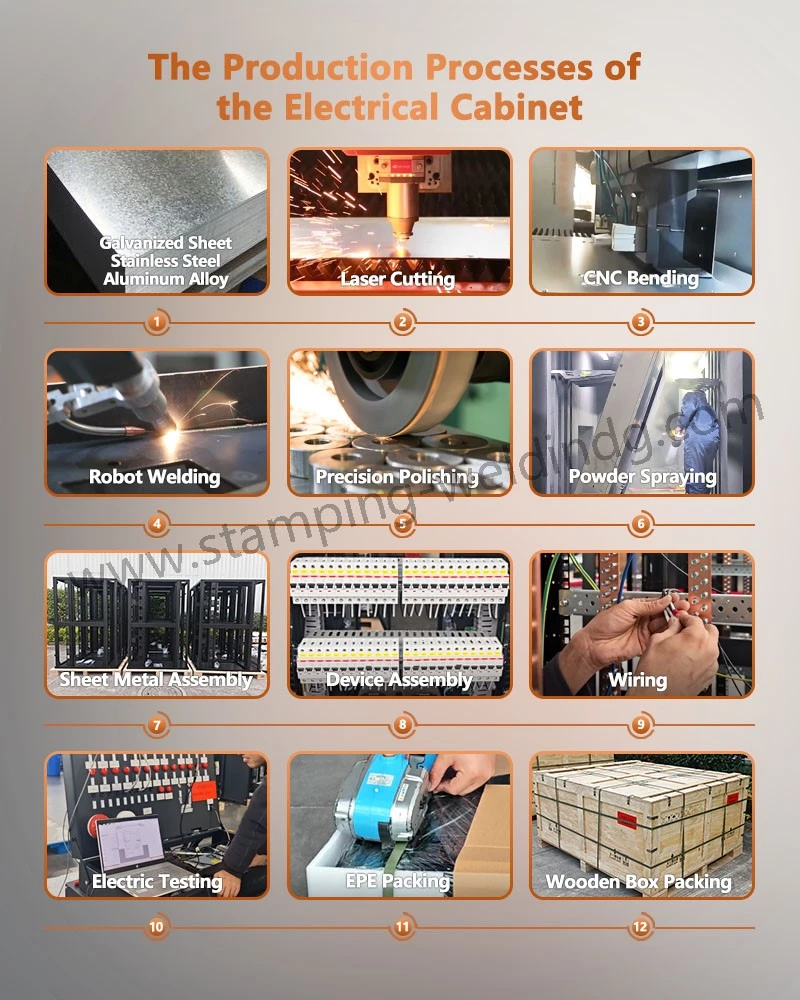
The production of energy storage cabinets encompasses several stages, including structural design, electrical integration, component manufacturing, system assembly, and comprehensive unit testing. For manufacturers, the quality of the cabinet structure and internal connectors is fundamental to ensuring the long-term, stable operation of the energy storage equipment.
During the preliminary design phase, the cabinet dimensions, internal spatial partitioning, and equipment placement must be determined based on energy storage capacity, rated power, installation method, and the intended operating environment. Furthermore, factors such as the weight of battery modules, electrical clearances, creepage distances, cable routing, heat dissipation pathways, and maintenance access must be carefully evaluated to prevent conflicts between the structural design and the electrical layout.
The material procurement phase typically involves sourcing batteries, electrical components, sheet metal, connectors, insulation materials, and sealing components. The selection of materials for the cabinet structure must account for the equipment's weight, protection requirements, and the operating environment. For outdoor equipment, in addition to material strength, considerations must also include the adhesion of surface coatings, corrosion resistance, and long-term environmental adaptability.
The fabrication of structural components involves processes such as sheet metal cutting, stamping, bending, welding, machining, and surface treatment. Components-including cabinet doors, side panels, mounting brackets, bases, and internal partitions-must maintain precise dimensional accuracy and consistent assembly quality. For the structure housing the battery modules, it is essential to verify connection strength, panel rigidity, and overall deformation.
Regarding electrical connections, focus should be placed on the manufacturing quality of busbars, terminals, wiring harnesses, and insulation components. Factors such as the material selection, cross-sectional dimensions, bending precision, connection hole positioning, and surface treatment of copper or aluminum busbars directly affect current-carrying capacity and connection stability. For high-current connection points, it is also necessary to control the quality of contact surfaces and the state of assembly to minimize contact resistance and the risk of localized temperature spikes.
Once the unit is fully assembled, it must undergo testing-based on product design specifications and applicable standards-to evaluate electrical safety, insulation performance, protective functions, communication capabilities, and operational status. For units equipped with thermal management systems, functions such as temperature monitoring, cooling operation, and anomaly alarms must also be verified.
Through in-process inspections, critical dimension checks, and comprehensive unit testing, the consistency of products across different batches can be ensured.
Applications of Energy Storage Cabinets in New Energy and Industrial Sectors
The application of energy storage cabinets has expanded beyond traditional backup power to encompass power dispatch, energy management, and distributed energy systems.
In residential energy systems, storage units can be paired with rooftop photovoltaic (PV) installations to store excess energy generated during the day, which can then be released at night or when PV generation is insufficient. Energy storage solutions designed for various renewable sources-such as solar-wind hybrid storage cabinets-exemplify the synergy between storage systems and distributed energy resources. The specific configuration is determined based on factors such as power generation capacity, household load, and backup power requirements.
In industrial and commercial parks, energy storage cabinets can be used to schedule charging and discharging cycles based on time-of-use electricity tariffs and load fluctuations. By storing energy when electricity prices are low, or demand is light, and releasing it during peak consumption periods, these systems help enterprises optimize their energy usage patterns. Furthermore, with appropriate configuration, energy storage systems can provide power support for production equipment subject to short-term power fluctuations.
In photovoltaic power plants and wind energy projects, energy storage units help mitigate the inherent variability in renewable energy output, thereby enhancing the dispatchability of new energy generation. By utilizing an energy management system to coordinate the flow of energy between power generation equipment, storage units, and the electrical grid, the operational flexibility of local power systems can be significantly improved.
Data centers and telecommunications base stations have stringent requirements for power continuity. In these environments, energy storage systems (ESS) can serve as part of a backup power infrastructure, operating in tandem with uninterruptible power supplies (UPS), diesel generators, and power distribution systems. Key design considerations include load classification, switching logic, backup duration, equipment redundancy, and operational/maintenance requirements.
Energy storage solutions are also essential for transportation infrastructure, industrial production lines, and microgrids in remote areas. In such settings, equipment must not only perform core energy storage functions but also withstand site-specific conditions, including temperature, humidity, vibration, and power supply characteristics.
As product offerings diversify, the market has seen the emergence of various "all-in-one" energy storage systems-such as the Fortress Power FlexTower All-in-One Energy Storage System or integrated PV-plus-storage cabinets. These products reflect a broader industry trend toward the integration of batteries, power conversion systems, and control units. Given that system architecture, capacity configurations, and operational parameters vary by product, technical specifications remain the primary basis for engineering selection.
Future Trends for Energy Storage Cabinets: Integration, Liquid Cooling, and Outdoor Adaptability
As energy storage projects scale up, technical development will increasingly focus on system integration, operational safety, thermal management, and total lifecycle costs.
Standardization and modular design are set to become more widespread. By unifying electrical interfaces, physical dimensions, and communication protocols, the industry can enhance interoperability while simplifying project design, installation, and long-term maintenance. Furthermore, integrated systems will continue to see optimized internal layouts, maximizing equipment density-in terms of capacity and components-within a given footprint, all while maintaining strict electrical safety and thermal management standards.
Thermal management technology is also evolving toward greater precision. For high-energy-density and high-power systems, liquid cooling solutions are expected to see broader adoption; however, their widespread implementation will depend on factors such as initial capital expenditure, maintenance complexity, environmental adaptability, and overall system reliability. Air cooling and liquid cooling are not merely interchangeable alternatives; the choice between them should be based on the specific requirements of the application.
The demand for outdoor deployment is also driving continuous improvements in cabinet structural design and protective finishes.
Solutions such as stainless-steel outdoor enclosures are increasingly utilized for projects that require high material corrosion resistance and robust structural protection. The final selection of materials requires a comprehensive evaluation that considers equipment weight, manufacturing complexity, environmental corrosion levels, and costs.
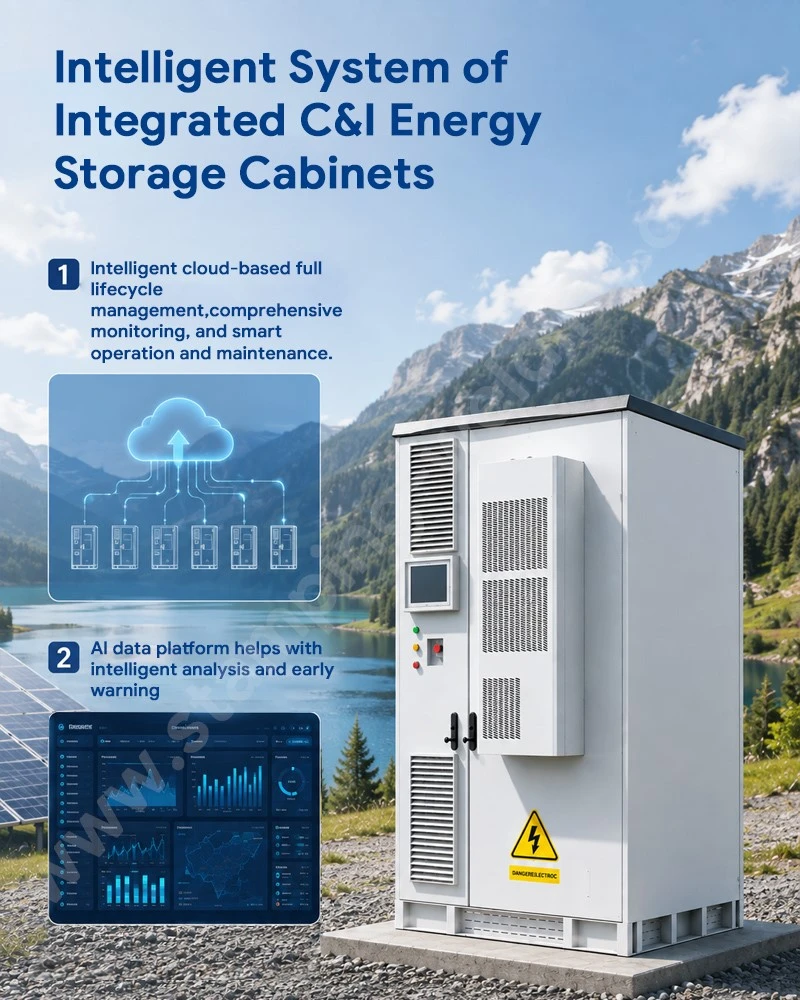
Furthermore, safety management for energy storage systems is evolving from simple battery monitoring toward a multi-system, integrated approach-encompassing battery, electrical, thermal management, and fire protection systems. Capabilities in operational data collection, fault diagnosis, and remote monitoring are also being further refined, providing essential support for system health assessment, maintenance planning, and the optimization of operational strategies.
Procurement Focus: Beyond Battery Configuration to Enclosures and Interconnection Structures
When procuring energy storage cabinets, selection should not be limited to battery capacity and rated power. It is equally important to evaluate the enclosure structure, internal electrical connections, thermal management methods, ingress protection (IP) ratings, installation requirements, and long-term maintenance needs. For outdoor energy storage equipment in particular, factors such as the enclosure's load-bearing capacity, sealing integrity, anti-corrosion treatment, and internal spatial layout directly influence performance under actual operating conditions.
During the development of customized energy storage equipment, the purchaser can provide specifications based on project requirements-including enclosure dimensions, material gauges, installation interfaces, busbar materials and cross-sections, connection hole configurations, surface treatments, and the intended operating environment. For projects involving sheet metal stamping, bending, welding, or copper/aluminum conductive components, it is advisable to finalize drawing tolerances, assembly requirements, and inspection standards as early as possible. This helps assess manufacturing feasibility and minimizes the need for subsequent design changes.
If you are developing energy storage cabinets for industrial and commercial applications, outdoor energy storage systems, or integrated energy storage units, please share your product drawings, technical specifications, and intended operating conditions. We would be happy to discuss material selection, manufacturing processes, sample validation, and mass production requirements for metal enclosures, structural frameworks, copper/aluminum busbars, and precision connection components.
contact us