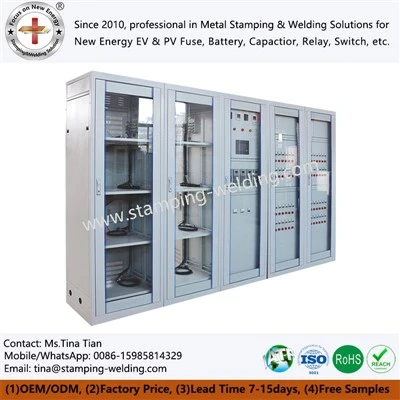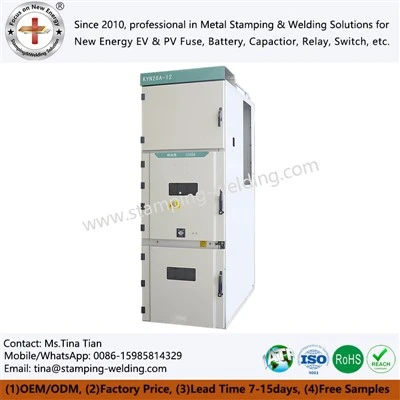
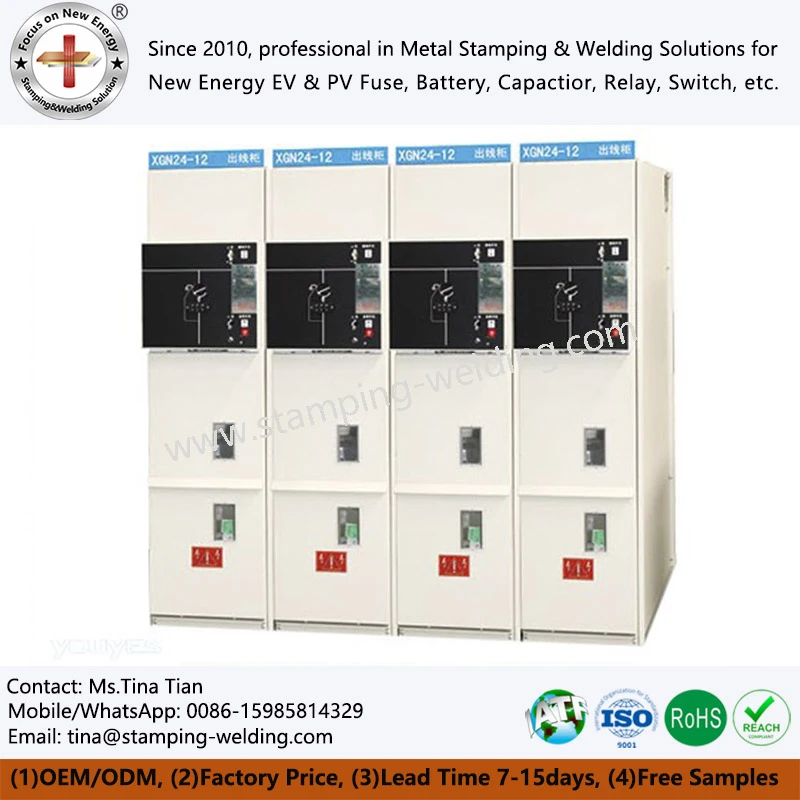

DC Power Supply Distribution Cabinet
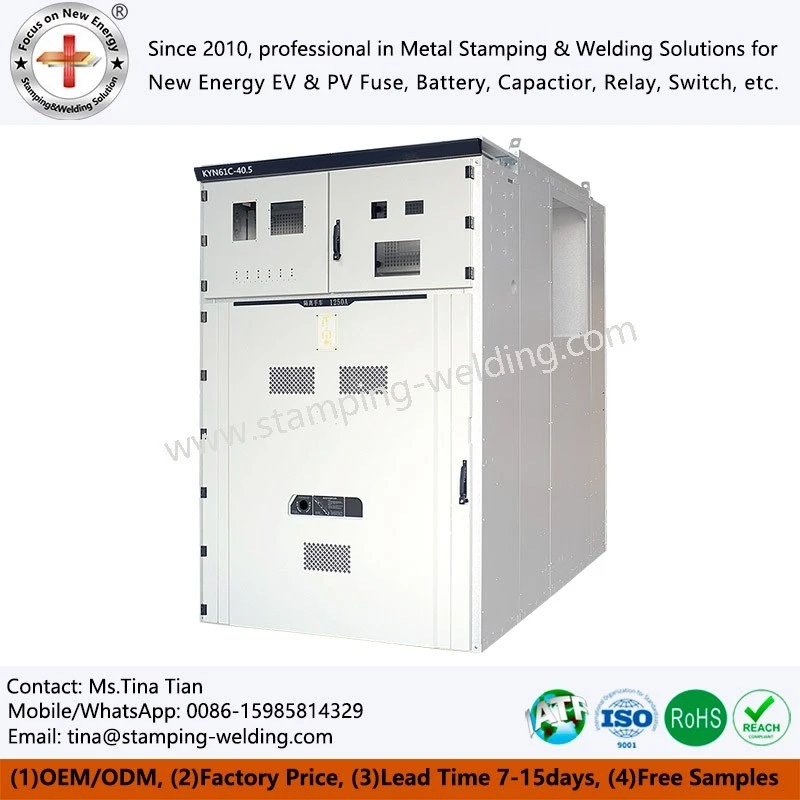
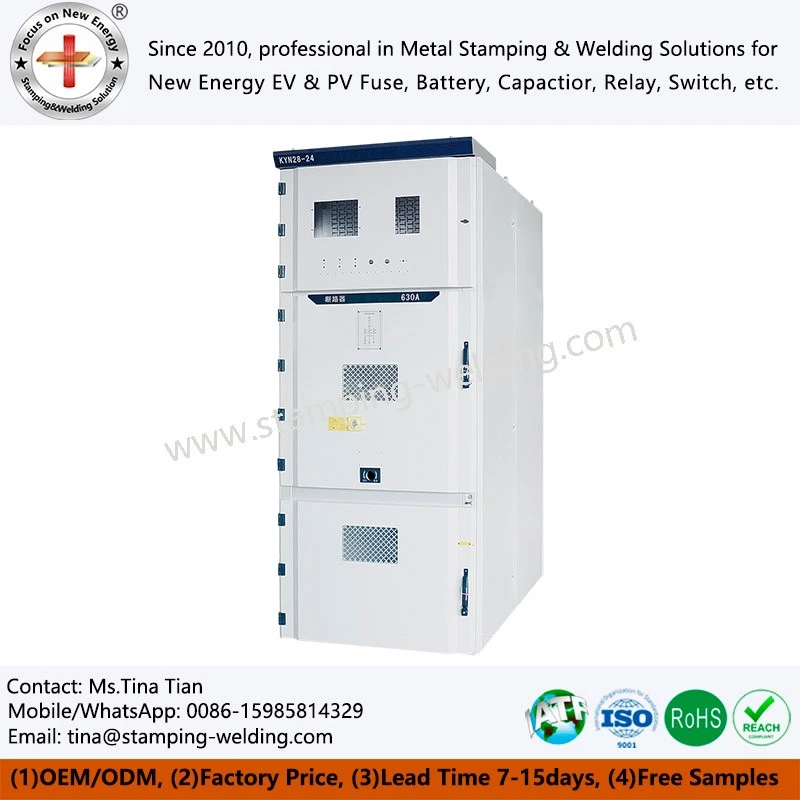
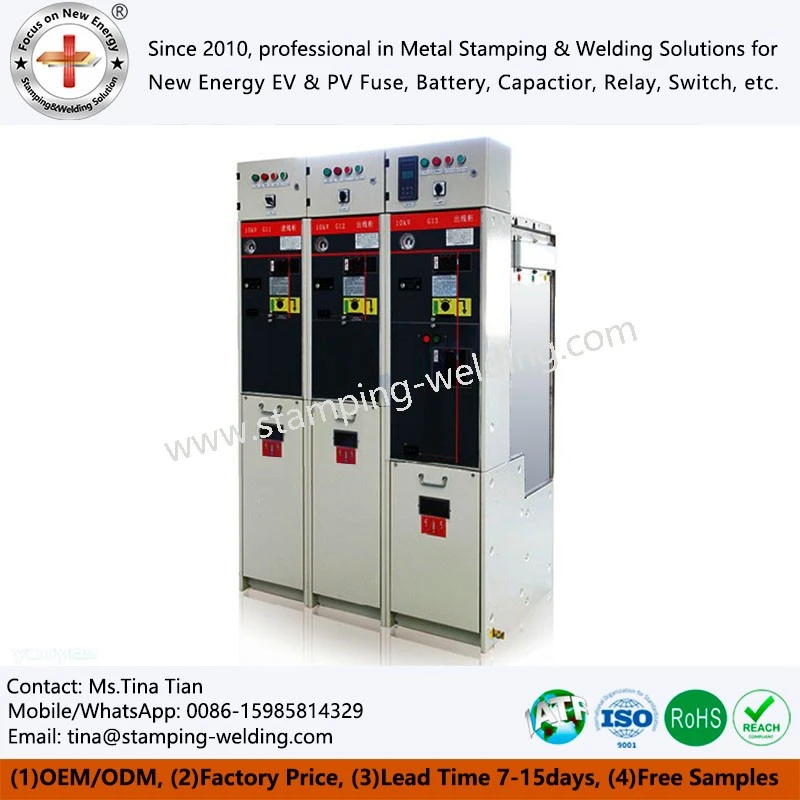
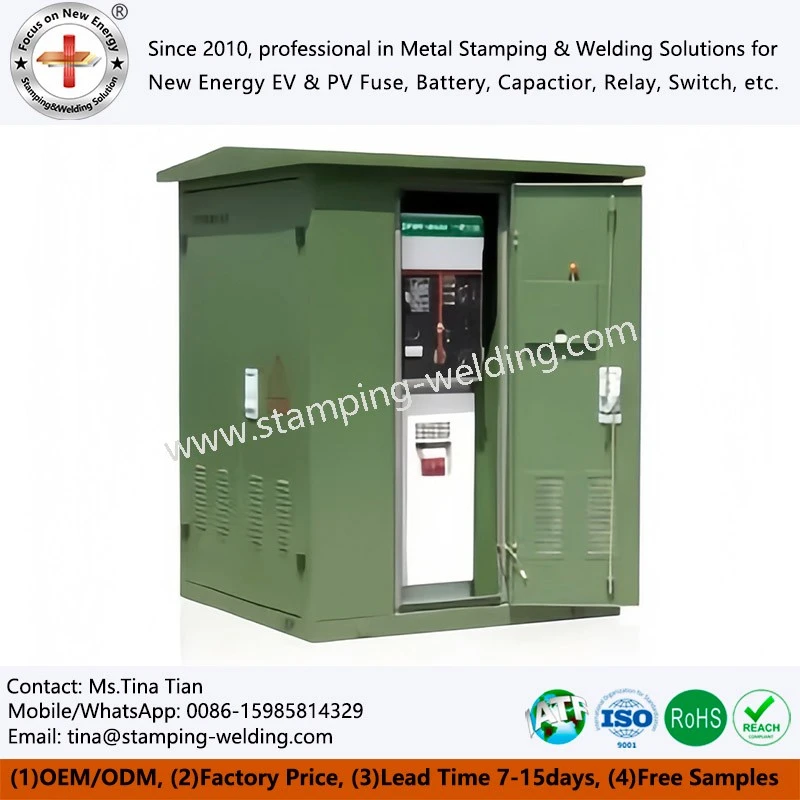
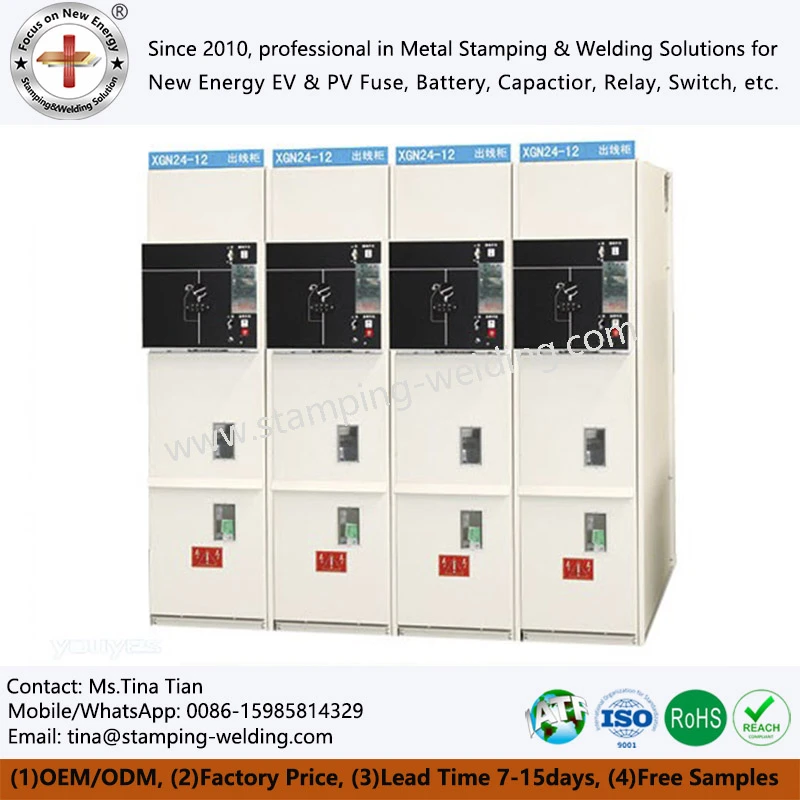
A DC Power Supply Distribution Cabinet is a critical electrical component within a DC power supply system. It is primarily designed to receive DC power and distribute it to various loads or downstream equipment via internal busbars, circuit breakers, fuses, and distribution circuits. Depending on the system design, these cabinets can also incorporate features such as electrical isolation, overcurrent protection, status monitoring, and fault alarming, enabling centralized management of DC power. Compared to AC power distribution cabinets, DC distribution cabinets entail distinct technical requirements in terms of electrical design. Since DC does not feature the periodic zero-crossing inherent to AC, special consideration must be given to the extinguishing of DC fault arcs and the selection of protective devices. Components—including circuit breakers, fuses, busbar connections, and insulation clearances—must be carefully matched to the system voltage, prospective short-circuit current, and load characteristics.
- Fast Delievery
- Quality Assurance
- 24/7 Customer Service
Product Introduction
A DC power distribution cabinet is, in essence, a centralized device designed for the distribution and protection of electrical energy within a DC system. Its core functions include receiving DC power from an upstream source, distributing it into multiple output circuits via busbars or cables, providing protection and monitoring for each individual output, and-where necessary-facilitating remote communication and status reporting. Compared to traditional AC distribution cabinets, DC distribution cabinets differ significantly in both their structural and electrical design. Since DC systems lack a "zero-crossing" point, extinguishing electrical arcs is more challenging; consequently, switching and protective components must be specifically selected for DC characteristics.
Technical Features and Full-Process Production Workflow
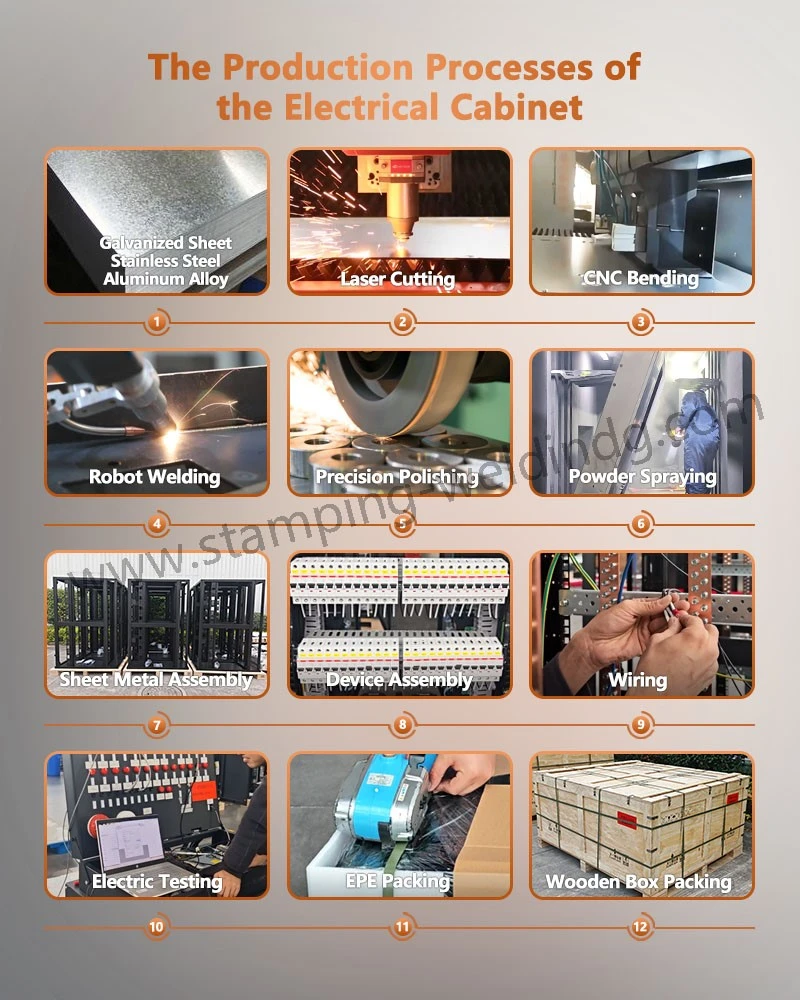
The production process follows a four-stage closed-loop system: "Blueprints - Prefabrication - Assembly - Inspection."
Enclosure Fabrication
High-quality cold-rolled steel sheets are shaped via CNC bending. The framework undergoes welding, followed by comprehensive pickling and phosphating, and finally, an electrostatic powder coating.
Component Installation
Components-such as circuit breakers, fuses, monitoring instruments, and insulation monitoring devices-are installed according to the layout drawings. Brands for these components can be specified by the client to ensure consistency across projects.
Primary and Secondary Wiring
Busbars are installed according to phase sequence/polarity color-coding. Secondary wiring harnesses are routed in organized, layered bundles, with high-voltage and low-voltage cables laid separately to minimize electromagnetic interference with monitoring signals.
Comprehensive Factory Inspection
Before leaving the facility, each unit undergoes circuit resistance measurement, insulation/withstand voltage testing, functional integration testing, and verification of communication with monitoring units.
Key Functions
Power Distribution (Combining and Branching)
Distributes DC power from rectifiers or battery buses to multiple feeder circuits.
01
Tiered Protection
Provides selective tripping for overloads, short circuits, and transient overvoltages, thereby limiting the scope of power outages.
02
Safety Isolation
Offers double-pole, verifiable, and lockable/taggable disconnection points for maintenance.
03
Insulation and Status Monitoring
Performs real-time monitoring of insulation resistance, electrical parameters on the bus, component status, and alarm reporting.
04
System Integration and Interlocking
Manages pre-charging, reverse-polarity protection, emergency stops, and status-based interlocking with upstream equipment.
05
Frequently Asked Questions
Q1: What is a DC power distribution cabinet used for?
-
A DC power distribution cabinet is designed to receive a DC power supply and distribute electrical energy to various loads via busbars and branch protection components. Depending on its configuration, it can also provide electrical isolation, status monitoring, and fault protection.
Q2: What is the difference between a DC distribution cabinet and an AC distribution cabinet?
-
The primary difference lies in the type of power supply and the corresponding electrical design requirements. DC distribution cabinets require specific considerations-such as the breaking capacity of DC circuit breakers, polarity, DC arc management, protection coordination, and insulation requirements-meaning that AC distribution designs cannot simply be applied to DC systems.
Q3: Can a DC power distribution cabinet be customized?
-
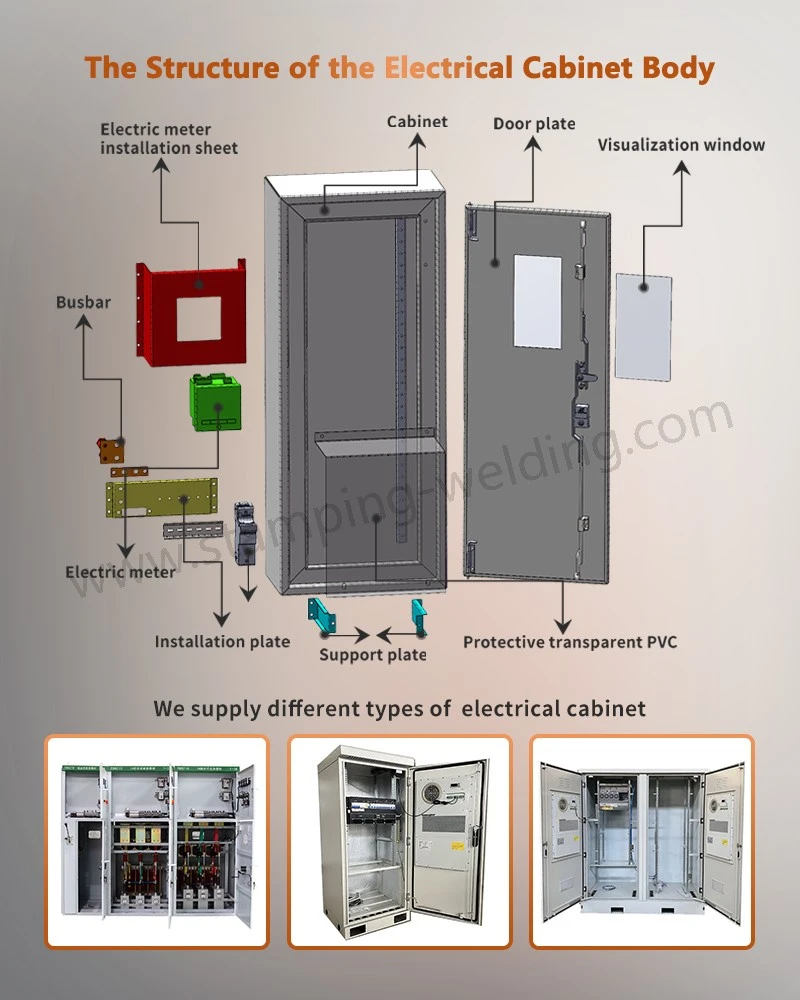
Yes. The cabinet dimensions, materials, mounting plates, busbar support structures, cable entry/exit points, door configurations, and surface finishes can all be customized based on client drawings and project requirements. The internal electrical configuration is determined according to the scope of supply agreed upon by both parties.
Q4: Which materials are commonly used for DC distribution cabinet enclosures?
-
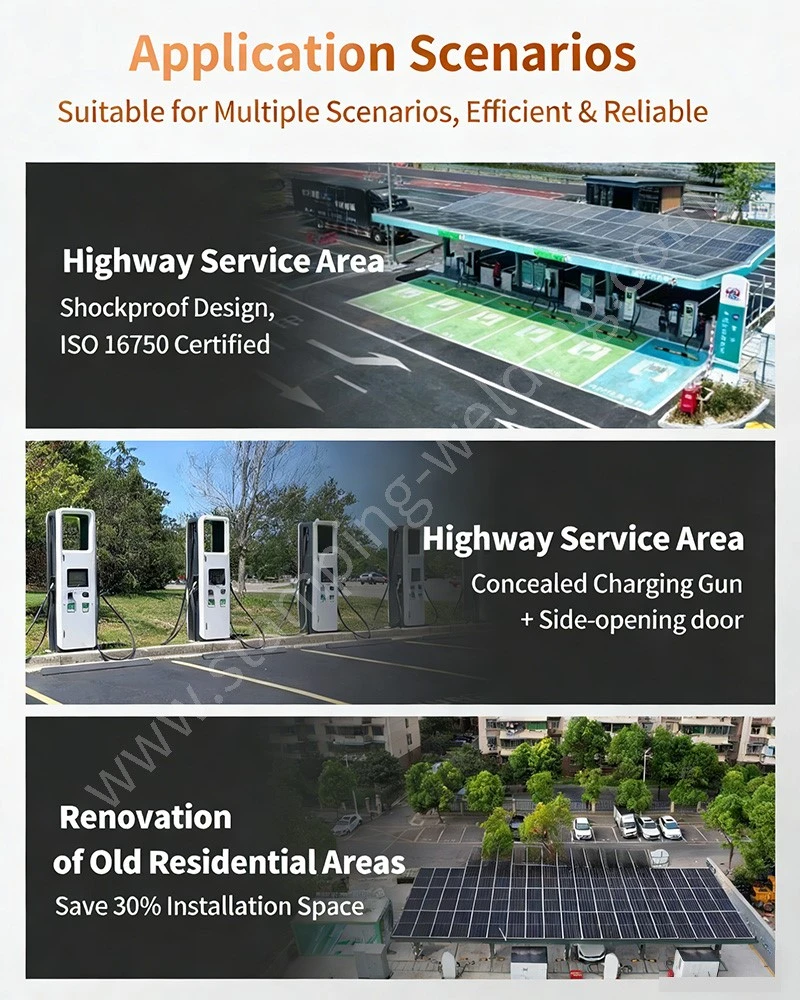
Common materials include cold-rolled steel sheets, galvanized steel sheets, stainless steel, and aluminum alloys. The specific choice depends on factors such as the installation environment, structural strength requirements, weight constraints, corrosion resistance needs, and the intended surface finish.
Q5: What information is required for a custom DC distribution cabinet quotation?
-
To accurately evaluate the cabinet structure, manufacturing processes, and project scope, it is recommended to provide details such as system voltage, current, and power architecture; cabinet dimensions; installation environment; cable entry/exit methods; electrical schematics; component layout; and applicable standards.
contact us
We specialize in providing structurally reliable and flexibly configurable Distribution Cabinets for Data Center solutions for telecommunications, energy storage, and industrial DC systems. With comprehensive engineering capabilities-spanning electrical design and manufacturing to on-site integration-we invite technical and procurement teams to discuss specific project requirements with us so that we can refine the details of the proposed solution.
Hot Tags: DC Power Supply Distribution Cabinet, DC Power Distribution Cabinet, DC Distribution Panel, DC Power Distribution Panel