A Comprehensive Analysis of Electric BusBar Design: Key Elements for Balancing Performance, Safety, and Efficiency
May 02, 2026
Electric BusBar, as core components of power transmission systems, involve the integration of multiple disciplines, including electrical engineering, thermal management, mechanical structure, and materials science. In fields such as new energy, industrial automation, and smart grids, the quality of busbar design directly affects system stability, energy efficiency, and safety. Industry experts point out that excellent electric bar design requires finding a precise balance between performance, cost, space, and reliability. The following are the core considerations.
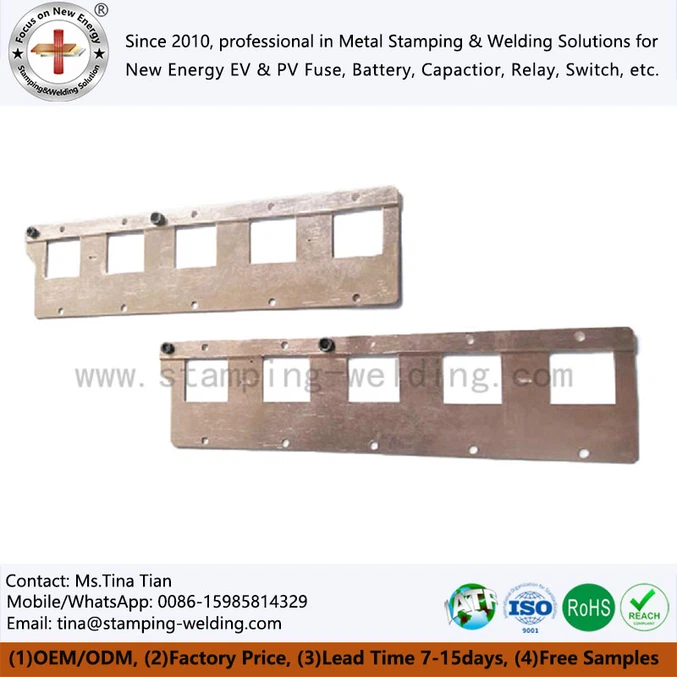
Electrical performance: Precise matching of core parameters
- Current Carrying Capacity and Temperature Rise Control: The busbar cross-sectional area is calculated based on the system's maximum current and short-circuit current to ensure that the temperature rise under continuous load meets the insulation material grade requirements (e.g., ≤60℃). Low-resistance design (e.g., using high-conductivity copper) can significantly reduce power loss and voltage drop, improving system efficiency.
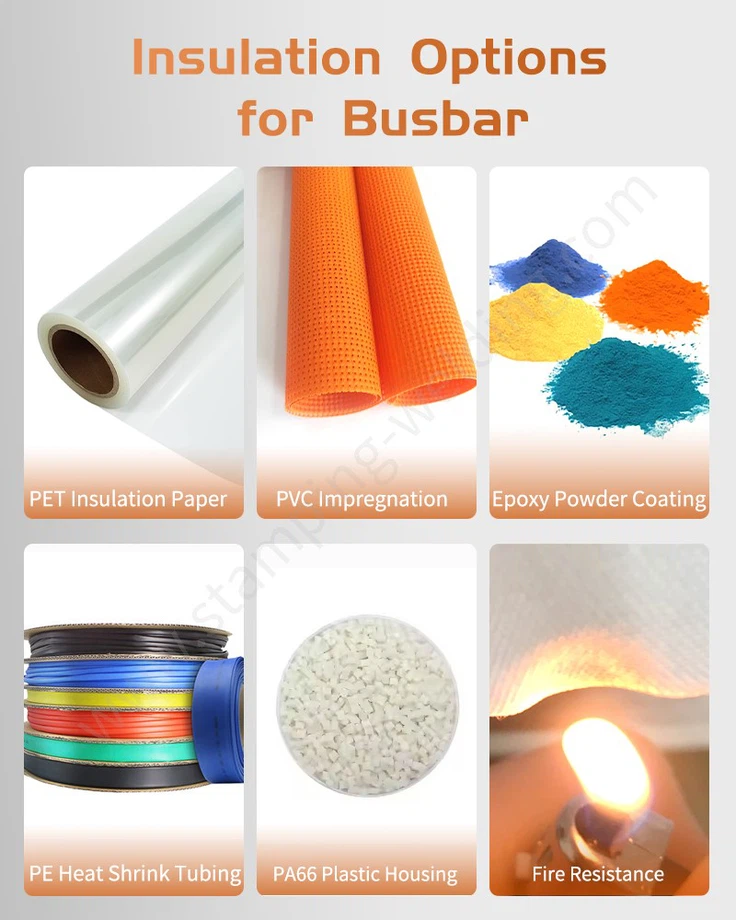
- Voltage and Insulation Design: Insulation spacing and materials are determined based on the system voltage level (e.g., medium voltage, high voltage), following international standards such as IEC 60664 to prevent the risk of arc breakdown. Laminated busbar design can effectively suppress parasitic inductance in high-frequency scenarios such as variable frequency drives, ensuring electrical stability.
- Electromagnetic Compatibility (EMC) Optimization: Electromagnetic interference is reduced through structural layout (e.g., symmetrical arrangement) and shielding measures to ensure reliable operation of the busbar system in complex electromagnetic environments.
Thermal Management: Heat Dissipation Efficiency and Lifespan Guarantee
- Heat Dissipation Path Design: Optimize busbar surface area and cooling method: In natural convection scenarios, flat, wide buses (such as tinned copper bars) offer better heat dissipation performance; in high-density scenarios, forced air cooling or liquid cooling can be used, with thermal simulation analysis to determine the optimal flow path design.
- Enhanced Environmental Adaptability: For high humidity, corrosive gas, or dust scenarios, improve the busbar protection rating (e.g., IP65) and use corrosion-resistant conductors (such as tinned copper bars) or encapsulation technology to extend system lifespan.
Mechanical and structural design: Balancing safety, compactness, and flexibility
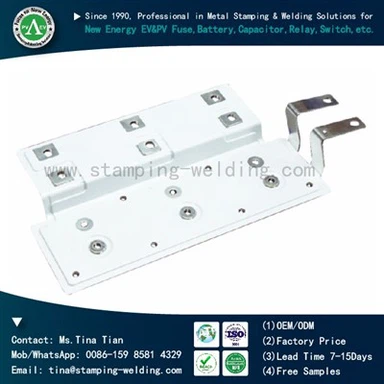
- Mechanical Strength and Short-Circuit Withstandability: Mechanical simulations verify the deformation risk of the busbar under short-circuit electrodynamic forces, ensuring that the structural stiffness meets standard requirements. Flexible bars (such as laminated designs) are suitable for vibration environments, requiring guaranteed bending radius and coating integrity.
- Space-Conscious Design: In space-sensitive fields such as data centers and new energy vehicles, compact busbars (such as Industrial BusBars) maximize space utilization through modular layout and three-dimensional bending technology.
- Installation and Maintenance Friendly: Standardized interface design and pre-installed brackets simplify on-site construction, while detachable structures facilitate troubleshooting and capacity expansion upgrades.

Materials and Costs: The Performance-Economy Balance
- Conductor Selection Strategy: Copper busbars offer high conductivity but are more expensive, while aluminum bars are lighter but require a larger cross-sectional area. Plating selection requires trade-offs: tin plating improves oxidation resistance, while nickel plating enhances wear resistance; the application scenario determines the optimal solution.
- Total Lifetime Cost (TCO) Optimization: Materials with high initial costs may offer better overall economics if they result in lower long-term maintenance costs and improved energy efficiency. For example, high-reliability busbars can reduce system downtime losses due to overheating.

Safety and Standardization: Compliance First, Flexible Expansion
- Safety Compliance: The design must meet regional standards such as GB/T and UL, integrating short-circuit protection and temperature monitoring functions to build an active safety system for busbar.
- Modularity and Scalability: Standardized interfaces and reserved expansion space are adopted to adapt to future power increase requirements and reduce system iteration costs.
Industry Outlook: Innovation Driven by Intelligentization and Green Development
With the development of new energy and intelligent manufacturing, Electric BusBar technology is evolving towards intelligence (such as integrated sensing and monitoring) and greening (such as the application of recycled materials). For example, photovoltaic inverter buses reduce heat loss by optimizing interlayer insulation, while new energy vehicle buses improve range performance through flexible design and lightweight materials. In the future, bus solutions that combine high performance and sustainability will become the mainstream in the market.
Contact Us
If you need to balance electrical performance, thermal management, or mechanical strength in your Electric BusBar design, please feel free to contact us. Our professional team can provide customized solutions to help you overcome technical bottlenecks and improve system reliability.