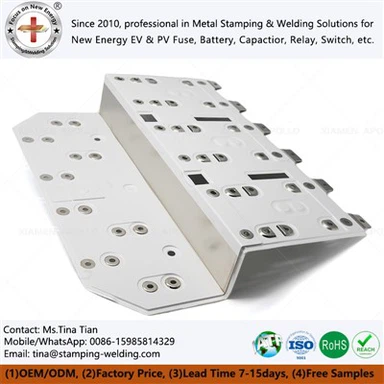
A Comprehensive Analysis of the Production Process of PVC Dipping Insulated Busbar: From Fluidized Bed Coating to Epoxy Curing
May 02, 2026
With the increasing demands on insulation components in electrical systems, PVC-coated insulated busbars are attracting growing attention from power electronics and new energy companies due to their excellent coverage, heat dissipation performance, and environmental resistance. As a mature powder coating process, PVC Dipping Insulated Busbar (also known as fluidized bed PVC coating or powder spraying) involve immersing preheated metal conductors in molten insulating powder, forming a uniform and dense insulating coating on their surface. Epoxy resin powder is commonly used in the industry due to its excellent aging resistance, flame retardancy, and corrosion resistance. The following outlines the complete production process and key technical points of this technology.
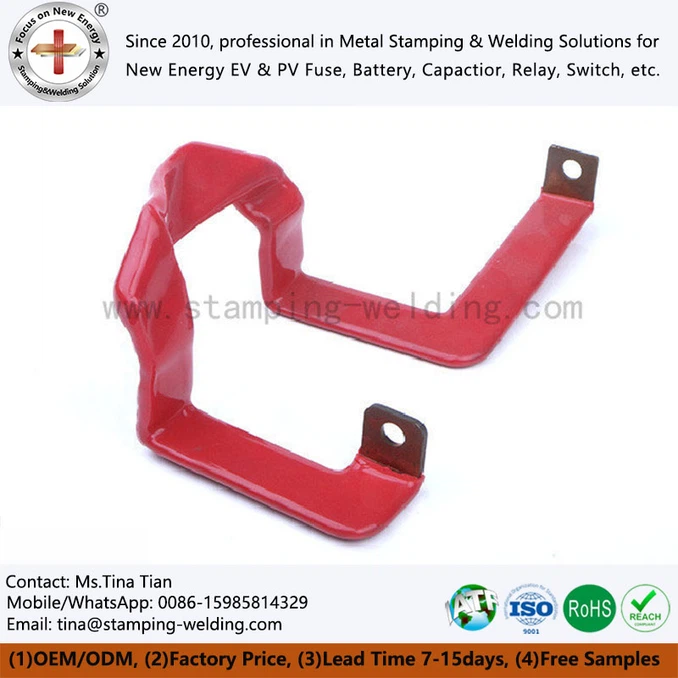
Step-by-step analysis of core production processes
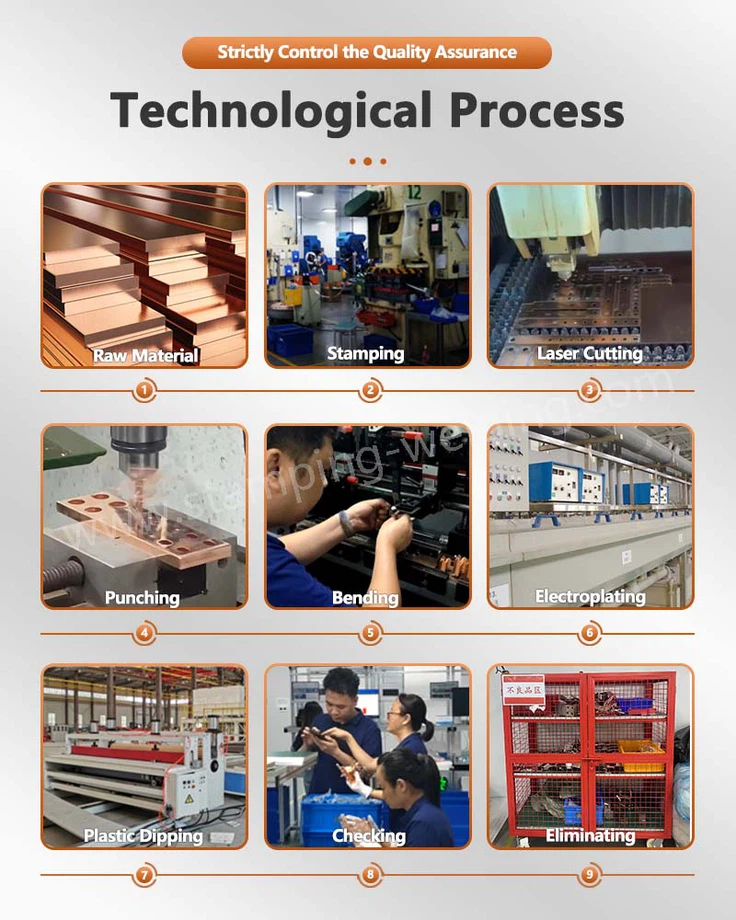
Producing high-quality dip-coated insulation products requires rigorous pretreatment. Copper or aluminum busbars undergo degreasing, rust removal, oxide layer removal, and edge rounding to ensure adhesion between the coating and the substrate. After pretreatment, the busbars are heated to a specific temperature (typically between 200°C and 300°C, depending on the powder characteristics). This step allows the powder to fully melt and adhere to the surface.
Next comes the dip-coating or coating process. The mainstream process uses fluidized bed coating: an airflow suspends epoxy resin powder in a fluidized state, immersing the preheated busbars in it, where the powder instantly melts and adheres to the thermal conductor surface. Hot dip coating can also be used. The coated bars are then placed in an oven for curing, allowing the molten powder to further level and fully cross-link, forming a dense, smooth insulation layer. Finally, the product is cooled to room temperature, and coating thickness and withstand voltage tests are performed to ensure compliance with electrical safety requirements for different voltage levels (e.g., 690V, 1000V and above).
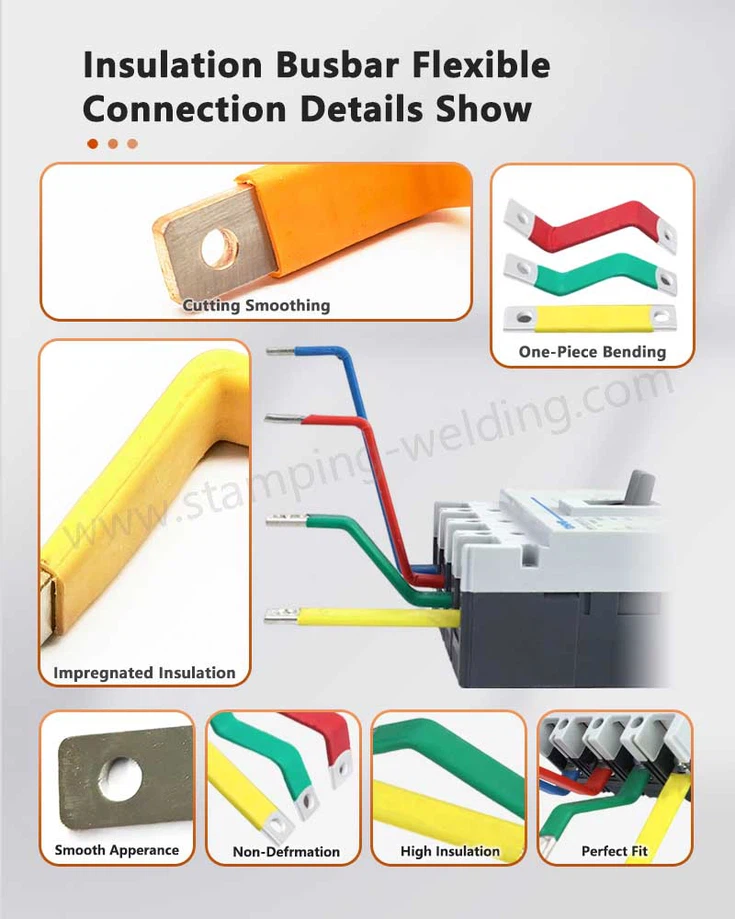
Comparison of process advantages and key technologies
Compared to extrusion (such as PVC) or heat shrink tubing processes, dip-coated insulated busbars are less prone to air bubbles at bends and offer stronger overall coverage, making them particularly suitable for bars with complex shapes or requiring partial insulation. In actual production, uniformly coated PVC busbars can be applied using a similar principle, but dip-coating is more commonly used with epoxy powder coating. For scenarios requiring flexible connections, there are also solutions that use laminated flexible connections followed by dip-coating, such as Insulated Flexible Copper Bus Bars for Power Battery Packs, balancing conductivity flexibility with full insulation protection.
Suitable for various battery and electrical connection scenarios
With the development of electric vehicles and energy storage systems, busbars with different substrates and coatings have placed differentiated requirements on dip-coating processes. For example, tin-coated insulated flat copper bus bars for batteries require tin plating before dip-coating to enhance corrosion resistance and reduce contact resistance. Similarly, PVC-dipping nickel-plated copper bus bars for EV batteries undergo nickel plating before dip-coating to further improve wear resistance and high-temperature oxidation resistance. Furthermore, dip-coating insulation processes are commonly used for battery bus bars connecting battery modules and PVC-dipping insulated battery busbar connectors to achieve high-voltage safety protection.
Key control elements of the production process
In dip coating production, the preheating temperature and dip time must be precisely matched: too high a temperature or too long a dip time will cause powder charring, while too low a temperature will result in insufficient coating adhesion or inadequate thickness. The coating thickness must be strictly controlled to meet the corresponding insulation class. For applications requiring fixed installation, busbar supports must be used to ensure mechanical stability. Furthermore, each PVC dipped insulated bus bar must undergo electrical strength testing after production to ensure there are no pinholes or weak points in the insulation.
summary
Overall, PVC Dipping Insulated Busbar, with their advantages of complete coverage, excellent heat dissipation, adaptability to complex shapes, and high reliability, have gradually become an indispensable insulation solution for high-voltage battery packs, inverters, and power distribution systems. With the continuous upgrading of powder materials and process automation, this technology will see even broader application prospects in the field of new energy power connections.
Contact Us
If you have any questions about the production process or customization requirements of PVC Dipping Insulated Busbar, please feel free to contact us for professional technical support.