Aluminum Busbar Electrical Power Connector: the preferred solution for modern power transmission
Apr 09, 2026
With the rapid growth of electricity consumption in various industries and the continuous emergence of high-rise buildings and large-scale factories and workshops, traditional cables can no longer meet the demand in high-current transmission systems. The parallel use of multiple cables not only brings a lot of inconvenience to on-site installation and construction connections, but also increases system complexity and risk of failure. In this context, Aluminum Busbar Electrical Power Connectors have become the preferred solution in the field of modern power transmission due to their advantages such as high efficiency, safety, and flexibility.
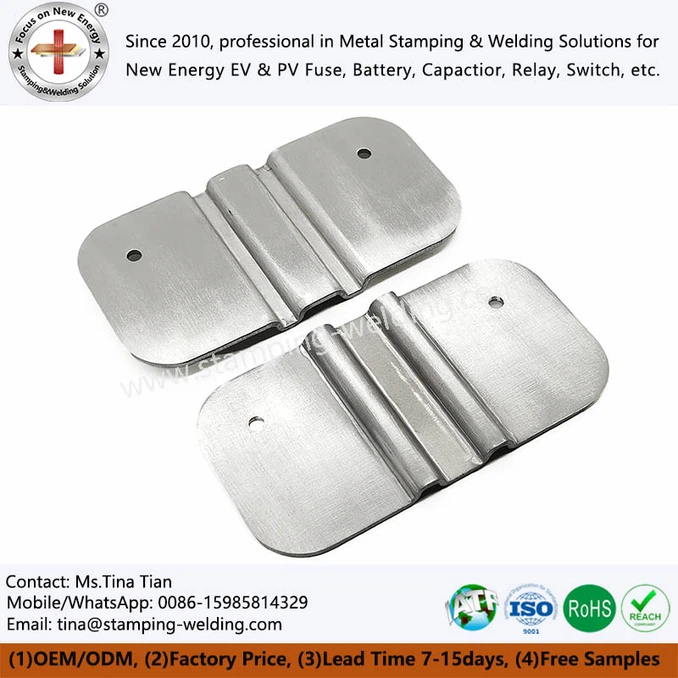
System composition and connection principles
The main line system of the Electrical Aluminum Busbar Flexible Joint is composed of multi-section bus duct units that are plugged and assembled according to the factory number. The core lies in the precise cooperation of the connectors. When two sections of bus ducts are plugged and installed, a gap of about 200mm is usually reserved. Insulating bolts are inserted, bowl-shaped gaskets are inserted, and a torque wrench is used to tighten to ensure uniform pressure on the contact surface. This connection method requires extremely high precision. After tightening, it needs to be checked with a 0.01mm feeler gauge to ensure the tightness and stability of the electrical connection.
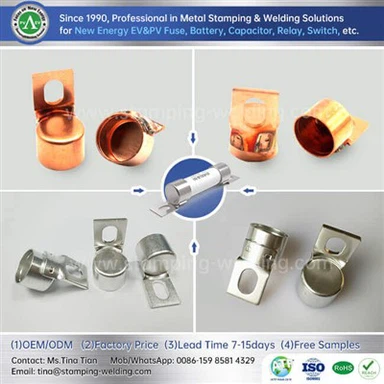
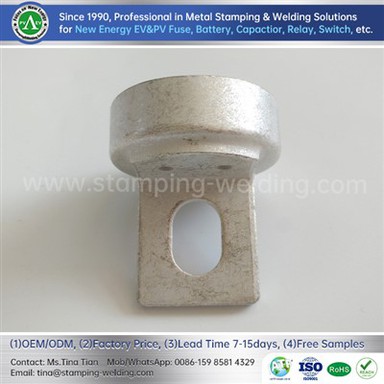
The connector serves as the throat for current transmission, and Aluminium Bus Bars for Cell Connection design directly determine the current-carrying capacity of the system. High-quality connectors usually adopt a bimetal pin structure and are silver-plated on the surface, which not only ensures long-lasting contact pressure but also significantly reduces contact resistance and prevents excessive temperature rise due to oxidation. In addition, the busbars at the beginning and end of the system need to be accurately inserted into the corresponding beginning boxes and terminal boxes and fixed through covers to form a closed and safe power transmission channel.
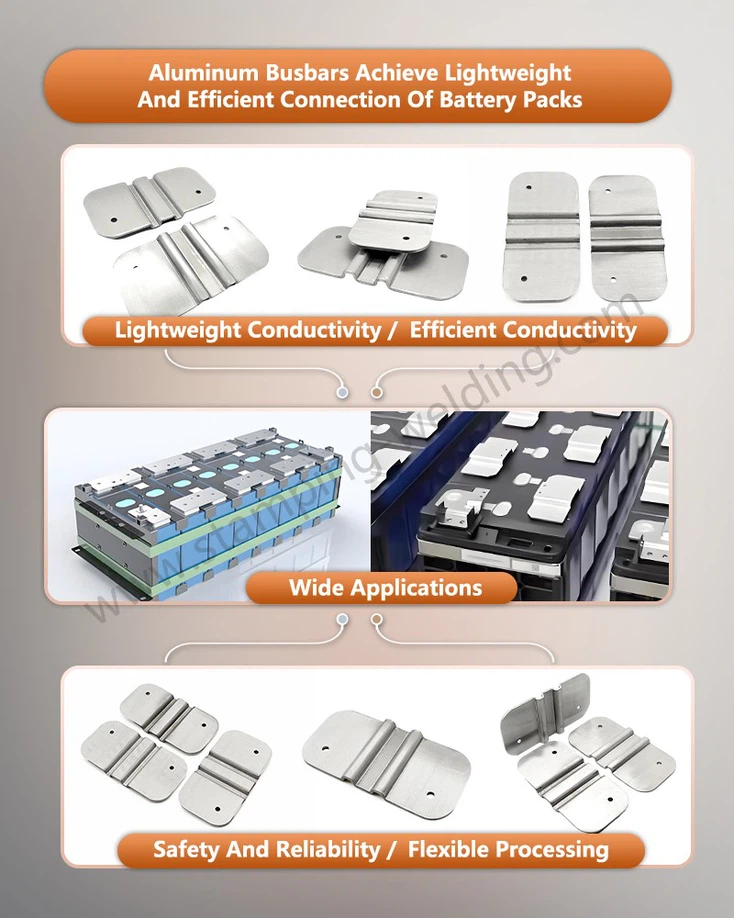
Installation process and support specifications
The installation quality of the Aluminium Bus Bars for Cell Connection is directly related to the operational safety of the system. In an indoor environment, if the feed bus duct and plug-in bus duct are horizontally oriented, a support point must be set up every 1.8m to 2.5m according to the current size; while in a vertical direction, a spring support must be set up every 4.88m to release the tensile force caused by thermal expansion and contraction. For outdoor installation, considering wind load and environmental factors, the support spacing is usually tightened to 1.5m.
Before powering on, the busway system must undergo rigorous phase and connectivity tests. The inspection of ground resistance and insulation resistance is crucial. A 1000V or 500V megohmmeter is usually used to measure the cold insulation resistance, and each section is required to be no less than 20MΩ. This rigorous testing process ensures that the aluminum alloy busway has sufficient insulation strength and grounding reliability before the Aluminum Flexible Connections are put into operation, and can effectively respond to sudden electrical faults.
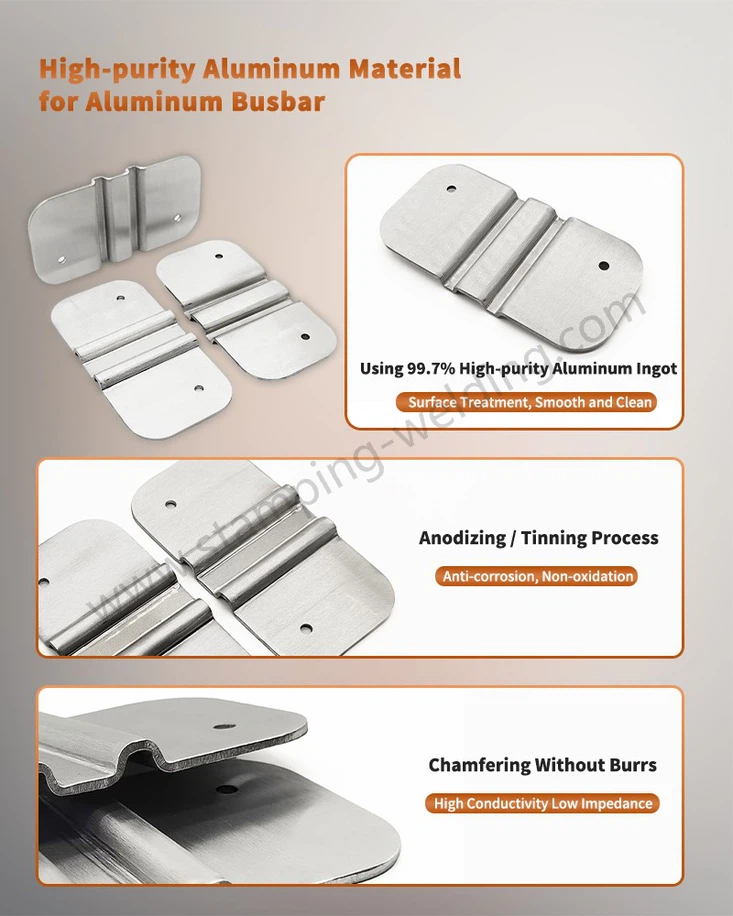
Operation, maintenance, and safety protection
Aluminium busbar manufacturers will experience hot and cold cycles during long-term operation. The insulation layer will expel moisture when it expands due to thermal expansion, and inhale moisture when it shrinks. This "breathing effect" may cause the insulation quality to decrease and the joints to loosen and oxidize. Therefore, regular maintenance inspections are key to ensuring the life of the system. Key points of inspection include the integrity of the ground conductor. As the lifeline of the system, the ground path must be reliable to provide the shortest leakage path in the event of a ground short circuit.
Modern busway designs often adopt a "sandwich" structure, which takes advantage of the heat resistance of insulating materials and the non-magnetic nature of aluminum alloy shells to greatly improve the dynamic and thermal stability of the system, allowing 6061 aluminum bus bars to withstand higher short-circuit peak currents. Especially in corrosive environments such as chemical plants, the application of aluminum alloy shells or epoxy resin castables can effectively resist the erosion of acid rain and corrosive gases, ensuring the long-term stable operation of electrical products.
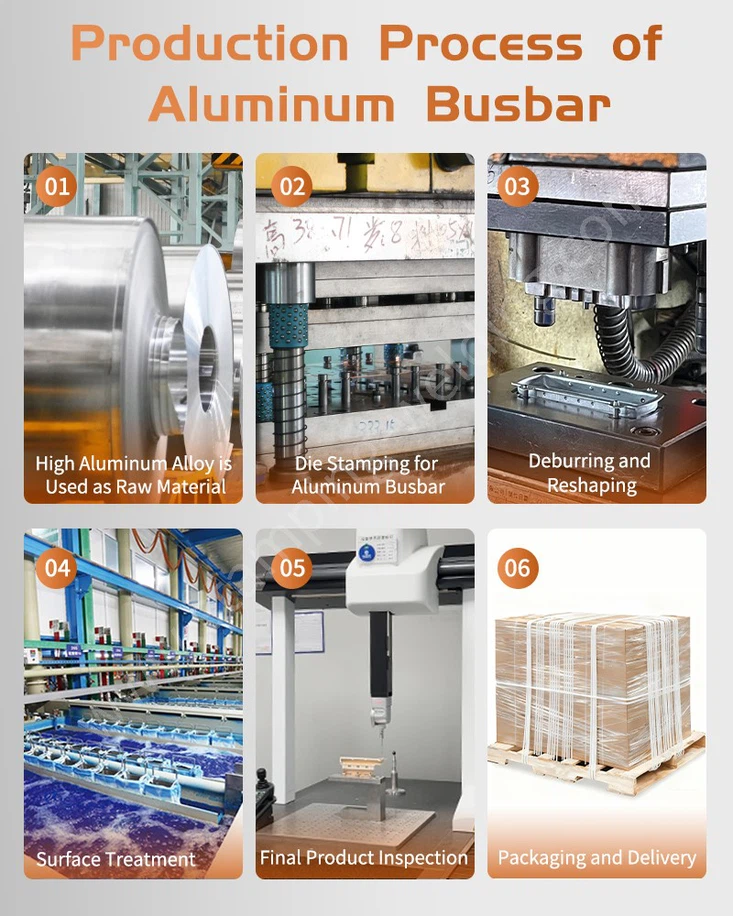
Contact us
Our Aluminum Busbar Electrical Power Connector can effectively absorb vibration and thermal expansion stress. And we strictly follow international standards for manufacturing. When you choose us, you choose a future of reliable, efficient, and safe power transmission.