Analysis of core knowledge of industrial electrical cabinets
May 20, 2026
Main components
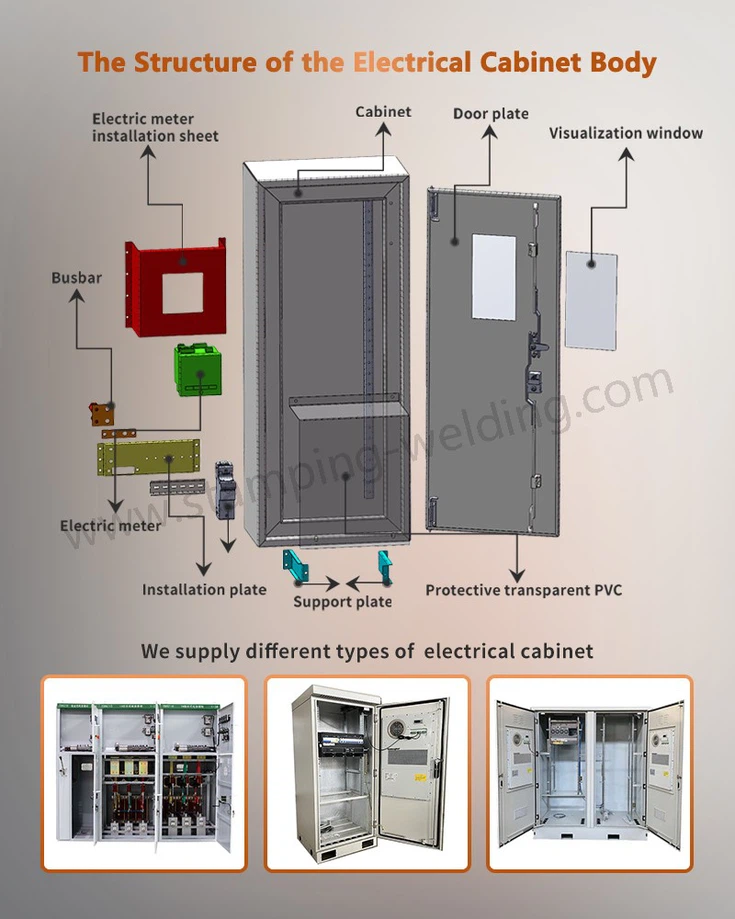
As the core equipment of industrial automation and power distribution systems, the structural design of electrical cabinets is directly related to operational safety and reliability. The main components of the electrical cabinet can be summarized as four modules: basic frame structure, core electrical components, safety protection devices and auxiliary systems. Among them, the basic frame usually uses cold-rolled steel plates (thickness 1.5- 2.5 mm) or stainless steel materials (suitable for corrosive environments), with standard dimensions such as 800×600×2000mm (width×depth×height), and strictly follows the IEC 61439 specification.
The interior of the cabinet is equipped with 35mm standard DIN rails for fixing modular components such as circuit breakers and contactors. It is also equipped with a copper bar grounding system (the cross-sectional area is not less than 50 mm², in accordance with GB 7251.1) to ensure the safety of equipment and personnel. According to the IEC 60529:2013 standard, most industrial scenarios require the cabinet protection level to reach IP54 or above to effectively resist the intrusion of dust and splashing water. For outdoor electrical cabinets, the protection level usually needs to be improved to IP65 or higher to cope with sunlight, rain and temperature changes. In addition, the design of electrical enclosure cabinets also needs to consider impact resistance and corrosion resistance, especially in chemical plants or coastal areas. Although electrical cupboards are often used in small indoor power distribution scenarios, their frame structures must also comply with similar mechanical strength requirements to ensure long-term stable operation.
Function configuration
The electrical components integrated inside the electrical cabinet are the key to realizing control and power distribution functions. The power distribution unit mainly includes circuit breakers and contactors: the rated current of the circuit breaker covers 6A to 630A (such as common industrial-grade series products), the breaking capacity can reach 50kA, and is used for overload and short-circuit protection; the contactor coil voltage is usually 24VDC or 220VAC, which is suitable for motor control circuits that frequently start and stop. The control module is represented by a programmable logic controller (PLC) and a frequency converter. The PLC collects signals and outputs instructions through the I/O module.
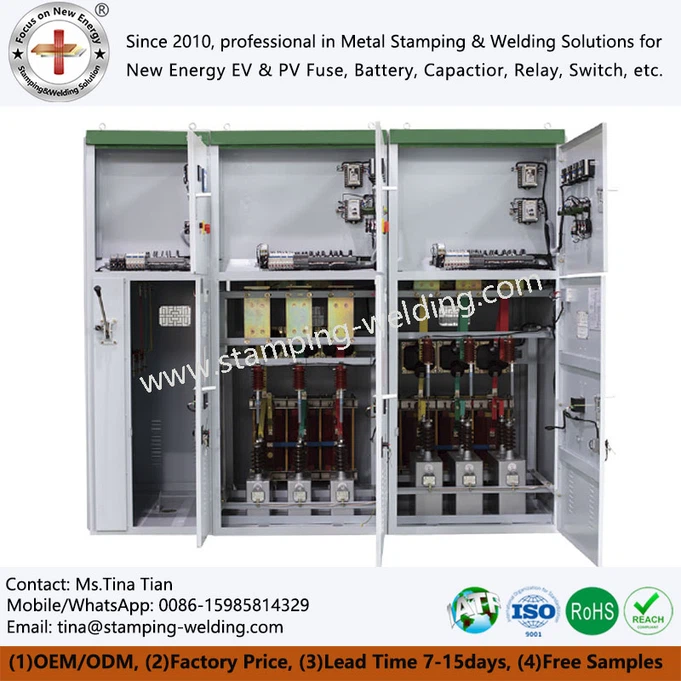
The response time is usually less than 10ms; the frequency converter is used to adjust the motor speed, and the control accuracy can reach ±0.5%. In grp electrical enclosures (glass fiber reinforced polyester cabinets), the selection of internal components also needs to consider weather resistance and corrosion resistance, and is suitable for outdoor or humid environments. The overall heat dissipation design of electrical cabinets and enclosures directly affects component life, so high-power inverters and PLCs are usually placed close to ventilation openings or cooling fans. For switching cabinets, the arrangement spacing between circuit breakers and isolating switches must meet electrical clearance and creepage distance requirements to avoid phase-to-phase short-circuit faults.
Application scenarios
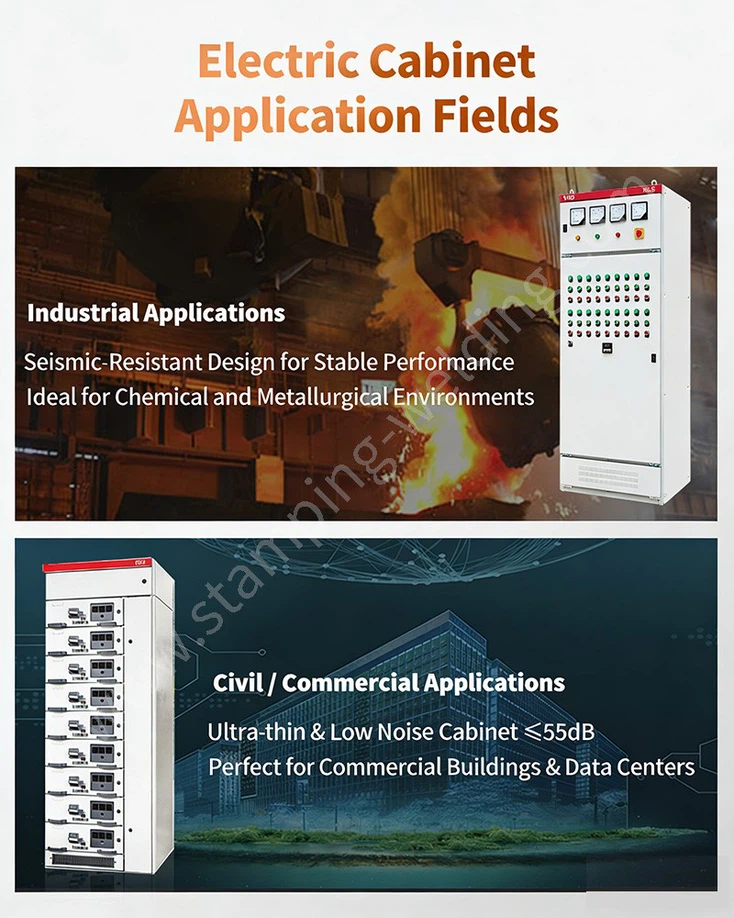
There are obvious differences in the performance requirements of electrical cabinets in different industrial scenarios. Scientific selection strategies need to comprehensively consider multiple factors such as environmental conditions, load characteristics, protection levels, and future expansion needs. For ordinary industrial automation production line scenarios, the cabinet is mainly used to install controllers, frequency converters and low-voltage power distribution components. Using 10% off profiles of regular thickness and standard accessories can meet the usage needs. This type of configuration achieves a good balance between cost and performance. For outdoor communication base stations, equipment sites in coastal areas, and new energy power generation sites, priority must be given to environmental adaptability indicators such as waterproofing, salt spray resistance, and ultraviolet resistance. High-protection-level profiles with special anti-corrosion treatments on the surface should be selected, and rubber gaskets and door lock systems with excellent sealing performance should be selected.
For heavy-duty industrial equipment scenarios, such as high-power motor control centers or power distribution systems in the metallurgical industry, it is necessary to use 13-fold or 16-fold profiles as the main frame and at the same time, use thickened reinforced square tubes to increase the overall load capacity and ensure that the cabinet will not affect the normal operation of internal components due to structural deformation during long-term operation. In the selection practice, the protection level of the electrical cabinet outdoors is usually required to reach IP55 or IP65, and the door lock system must be equipped with a reliable key for the electric box mechanism to prevent misuse by unauthorized personnel. At the same time, the compatibility of profiles and accessories is also an important factor affecting assembly efficiency. The uniformly supplied profiles and accessories have smaller dimensional errors and require no additional polishing and adjustment during the installation process, which can effectively shorten the project delivery cycle.
Summary
The overall performance of the electrical cabinet not only depends on the quality of the core frame and main components, but also the fitting accuracy and functional integrity of various auxiliary accessories cannot be ignored. From cabinet seals and door lock hinges to internal cable management racks and mounting brackets, each accessory plays a key role in a specific functional dimension. For example, the material and compression rate of the cabinet door sealing strip directly affect the actual IP protection level, while the mechanical strength and anti-pry design of the door lock system are related to the personal and property safety during the operation of the equipment. In industrial site management, the versatility and management convenience of electrical cabinet keys are also the focus of the operation and maintenance team. The standardized key system helps reduce the complexity of key management in multi-cabinet scenarios. In addition, the tolerances of profiles and accessories directly determine the structural accuracy of the cabinet after assembly.
High-quality suppliers usually control the straightness error of profiles within 0.5mm per meter and the cross-sectional size tolerance within ±0.2mm, thereby ensuring that accessories can achieve a tight fit without secondary processing during installation. From the perspective of industry standards, the design and manufacturing of electrical cabinets must meet the requirements of multiple specifications such as IEC 61439, GB 7251.1 and EN 61439-2. These standards have clear technical definitions for the insulation performance, temperature rise limit, short-circuit withstand strength and protection level of the cabinet, and are an important basis for project acceptance and quality traceability.
contact us
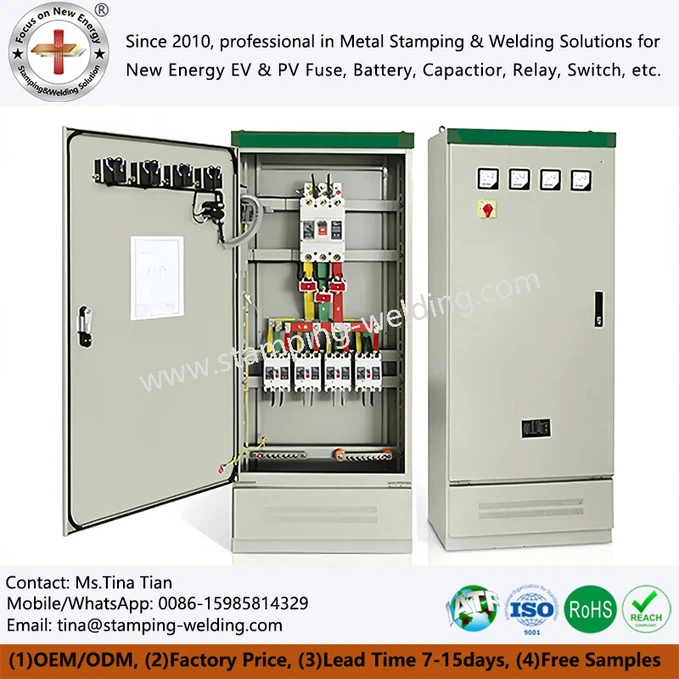
Our company has mature product lines and rich project experience in the field of industrial electrical cabinet, and can provide customers with one-stop solutions from profile processing to full cabinet assembly. Customers with relevant needs are welcome to contact us to obtain professional technical support and product consultation.