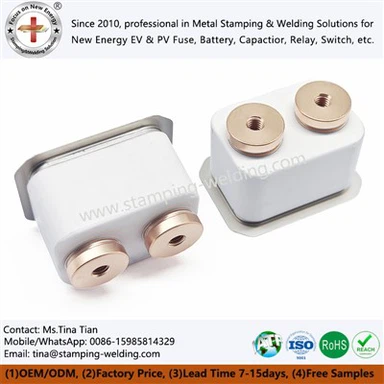
Knowledge analysis of the power cabinet industry
May 19, 2026
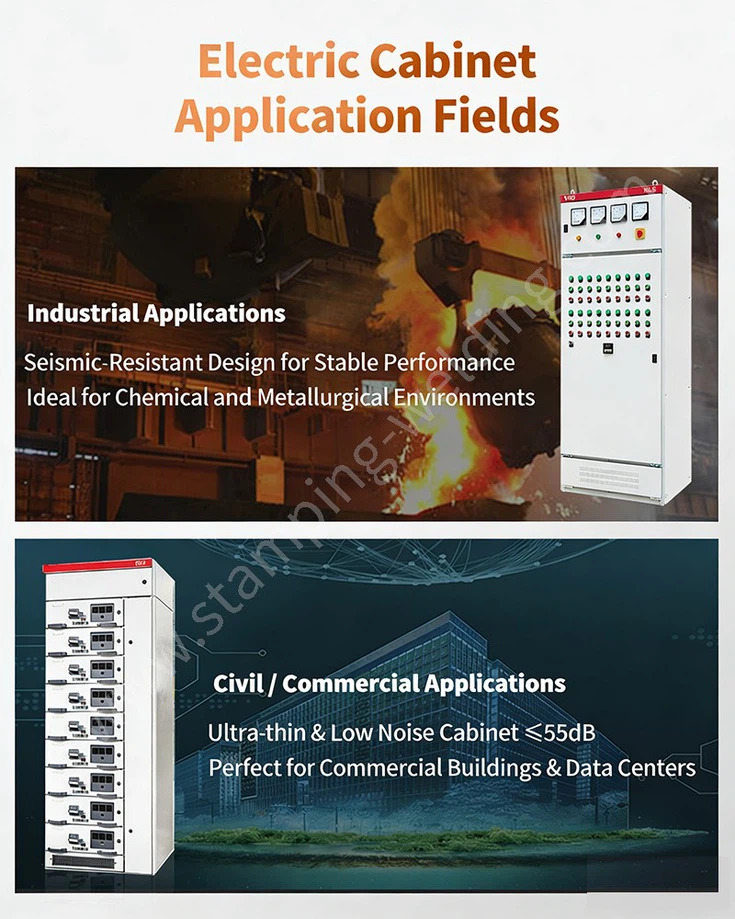
As one of the core pieces of equipment of the power distribution system, the power supply cabinet is widely used in various scenarios such as industrial production, commercial buildings, data centers, and new energy stations. Its core role is to achieve stable distribution of electric energy, control and safety protection of equipment, and is a key hub to ensure the normal operation of the power system. Correct operation and standardized use of power cabinets can not only effectively extend the service life of equipment and reduce equipment failure rates, but also avoid power failures and safety hazards, and ensure the safety of personnel and equipment. Among them, the power supply cabinet is a general core category that is suitable for various power supply scenarios, while the metal electrical cabinet has become the mainstream carrier of power cabinets due to its excellent structural strength and protective performance, providing reliable protection for internal electrical components.
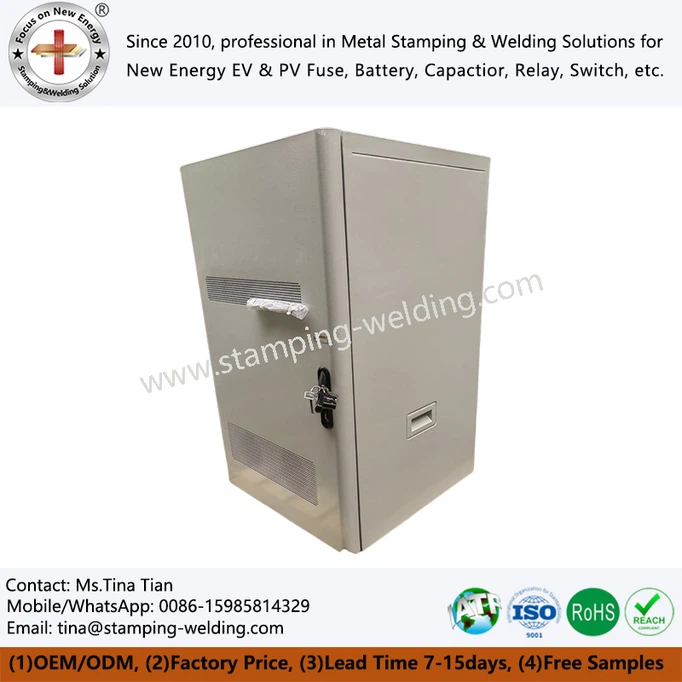
working principle
The working principle of the power cabinet is based on the power distribution and control requirements of the power system. Its core function is to receive electric energy from the power grid or backup power supply, complete the redistribution and status control of electric energy through the internal bus system, switching equipment and protection devices, and finally deliver electric energy that meets the voltage, frequency and waveform requirements to terminal electrical equipment. In this process, the power supply cabinet must have complete power protection functions, including overload protection, short-circuit protection, undervoltage protection and ground fault protection, forming a multi-level linkage safety protection system. Modern smart power cabinets also integrate monitoring and metering functions. Through the distributed layout of cabinet power outlets, refined management of the energy consumption of each branch is achieved. The modular design of in-cabinet power outlets facilitates the flexible increase or decrease of power supply ports according to load changes, improving the expansion flexibility of the power distribution system.
Based on the three basic needs of power distribution, control and protection in the power system. It receives electric energy from the upstream power grid or backup power supply, and safely and reliably transmits the electric energy to the terminal electrical equipment through the internal distribution bus, protective appliances and control components. During this process, the power supply cabinet must implement overload protection, short-circuit protection, leakage protection and over-voltage protection functions for electric energy to ensure the safe and stable operation of the power system under various working conditions.
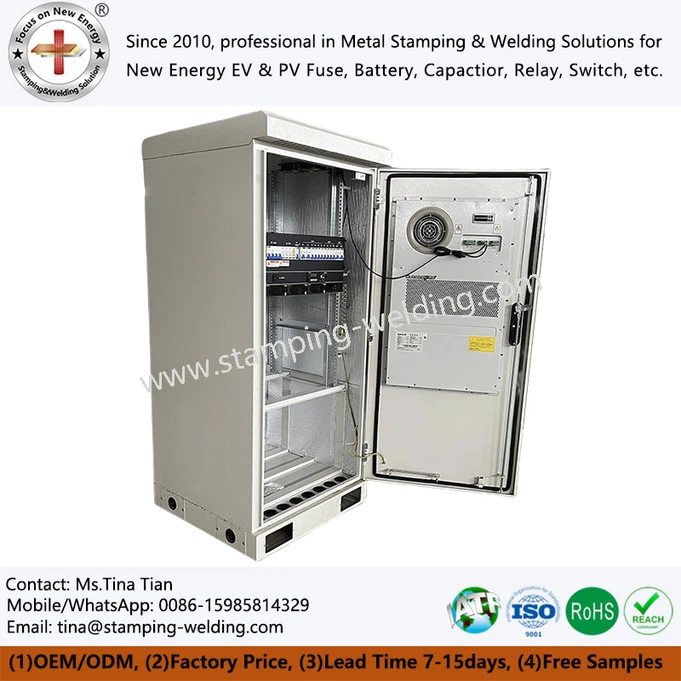
structural composition
From the perspective of structural composition, the power cabinet is a highly integrated electromechanical device. As the core executive element, the circuit breaker is responsible for the on-off control and overload and short-circuit protection of the circuit; the isolating switch is used to form a visible break during maintenance and repair to ensure the safety of workers; the grounding switch provides a reliable grounding protection path; the instrument and secondary control equipment collect operating parameters such as voltage, current, power and power factor in real time to provide data support for operation and maintenance decisions. In addition, modern power cabinets are also equipped with surge protectors, reactive power compensation devices and harmonic control modules to improve power quality. In terms of operational convenience, the rational layout of the cabinet electrical outlet facilitates quick access to test instruments, while the pull-out structure of the cabinet drawer electrical outlet makes the replacement and maintenance of functional modules more convenient, significantly shortening downtime.
The circuit breaker is used for normal on-and-off operation of the circuit and automatic breaking protection in the case of overload and short circuit; the isolating switch is mainly used to form an obvious electrical disconnection point to isolate the power supply during power outage maintenance; the grounding switch is used to reliably ground the main circuit during equipment maintenance to prevent accidental power transmission damage; instruments and control equipment are used to monitor operating parameters such as voltage, current, power factor, and electric energy in real time, and can control the switching equipment locally or remotely. These components are organically combined according to the logical relationship between the primary circuit and the secondary circuit to jointly complete the power distribution, control and protection functions of the power cabinet. The internal battery management system (BMS) of the lithium-ion battery cabinet has a collaborative relationship with the protection logic of the power cabinet. When over-temperature or over-current occurs on the battery side, the power cabinet should be able to receive the signal and perform a quick disconnection.
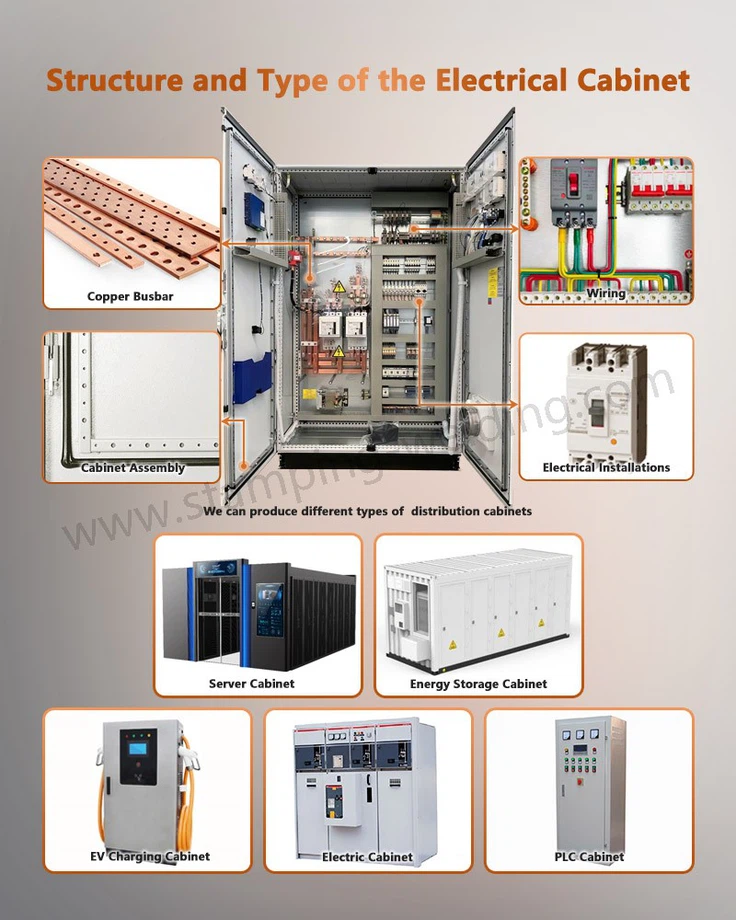
Application features
The power cabinet has three outstanding application characteristics: flexibility, reliability and safety. Flexibility is reflected in the power cabinet's ability to be customized according to different power system requirements, including rated current level, number of outlet circuits, protection level and installation method, etc., which can meet the requirements of diverse scenarios from small workshops to large data centers. Reliability is reflected in the fact that the power cabinet is equipped with a complete protection level, and there is selective protection cooperation between the main incoming line and each branch, which can effectively prevent local faults from expanding into system-level power outages. Safety is one of the core features of power cabinets. Through reliable grounding systems, insulation barriers, interlocking mechanisms and warning signs, the personal safety of operators is ensured during normal operation or troubleshooting.
In terms of selection, the selection of power cabinets needs to be determined based on actual working conditions, including power supply voltage level, total load capacity, short-circuit capacity, installation environment (indoor or outdoor, whether there is corrosive gas or dust), and safety requirements. When making specific selections, it is also important to consider the rated current and breaking capacity of the incoming circuit breaker, the current-carrying capacity and dynamic thermal stability of the busbar, the number of outgoing circuits and the reserve margin. The selection logic for electrical storage cabinets is similar, but focuses more on the ventilation and heat dissipation design and fire protection configuration of the battery compartment to prevent the risk of thermal runaway.
contact us
We support full-cycle services from small-batch customized proofing to large-scale mass production. Engineering customers who have purchasing needs for 4 usb port cabinet structural parts, electrical cabinets and power equipment casings are welcome to contact system integrators to discuss and obtain detailed technical specifications and customized solutions.