


Analysis of tinned copper busbar industry knowledge
May 23, 2026
Tinned copper busbar is a core conductive component widely used in electrical systems. As an important derivative of copper busbar, it uses high-purity copper as a base and is covered with a uniform layer of tin on the surface through a professional tin plating process. It combines the excellent conductive properties of copper with the anti-oxidation and welding-facilitating properties of tin. It plays an irreplaceable role in many fields such as power transmission, distribution systems, and new energy. With the upgrading of the power industry and the rapid development of new energy technology, the quality requirements of tinned copper busbars continue to increase, and its application scenarios continue to expand. The tinned category in Low Voltage BusBar is an indispensable key material in the low-voltage distribution system, which directly affects the stable operation of the entire electrical system.
Copper itself has excellent electrical and thermal conductivity, but it is easily oxidized in the air and forms a non-conductive oxide layer, thus affecting the long-term stability of the connection point. The core function of the tin layer is to isolate the direct contact between the copper substrate and the air, delay the oxidation process, and significantly improve the welding performance.

Material advantages
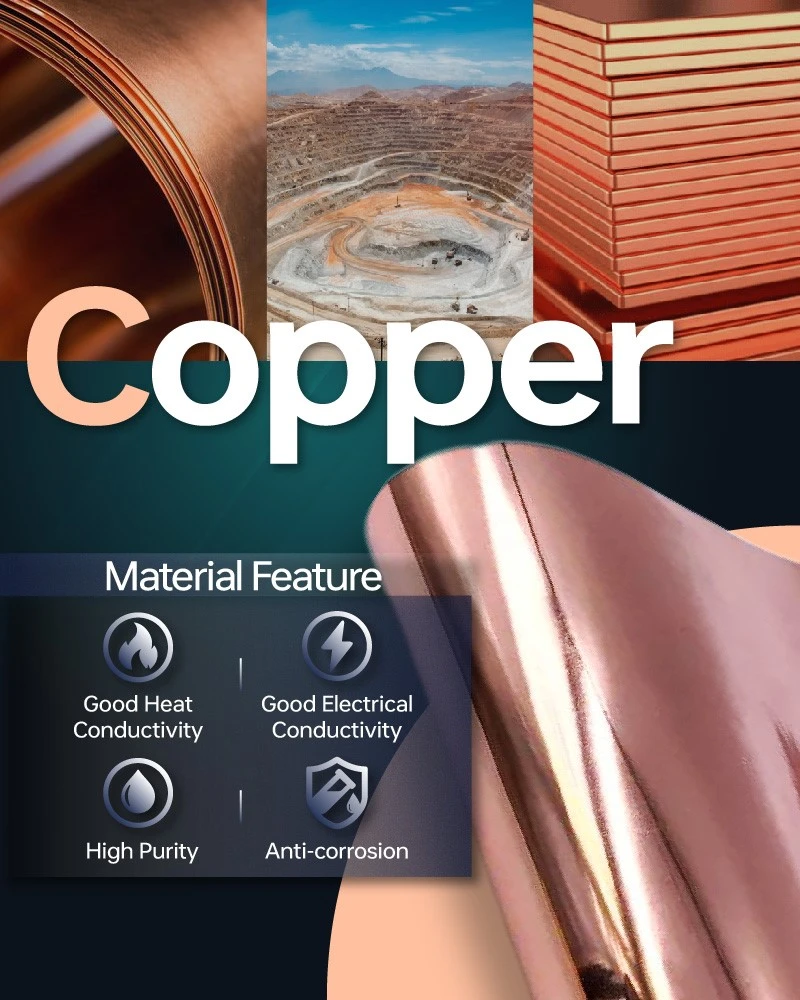
The core composition of the tinned copper busbar is divided into two parts: the base body and the tin layer. The two work together to ensure conductive performance and improve protection capabilities. The base material is made of high-purity copper, with purity usually reaching over 99.9%. Some high-end products can use T2 copper (copper content ≥99.9%) to ensure that the material has extremely low resistivity (≤0.0178×10⁻⁶Ω.m) and excellent conductivity (≥56Ms/m), providing a basic guarantee for large current transmission. This is one of the core advantages of tinned copper busbars that distinguishes them from ordinary copper busbars. As a protective layer, the thickness of the tin layer is generally between a few microns and tens of microns. It must evenly cover the surface of the copper substrate without defects such as scorching, pitting, blistering, and peeling. The thickness must be no less than 5 μm to effectively play a protective role. Tin has a low melting point, about 232 degrees Celsius. It can melt quickly during the welding process and form a solid connection with other metals. At the same time, the tin layer can also isolate the copper matrix from contact with the air, delay the oxidation process, avoid the formation of a non-conductive oxide layer, ensure connection stability, and is suitable for various AC power distribution scenarios of AC BusBar.
production process
From the perspective of the production process and technical points, the manufacturing process of tinned copper busbars includes multiple key links. The first is the pretreatment of the copper base material, and the copper material is processed to the required size through cutting, straightening and other processes. Surface cleaning is then performed to remove oil stains and oxides. Commonly used methods include acid cleaning, alkali cleaning and ultrasonic cleaning. The cleaned copper material enters the electroplating tank, and tin ions are deposited on the copper surface under the action of electric current; another hot dipping process is to immerse the copper material in molten tin liquid and form a plating layer through physical adhesion.
During the electroplating process, the current density, plating bath temperature and pH must be strictly controlled to ensure that the tin layer is uniform and free of pores. A coating that is too thin may result in insufficient protection, while a coating that is too thick may cause brittleness. After tin plating is completed, the busbar needs to be washed, dried and quality tested. Test items include coating thickness measurement, adhesion test and conductive performance verification. These process control points are critical to the product consistency provided by Low Voltage BusBar and Copper BusBar Suppliers, as even minor plating defects can cause localized overheating or increased contact resistance during field operation.

application scenarios
In terms of application scenarios and scope of application, tinned copper busbars are widely used in low-voltage power distribution systems, transformer connections, internal wiring of switchgear and other fields. In industrial plants, it is often used as the main busbar in the distribution cabinet to distribute electrical energy to various branches. In the field of new energy, for example, in the combiner boxes of photovoltaic power stations, tinned copper busbars are used to collect direct current generated by solar panels; this material is also widely used in electric vehicle charging facilities to undertake large current transmission tasks. When selecting tinned copper busbars, consider the current size, environmental conditions and connection method.
For places with frequent vibrations, the tin plating layer can help prevent loose connections; in coastal areas, its corrosion resistance is particularly important. Special clamps should be used during installation to ensure that the contact surface is flat and clean. Some special shape requirements can be achieved through bending or punching processing, which is similar to the design concept of PCB Bus Bars, which is to achieve reliable electrical connections in compact space through precise geometric configuration. In battery packs and energy storage systems, the selection of Positive and Negative Bus Bars will also give priority to the tin plating process to ensure the contact stability of the positive and negative busbars in long-term operation.

contact us
If you need engineering drawing confirmation, sample trial production or batch supply, please contact our technical team. We will provide a matching Galvanized busbar solution based on the voltage level, current carrying capacity and environmental conditions of your power distribution system.


