Analysis on the application of copper stamping parts in the chemical polishing of copper materials
May 16, 2026
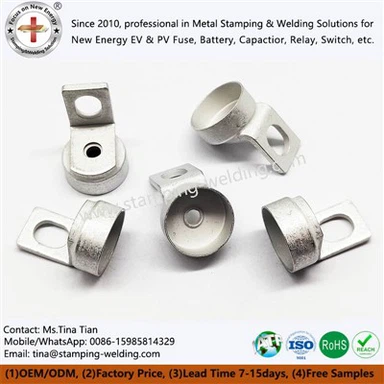
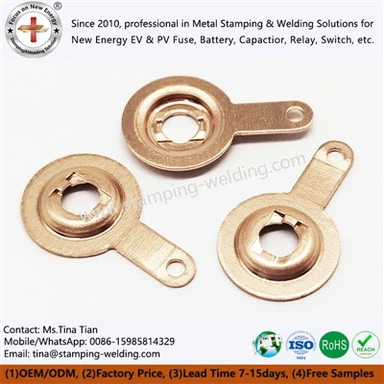
Copper stamped parts are widely used in the fields of electronic components, power equipment and decorative products due to their excellent conductivity and ductility. As common Copper Pressed Components, their surface quality directly affects product performance and service life. As a key process to improve the surface quality of copper, chemical polishing of copper forms a complementary effect with stamping technology. Oil and oxides easily adhere to the surface of stamped copper parts. Copper chemical polishing liquid can effectively remove impurities, significantly improve the surface gloss of copper parts, and achieve a mirror effect.

Typical process flow
The basic process of chemical polishing of copper stamping parts needs to follow standardized operations to ensure the polishing effect and product quality: the pretreatment stage includes oil removal, pickling, degreasing and rinsing to completely remove oil stains and oxide layers on the surface of the workpiece, laying the foundation for subsequent polishing; in the chemical polishing stage, the workpiece is immersed in preheated Put it in the polishing solution at 45-50°C for 1-4 minutes (red copper needs to be maintained at a higher temperature) to form a brown oxide film on the surface of the workpiece; in the film removal stage, use 5-8% sulfuric acid solution or a special film removal solution to soak for 8-15 seconds to remove the oxide film and then rinse to complete the overall polishing process.

Thickness selection of copper stamping
Copper is soft and tough, and the Copper Pressed Stamped Parts process is similar to shaping operations. The stamping thickness is affected by many factors such as process and material status. Under the ordinary stamping process, the thickness of a single punch is usually 0.5-3mm, and the thickness of the continuous die stamping can be up to 5mm. Extra-thick plates need to be preheated. If the thickness exceeds 6mm, a special process is required. For drawn parts such as cups and shells, the thickness selection needs to take into account both the molding effect and the product. Product performance, the thickness retention rate can reach 90% during shallow stretching (3mm raw materials can be made into 2.7mm finished products), and the thickness may be reduced to 1.5mm after repeated processing in deep drawing. The laboratory has used special lubricants to achieve 8mm ultra-thick stretching, breaking through the conventional thickness limit.
There are three main core factors that affect the thickness of Precision Copper Stamping Parts: In terms of material state, annealed copper is 30% more ductile than hard copper, making it easier to achieve thicker specification stamping; in terms of mold design, the tapered die has a 15% thickening capacity compared to the right-angle die, and optimizing the die structure can improve thickness adaptability; in terms of speed control, slow stamping of 3mm per second can increase the thickness limit by 20%, and reasonable control of the stamping speed can break through the thickness limit.

Optimization suggestions
In terms of process optimization, large-area Copper Stamped Custom Metal workpieces need to be placed upright and avoid overlapping, and small pieces are shaken using a mesh basket to prevent uneven polishing and ensure consistent surface effects of each product; in terms of waste liquid management, copper-containing waste liquids need to be recycled and processed in a centralized manner to avoid direct discharge, taking into account environmental protection requirements and resource recovery; in terms of storage conditions, the polishing fluid needs to be stored in the dark (temperature ≤ 45°C), and the validity period is usually 12 months to avoid improper storage affecting the polishing effect.
contact us
We focus on the R&D and production of China Copper Stamping Metal Parts products, covering a full range of products, and can provide customized solutions. Relying on mature stamping and chemical polishing processes, we strictly control product quality, accurately match the needs of electronics, electricity, decoration, electrical appliances and other industries, and provide customers with high-conductivity, high-precision, and high-stability copper stamping-related products and technical support.