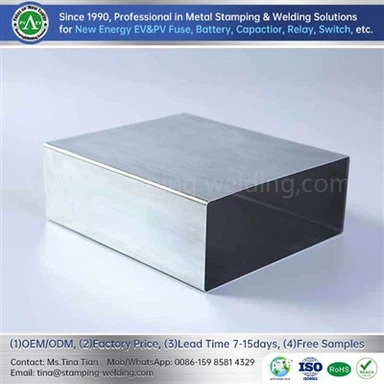
Common problems and causes analysis and solutions for cleaning Stamping 304 stainless steel
Mar 10, 2026
Analysis of the problem of excessive consumption of cleaning agents
In the production of Stamping 304 stainless steel, there are often problems of rapid consumption of cleaning agents and high usage costs, with the core causes concentrated in two aspects: cleaning tools and process details.
One reason is that the cleaning basket is not selected properly, and the mesh density is too low, which will carry a large amount of cleaning solution during the workpiece cleaning process, resulting in the loss of cleaning agent carried out with the workpiece; The second issue is the lack or insufficient duration of the draining process after cleaning, which makes it difficult to effectively recycle the residual cleaning solution in the cleaning basket, further increasing the consumption.
The corresponding solution is to prioritize replacing with a suitable 304 stainless steel punching dedicated cleaning basket, optimizing the mesh density to reduce the amount of cleaning solution carried out; At the same time, standardize the process flow, appropriately extend the draining process time, or install cleaning solution recovery equipment to achieve waste liquid recycling and reuse, effectively reducing the loss of cleaning agents.

Drying is slow and there are residual issues on the surface
The slow drying speed, residual water stains or dirt on the surface of Stamping 304 stainless steel after cleaning are mainly due to the inadequate performance of the drying equipment. Ovens and dryers used on production sites for a long time are prone to problems such as component aging, temperature control failure, and poor hot air circulation, which cannot reach the standard drying temperature and wind speed, resulting in the inability of moisture on the surface of the workpiece to evaporate quickly and form residues.
To solve this problem, it is necessary to carry out daily operation and maintenance of the equipment, regularly inspect the drying equipment, check for aging Stainless steel stamped parts, and maintain them in a timely manner. If the equipment is severely damaged and cannot meet the drying needs, it is necessary to replace it with a new one in a timely manner to ensure the efficiency and effectiveness of the drying process and eliminate surface residue problems.

The problem of residual fingerprints on the surface of the product
After cleaning, there are obvious fingerprints on the surface of Stainless metal stamping, which is the most common human operation problem on the production site. The root cause is that during the processing, transportation, and cleaning process, the operator directly contacts the workpiece with bare hands, and sweat and grease adhere to the stainless steel surface. Conventional cleaning is difficult to completely remove, forming stubborn fingerprint marks.
To solve this problem, strict implementation of production operation standards is required, and bare hands are strictly prohibited from touching Stainless steel sheet metal stamping. It is required that all processes that come into contact with the workpiece require operators to wear specialized nitrile gloves throughout the entire process, and regularly replace gloves and finger cots to prevent hand stains from contacting the product from the source, ensuring that the surface of the workpiece is clean and fingerprint free.
After cleaning, white ash and white marks appear on the surface
After cleaning OEM stainless steel stamping parts, stubborn residues such as white ash and white marks appear on the surface, which is a relatively complex cleaning defect, often related to processing consumables, cleaning processes, and oil pollution levels.
One issue is that the lubricating oil used in the processing of Factory custom stainless steel stamping does not meet the requirements of stainless steel stamping, with poor volatility and high adhesion of oil stains, which cannot be completely removed by conventional cleaning.
The second issue is that the mold is not cleaned in a timely manner, and the compressed material and fabric are contaminated, resulting in secondary contamination of impurities on the workpiece.
The third issue is that heavy oil contaminated workpieces are not pre treated and directly enter the regular cleaning process, resulting in white marks caused by residual oil stains. The solution requires multiple measures, including replacing volatile stamping oil suitable for stainless steel materials, regularly cleaning molds, replacing contaminated fabrics, pre washing heavy oil contaminated workpieces, and then using a step-by-step process of carbon hydrogen water cutting and conventional carbon hydrogen cleaning to thoroughly remove surface oil stains and eliminate white, gray, and white residue.
Summary
The quality control of Precision metal stamping cleaning process lies in four dimensions: standardizing tool selection, optimizing process flow, implementing operational standards, and ensuring equipment operation and maintenance. The occurrence of various cleaning problems is mainly due to details and improper operation. As long as the core causes are identified, targeted adjustments to cleaning tools, optimization of process steps, strict control of personnel operation, and regular maintenance of equipment are made, common problems such as high consumption of cleaning agents, drying residues, fingerprints, and white ash can be effectively eliminated, ensuring the cleanliness of the workpiece surface, improving the overall quality of Stainless steel clips, while reducing production consumables costs and improving production efficiency.

Contact us
Proper control of the entire cleaning process for OEM stainless steel stamped products is a key step in ensuring surface quality and extending service life. Professional process guidance and supporting processing can effectively avoid various cleaning problems. We specialize in the full process production and processing of Stamping 304 stainless steel, and can provide professional cleaning process consulting and customized product processing services. If you have any related product procurement or process optimization needs, please feel free to contact us at any time.