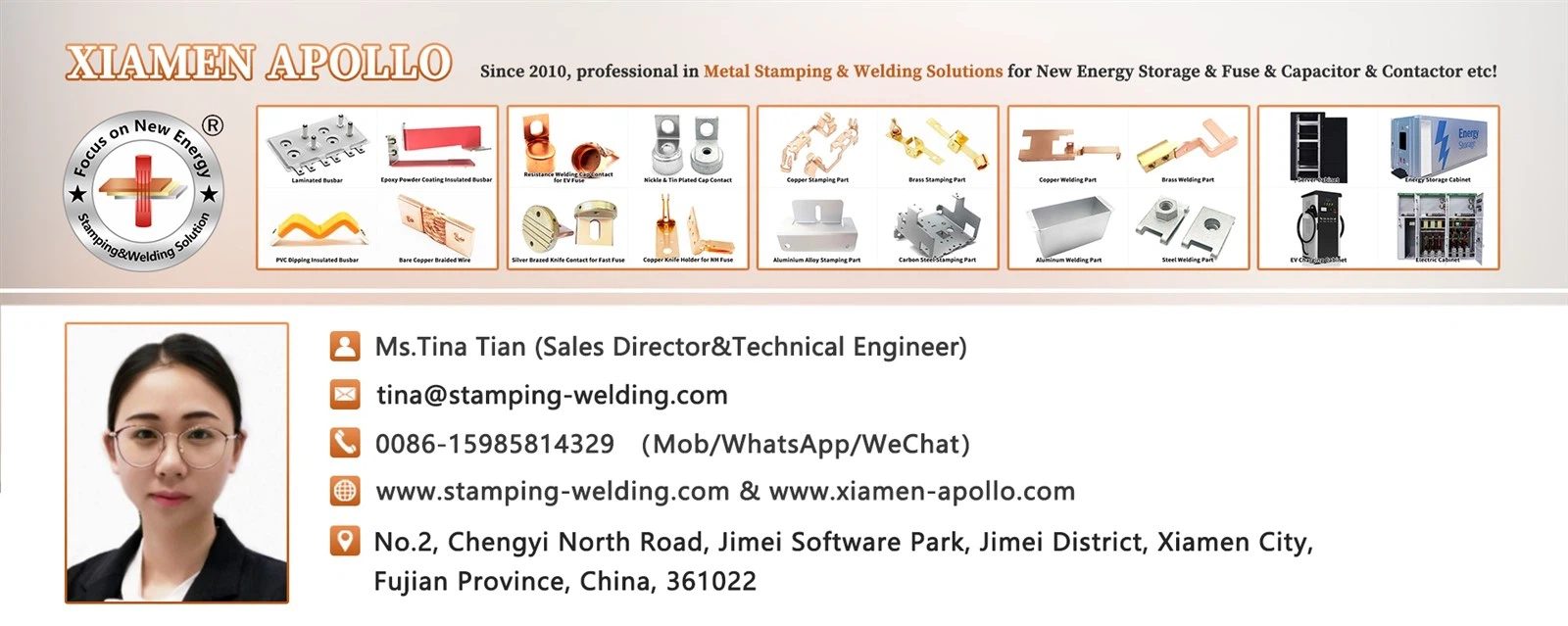
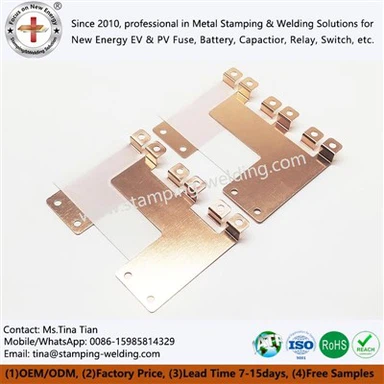
Complete guide to Electrical copper stamping parts processing: from process principles to operational points
Mar 27, 2026
Core process and key links of stamping processing
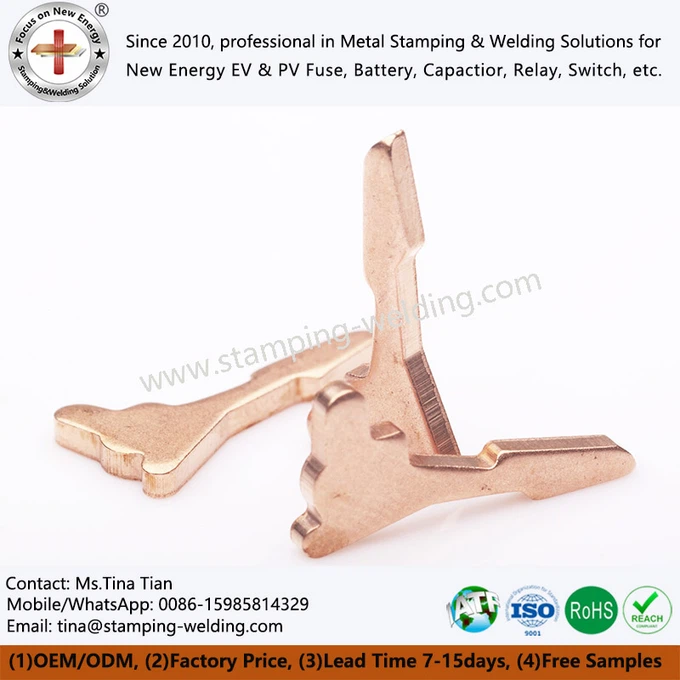
The entire process of Electrical copper stamping parts processing must strictly follow the multi link collaborative specification, and each link is interrelated, directly determining the accuracy and performance of the finished product.
Firstly, in the stage of raw material preparation, precise selection should be made based on the application scenarios of small copper parts. If high conductivity is required, high-purity copper materials should be given priority; If it is necessary to balance strength and toughness, copper alloys such as brass and bronze can be selected, and the raw materials can be cut into standard blanks suitable for molds, laying the foundation for subsequent processing.
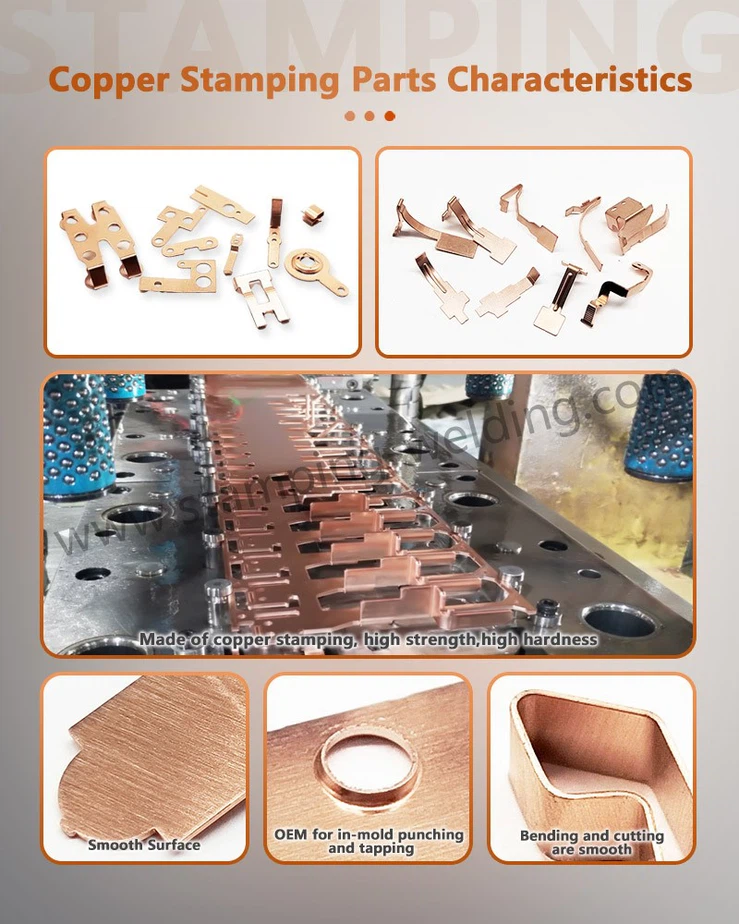
Mold making is the core process, and the accuracy and durability of the mold directly affect the quality of the finished product. It is necessary to use precision machining, electrical discharge machining and other processes to manufacture according to the shape complexity and dimensional accuracy requirements of small copper parts. For Custom copper stamping with fine structures, CNC machining technology is required to ensure the accuracy of the mold cavity.
During the stamping operation stage, it is necessary to accurately position the blank to the mold cavity, apply pressure through the stamping machine to achieve plastic deformation, and reasonably regulate core parameters such as pressure, stamping speed, and stroke to avoid material fracture, deformation, or dimensional deviation caused by improper parameters.
In the surface treatment process, for electrical connection Copper sheet stamping, passivation treatment is often used to form a protective film to prevent oxidation and corrosion; For precision components that require long-term operation, wear resistance and rust prevention can be improved by coating protective oil, electroplating, and other methods.
Finally, there is quality inspection, which measures the dimensional accuracy with high-precision measuring tools and uses optical equipment to inspect surface scratches, cracks, burrs, and other defects to ensure that the finished product meets the design standards.
Key points for maintenance of stamping equipment and molds
Stamping equipment and molds are the core equipment for processing Electrical copper stamping parts, and their operating status and service life directly affect production stability and cost control.
The maintenance of stamping equipment for Metal stamping parts electric copper needs to focus on three core aspects: first, routine inspections of transmission, lubrication, electrical and other systems, regular cleaning of equipment dust and debris to avoid impurities blocking and causing abnormal operation; Secondly, timely replacement of vulnerable parts such as bearings and stamping heads is necessary to ensure the accuracy of equipment operation and prevent dimensional deviations in finished products caused by component wear; The third is to standardize the equipment start stop process, avoid overload operation, and extend the overall service life of the equipment.
Mold maintenance should be carried out throughout the entire production cycle of Copper stamping China factory. After each use, the residual copper chips and impurities in the mold cavity should be cleaned in a timely manner to prevent impurities from wearing out the mold cavity; Regularly polish and repair the mold to maintain surface smoothness and reduce material friction loss during subsequent processing; Before use, conduct a comprehensive inspection of all components of the mold, check for deformation, cracks, and other issues to ensure the accuracy and stability of mold installation, and avoid the production of bulk waste due to mold failure.
Core skills for process optimization and efficiency improvement
To further improve the efficiency and quality of Copper strip stamping processing, precise optimization is needed from three aspects: process, equipment, and personnel. Optimization of process parameters is key. Through repeated experimentation and practical accumulation, pressure, speed, stroke and other parameters can be adjusted for small copper parts of different materials and structures. For example, reducing stamping speed appropriately during thin-walled copper part processing can reduce the risk of material fracture, and optimizing pressure distribution can improve forming uniformity.
The selection of mold materials for Copper stamped components should take into account both performance and cost. High strength, high hardness, and excellent wear resistance hard alloy materials should be preferred to significantly improve the wear resistance and impact resistance of the mold, extend its service life, and reduce production losses caused by frequent mold changes. The improvement of personnel skills is equally indispensable. Strengthening operator training to enable them to proficiently master equipment operating procedures, mold installation and debugging skills, and quality control standards, standardizing operating procedures can reduce human errors and improve production efficiency and product consistency.
Common problems and key points of quality control
In Copper stamping processing connecting, factors such as insufficient material plasticity, improper mold clearance, and non-standard operation can easily cause quality problems such as scratches, cracks, and sidewall wrinkling. Regarding surface scratches, they are mainly caused by sharp scratches or impurities blocking the mold, and it is necessary to promptly grind the mold and clean up residual impurities; Bottom cracking is often caused by poor plasticity of the material or excessive pressure on the edge ring. It is necessary to replace the copper material with good plasticity or adjust the pressure on the edge ring appropriately; Wrinkles on the side walls are often caused by insufficient material thickness or eccentric mold installation. It is necessary to replace the raw materials with qualified thickness and readjust the coaxiality of the mold.
Quality control needs to run through the entire process, verifying materials and specifications in the raw material stage, monitoring parameters and mold status in real-time during the processing, strictly implementing size, surface, and performance testing standards in the Cross copper metal stamping stage, and ensuring that small copper parts meet the application needs of different industries through closed-loop control throughout the entire process.
contact us
Dedicated to providing customized stamping solutions for Electrical copper stamping parts in the fields of electronics, electronics, and new energy, covering the entire process from raw material selection, mold design to finished product inspection. Welcome to communicate with customers who have requirements for process optimization, batch processing, or customization. We will provide precise process planning and efficient processing support to help you enhance product competitiveness.