Design Requirements For T2 Copper Tinned Copper Bars
Jan 10, 2025
Metallic copper is prone to oxidation reactions with oxygen in the air. Coupled with the action of water vapor, it is easy to form an oxide film on the surface of the conductor, causing the surface of the copper bar to turn black or produce patina and other substances. This increases the resistance of the copper bar contact surface and generates heat. Also increases, the conductive properties of the product decrease.
In order to improve the oxidation resistance and surface wear resistance of the copper busbars, the copper busbar manufacturers will tin-plate the copper busbars. Tin plating of copper bars does not require consideration of temperature rise, and the processing technology is simple. Other plating processes for copper rows include gold plating, silver plating, nickel plating, etc. Gold-plated copper bars have good oxidation resistance, but their hardness is not enough; silver-plated copper bars are more expensive and are mainly used for some contact materials with higher requirements, but are not widely used in practical applications; nickel-plated copper bars can effectively increase surface strength , but the conductivity is lacking.
T2 copper tin plating can effectively prevent copper from becoming patina due to moisture, and can also prevent copper from turning black due to oxidation or sulfide, which affects the conductivity. The tin-plated copper busbar can effectively extend the service life of the copper busbar and play a certain protective role in the copper.

The Benefits Of T2 Copper Tin Plating Are Specifically Reflected In:
1. Metal tin has good electrical conductivity, and the copper bar after tin plating has better electrical conductivity;
2. After the copper strip is tin-plated, the tin on the surface can effectively prevent the copper strip and air from oxidizing, and enhance the oxidation resistance of the copper strip;
3. In a humid and cold environment, the surface of the copper bus will produce patina. After the surface is tin-plated, the tin will not easily react chemically with the air, which can improve the corrosion resistance of the copper bus;
4. Metal tin is soft and has strong ductility. Tin plating of copper bars can help expand the contact area of copper bars, reduce loop resistance, and improve conductivity;
5. After tin plating, the oxidation, acid and alkali resistance and corrosion resistance of the copper busbar are greatly improved, which is beneficial to increasing the service life of the copper busbar.
Design Requirements For Tinned Copper Bars:
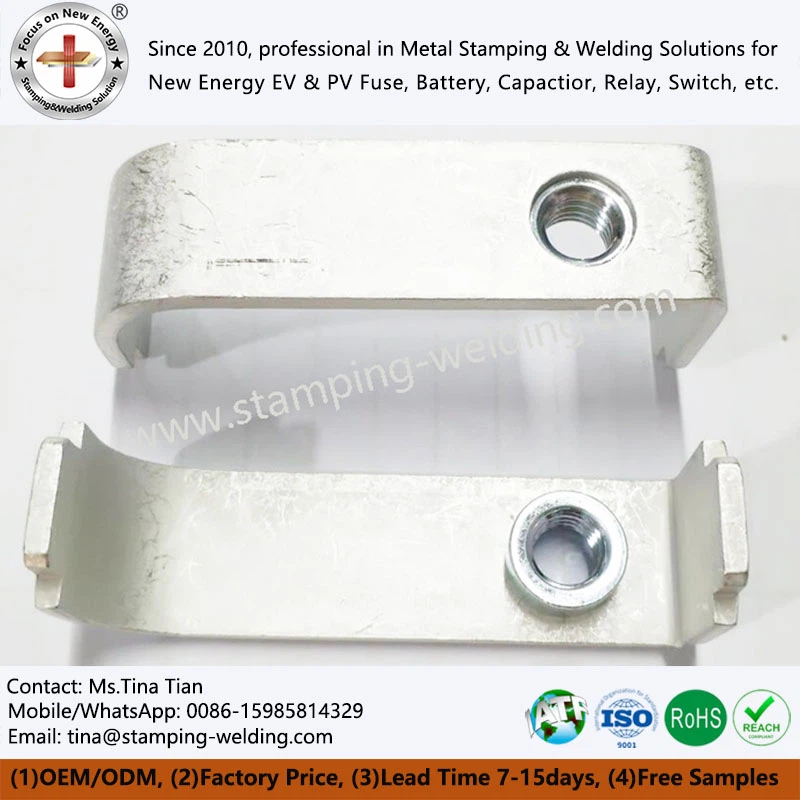
1. Product design must meet good electrical performance requirements;
2. Vibrations generated during normal work, temperature rise, environment and transportation must not affect the connection of the copper bars;
3. The structural design of the entire copper bus needs to consider the impact of the thermal expansion and electrochemical corrosion of the material on the material;
4. Ensure that the connection between the copper bars has sufficient and lasting contact pressure to meet the requirements of small contact resistance and temperature rise, and the copper bars will not deform.

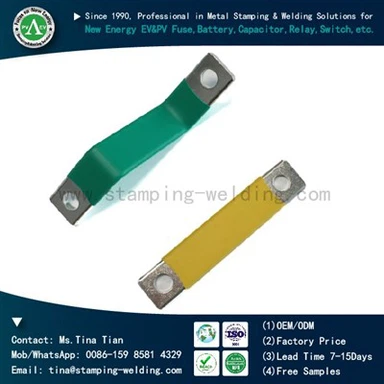
Xiamen Apollo Stamping Welding Technology Co., LTD produces extruded copper busbars, dipped copper busbars, thermoplastic sleeve copper busbars, laminated soft copper busbars, aluminum busbars, and copper-aluminum composite busbars. Our copper busbars use T2 copper and PVC insulation. T2 copper is a common type of pure copper. It is named after its purple appearance. It has good electrical and thermal conductivity, good corrosion resistance and formability, but its strength and hardness are worse than brass. It is commonly used for electrical conductivity, thermal conductivity and Corrosion-resistant components are parts of the power supply that carry large currents.
contact us