The Accelerated Development of C&I Energy Storage Systems: Liquid Cooling Technology and Integrated Storage Cabinets Drive Upgrades in Energy Management
Nov 03, 2026
As the global energy mix continues to shift and the installed capacity of new energy generation grows, commercial and industrial (C&I) users are placing greater emphasis on electricity cost control, supply stability, and energy efficiency. Against the backdrop of maturing peak-valley electricity pricing mechanisms, the widespread adoption of distributed photovoltaics (PV), and the low-carbon transition of industrial enterprises, C&I energy storage has emerged as a vital component of modern power systems.
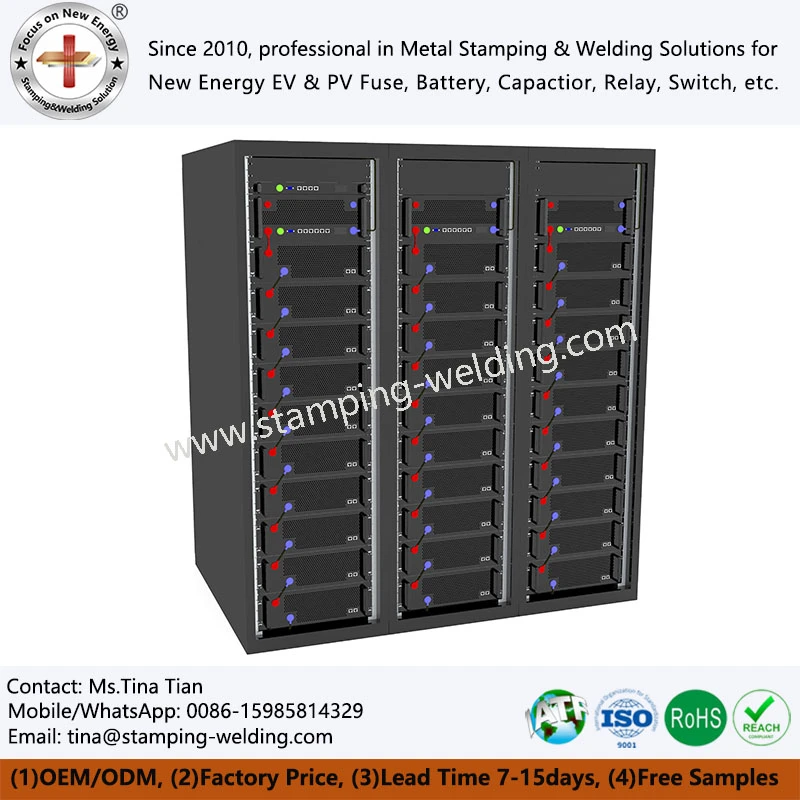
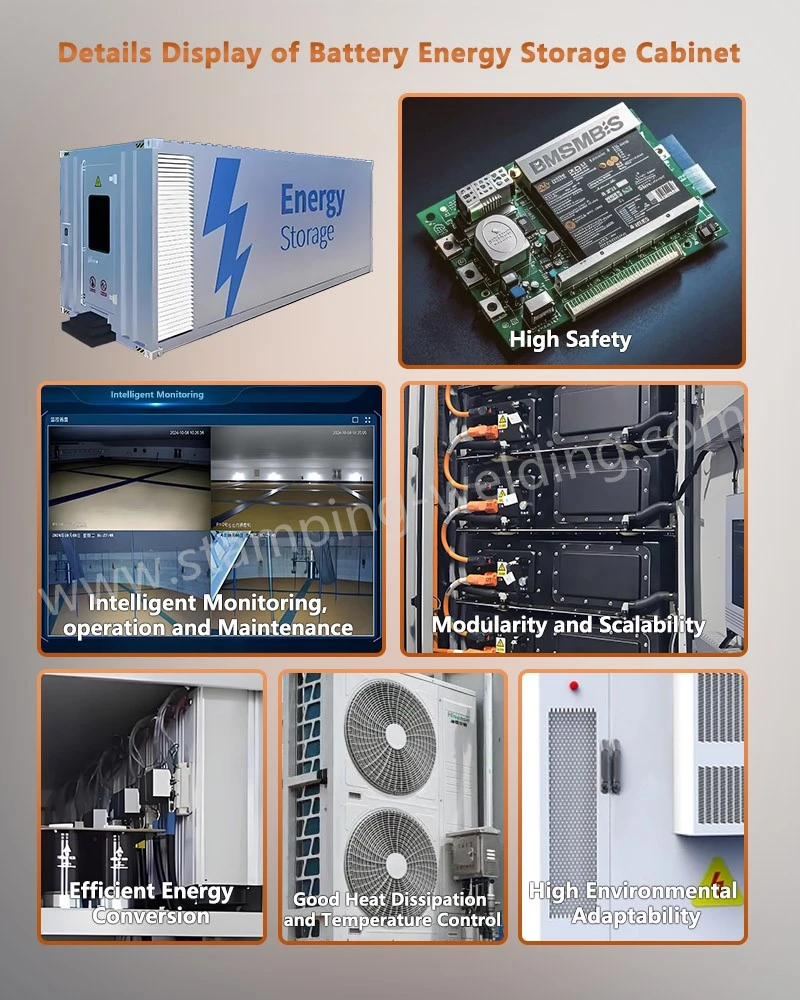
Energy storage cabinets serve as the primary housing for battery energy storage systems. They integrate key functional modules-including battery modules, battery management systems (BMS), power conversion systems (PCS), thermal management systems, and fire protection equipment-to facilitate the storage, conversion, and discharge of electrical energy based on actual demand. Compared to traditional, standalone components, this integrated design reduces internal interconnections, streamlines deployment, and offers flexible configuration options for energy storage projects of various scales.
Expanding Application Scenarios for C&I Energy Storage
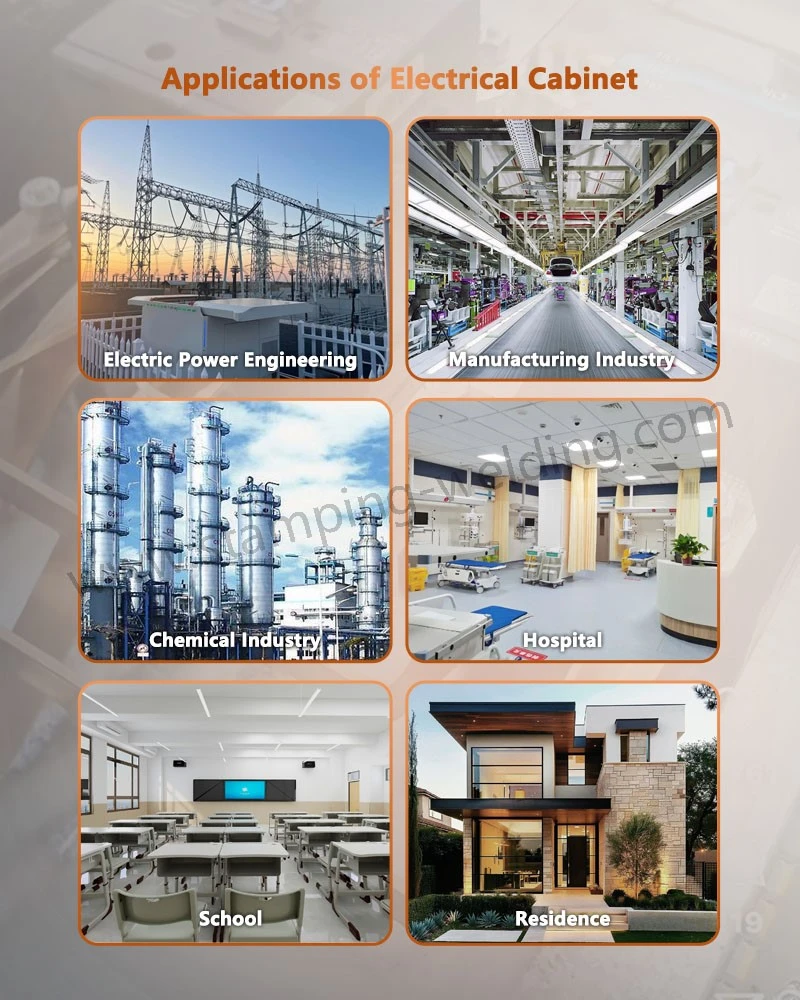
In manufacturing plants, industrial parks, commercial buildings, and new energy charging facilities, the application of energy storage systems has evolved beyond simple electricity cost management to encompass energy dispatch, power reliability, and the integration of renewable energy.
In manufacturing environments, enterprises often experience significant fluctuations between peak and valley loads. By deploying energy storage, companies can store electricity during periods of low tariffs and discharge it during high-tariff periods, thereby reducing overall energy costs. Furthermore, when combined with peak demand management strategies, these systems can optimize load profiles and alleviate the strain that short-term, high-demand spikes place on the power supply infrastructure.
For industrial parks, energy storage systems can operate in tandem with distributed PV, power distribution networks, and energy management platforms to create a more agile energy dispatch framework. By collecting data on power generation, consumption, battery status, and grid operations, the management system can dynamically adjust charge and discharge strategies in response to load fluctuations, ultimately enhancing the park's overall energy efficiency.
In integrated "solar-storage-charging" projects, energy storage systems serve to bridge the temporal gap between renewable energy generation (such as from PV) and the demand from charging infrastructure. When photovoltaic (PV) power generation is high during the day, excess energy can be stored in batteries. This stored energy can then be released at night or during periods of high demand, thereby enhancing the local consumption of renewable energy.
As the number of distributed energy projects grows, the structural design of solar battery enclosure cabinets has garnered increasing attention. These enclosures must not only house battery modules and electrical components but also account for ingress protection, thermal management, internal wiring, and outdoor installation requirements to suit the specific environments of various project sites.
Structural Design of Energy Storage Cabinets: Moving Toward Integration and Modularity
Capacity requirements for commercial and industrial (C&I) energy storage projects vary significantly-ranging from user-side storage for small-to-medium enterprises to centralized storage systems for large industrial parks-each imposing different demands on structural dimensions, system capacity, and installation methods.
Traditional energy storage systems typically consist of multiple independent functional units, requiring on-site electrical connections, communication configuration, and system commissioning. With increasing product integration, more energy storage equipment now employs prefabricated and modular designs. By housing batteries, power distribution, thermal management, and safety protection systems within a single, unified structure, these designs significantly reduce the workload for on-site installation.
For instance, LiFePO4 battery energy storage system cabinets often utilize lithium iron phosphate (LiFePO4) batteries. Known for their superior thermal stability and cycle life, these batteries are well-suited for C&I applications that demand high operational safety and longevity. However, the actual performance of the system still depends on factors such as cell quality, module design, BMS (Battery Management System) control strategies, and thermal management capabilities.
Modular design allows for the adjustment of battery quantity and system capacity based on specific project requirements. Modular battery energy storage systems can be assembled using standardized battery modules, facilitating future capacity expansion, maintenance, and system upgrades. For engineering projects, it is essential to ensure compatibility across electrical interfaces, communication protocols, mechanical mounting methods, and protection logic between the modules.
Liquid Cooling Technology Enhances Operational Stability
Batteries generate heat continuously during charging and discharging. This is particularly pronounced during high-rate charge/discharge cycles, in high-ambient-temperature environments, or when battery clusters are densely packed; in such cases, localized temperature variations can negatively impact cell performance and overall system operation. Traditional air-cooling systems rely primarily on airflow for heat exchange. While they feature relatively simple structures and well-established maintenance procedures, they may struggle with uneven localized heat dissipation and insufficient temperature control precision-particularly in high-density battery configurations or complex operating environments.
Liquid cooling technology, by contrast, utilizes a circulating coolant to transfer heat generated during battery operation to a heat-exchange unit, enabling more targeted temperature management. By optimizing cooling circuits, flow distribution, and control strategies, this approach improves temperature uniformity across battery modules and reduces the risk of localized overheating.
Integrated liquid-cooling solutions-such as those designed for wind-power-integrated energy storage systems-exemplify a trend toward the synergistic design of thermal management systems and overall electrical architecture. For projects integrating wind, solar, and energy storage, thermal management configurations must be tailored to specific parameters, including battery capacity, charge/discharge power, ambient temperature, and operational conditions.
The engineering design of a liquid-cooling system must account for more than just cooling capacity; it must also address pipeline sealing, coolant compatibility, condensation control, pump reliability, and long-term ease of maintenance. In outdoor applications, in particular, the thermal management system must adapt to seasonal temperature fluctuations, ensuring that issues such as condensation, leaks, or pipeline malfunctions do not compromise the safe operation of electrical components.
Multi-layered safety protection has become a focal point in the design of energy storage equipment. Energy storage systems typically consist of a large number of battery cells connected in series and parallel; the operational status of these cells, the accumulation of heat, and the integrity of electrical connections all influence overall safety. Consequently, the safety design of an energy storage cabinet must be addressed comprehensively-from the level of individual cells and modules to battery clusters and the entire system.
Regarding battery management, the Battery Management System (BMS) is responsible for collecting operational data-such as cell voltage, temperature, and current-and executing charge/discharge control based on predefined strategies. In the event of overvoltage, undervoltage, overcurrent, or abnormal temperatures, the system can trigger warnings or implement protective measures according to established safety logic.
In terms of structural protection, thermal insulation materials and protective structures must be strategically placed between battery modules to minimize the risk of heat spreading to adjacent areas. Furthermore, the interior of the cabinet should incorporate necessary insulation, secure cable routing, and adequate protective spacing-all aligned with the electrical layout-to prevent mechanical damage or electrical short circuits.
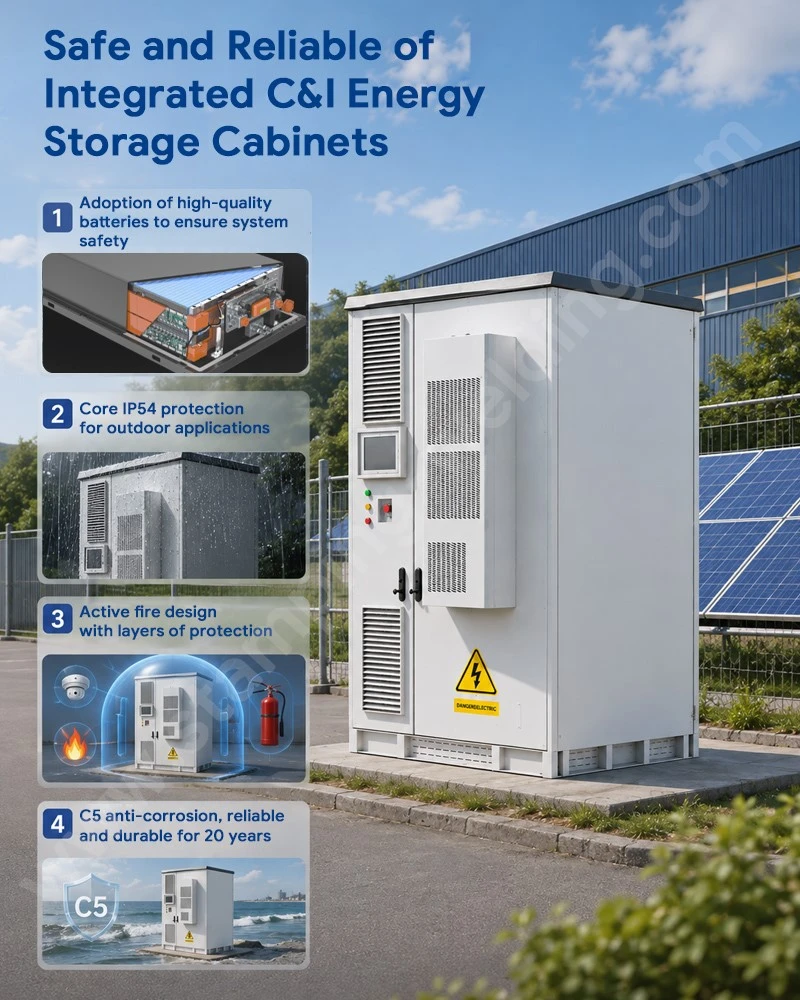
For outdoor energy storage systems, the design of the enclosure-typically an outdoor cabinet-must account for environmental factors such as precipitation, dust, humidity, solar radiation, and temperature fluctuations. The cabinet structure should be engineered to meet an appropriate ingress protection (IP) rating based on the specific environmental conditions of the project site, with careful attention paid to door sealing, cable entry points, and interfaces for ventilation or liquid cooling systems.
Fire protection systems must be configured according to the specific energy storage technology, equipment capacity, and project safety requirements. This includes fire detection, monitoring for abnormal gas emissions, alarm integration, and appropriate fire suppression measures. Fire safety strategies should be tailored to each project based on applicable standards and site-specific conditions; relying on a single fire protection device is insufficient to ensure overall system safety.
Integrated Energy Storage Cabinets Facilitate Flexible Deployment Across Projects of Various Scales
As the scale of commercial and industrial (C&I) energy storage projects continues to grow, equipment manufacturers are increasingly prioritizing system integration, a smaller physical footprint, and on-site installation efficiency. By optimizing the internal layout of the cabinet-strategically arranging battery modules, power distribution components, thermal management systems, and control units-manufacturers can minimize external connections and streamline both installation and maintenance.
The "integrated cabinet" format represents the current trend toward highly consolidated C&I energy storage solutions. The design must holistically account for battery capacity, rated power, DC voltage range, AC grid interfaces, and the capability for parallel operation, ensuring that all functional modules work in coordination.
For projects of varying scales, total capacity can be scaled through modular combinations or by connecting multiple cabinets in parallel. In space-constrained industrial parks, a compact design helps maximize site utilization; for large-scale factories or projects integrated with renewable energy, key considerations include electrical interconnections, fire safety spacing, maintenance access, and provisions for future capacity expansion.
Customized solutions-such as a 215kWh integrated air-cooled energy storage cabinet-reflect the market's diverse requirements regarding capacity and cooling methods. During the engineering design phase, the choice between air-cooled or liquid-cooled configurations should be based on local climate, load characteristics, operational duration, and maintenance requirements, rather than being determined solely by the equipment's capacity.
Outdoor Energy Storage Equipment Sets Higher Standards for Cabinet Manufacturing
As energy storage equipment shifts from indoor to outdoor applications, there is an increasing demand for superior cabinet materials, structural integrity, corrosion resistance, and sealing design.
Outdoor energy storage cabinets typically require a metal enclosure with sufficient mechanical strength and environmental durability to protect the internal batteries and electrical components. The manufacturing process involves several stages, including sheet metal fabrication, laser cutting, precision bending, welding, surface treatment, and final assembly.
Material selection-whether steel plate or aluminum alloy-must be based on the equipment's weight, installation method, and operating environment. For units exposed to the outdoors for extended periods, surface coatings, corrosion-resistant finishes, and protection at connection points are critical. Furthermore, cabinet doors, bases, stiffeners, and mounting brackets must meet specific load-bearing and structural strength requirements.
For equipment supporting new energy sources-such as solar and wind energy storage cabinets-the layout of interfaces between photovoltaic (PV) systems, wind power systems, and energy storage units must be carefully considered. This includes the strategic planning of cable entries, grounding structures, and internal space for electrical components, which helps simplify on-site wiring and future maintenance.
Intelligent Energy Management Drives the Digital Upgrade of Energy Storage Systems
The value of energy storage equipment is determined not only by the batteries themselves but also by the scheduling capabilities of the energy management system (EMS). By collecting operational data from the power grid, PV arrays, loads, and batteries, an energy management platform can analyze energy supply and demand patterns over time, subsequently formulating charge/discharge schedules based on electricity pricing, load forecasts, and equipment status.
In practice, intelligent management systems enable battery state monitoring, fault alerts, remote diagnostics, and the logging of operational data-all of which provide a foundation for equipment maintenance and the optimization of operational strategies. For projects involving multiple cabinets connected in parallel, it is also essential to ensure reliable communication and power coordination between individual energy storage units.
As energy management technology continues to evolve, integrated solutions-such as "all-in-one" PV power storage cabinets-will further facilitate the synergistic operation of solar power generation, energy storage, and end-user equipment. Moving forward, energy storage systems will evolve beyond standalone storage units, becoming increasingly integrated into the broader energy management frameworks of enterprises.
Future Trends and Procurement Considerations for Energy Storage Cabinets
In terms of industry development, commercial and industrial (C&I) energy storage equipment is evolving toward higher integration, greater energy density, intelligent management, and sophisticated safety design. As requirements across diverse application scenarios continue to diverge, energy storage cabinet products are increasingly offering a wider range of capacity specifications, structural configurations, and thermal management solutions.
For procurement professionals and project integrators, selecting energy storage equipment requires more than just looking at nominal capacity and purchase cost. It necessitates a comprehensive evaluation of the battery chemistry, system efficiency, thermal management method, ingress protection (IP) rating, fire safety configuration, structural integrity of the cabinet, and long-term operation and maintenance (O&M) costs.
Regarding the supply chain, components such as battery cabinets, internal mounting brackets, precision sheet metal parts, copper busbar assemblies, and electrical mounting structures are critical to overall system reliability. Before procurement, it is advisable to specify product dimensions, material grades, sheet thickness, surface treatment requirements, installation interfaces, and environmental adaptability-evaluating manufacturing feasibility against 3D drawings and technical specifications.
For C&I energy storage projects requiring customization, stakeholders should provide suppliers of structural components and precision metal parts with detailed product drawings, technical parameters, projected procurement volumes, and information on the application environment. This facilitates material selection, structural optimization, mold/tooling assessment, and prototype validation. Thorough engineering communication during the early stages ensures a better fit between the cabinets (and their associated metal components) and the energy storage system, providing a solid foundation for subsequent mass production and project delivery.
contact us