Detailed explanation of copper tinned busbar surface treatment process
May 07, 2026
Introduction
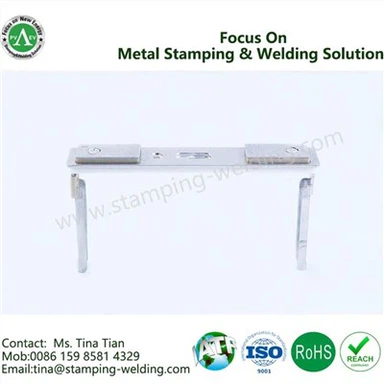
Copper bar, also known as copper busbar, is a long conductor made of copper material with a rectangular or chamfered rectangular cross-section. It plays a key role in transmitting current and connecting electrical equipment in circuits, and its quality usually follows relevant standards such as GB/T 5585.1-2018. High cleanliness, bright surface with uniform and dense structure are the distinguishing features of high-quality copper tinned busbar, which benefits from advanced surface treatment technology.
main processes for surface treatment
The surface treatment of copper busbars mainly includes three methods: painting, tin plating and plating protective agent. Copper row painting. This process is a more traditional and backward process and is now rarely used. It distinguishes the phase sequence and polarity by coating the surface of the busbar with paint of different colors. For example, in a three-phase AC circuit, the A, B, and C phases are painted with yellow, green, and red paint respectively.
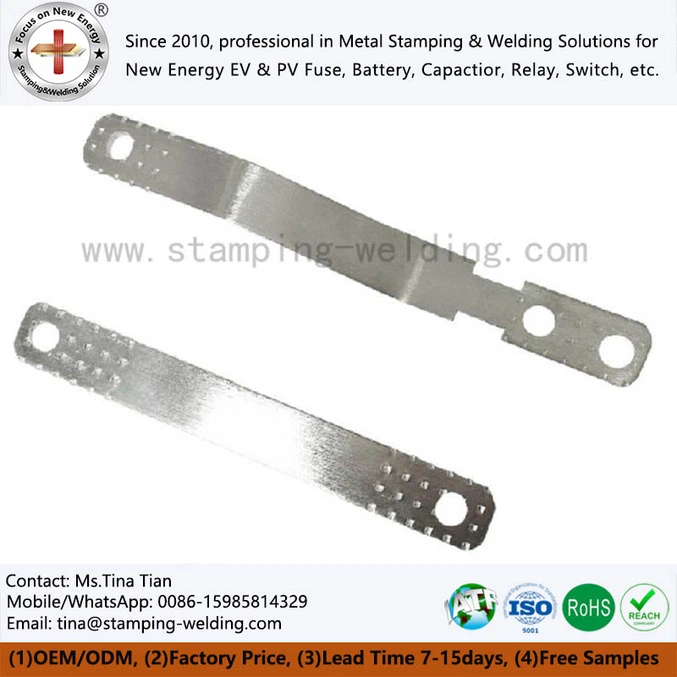
Tinned copper bars. This is currently the most mature technology and the most widely used process. Its operation cycle is short and its efficiency is high. The tin plating layer can not only effectively prevent the oxidation of the copper row, but also improve its solderability and corrosion resistance. It is a very cost-effective surface treatment solution in the electrical industry.
Copper plate coating protective agent. This process can maintain the original color of the copper bar, and the cost is slightly lower than that of tin plating, but the operation cycle is relatively long. It achieves the purpose of preventing oxidation by forming a protective film on the surface of the copper bar.
process flow
At present, the bright sulfate system or the methane sulfonic acid system is mainly used for tin plating of copper rows. The process flows of the two systems are basically similar, but the methylsulfonic acid system has more advantages in environmental protection and wastewater treatment is easier.
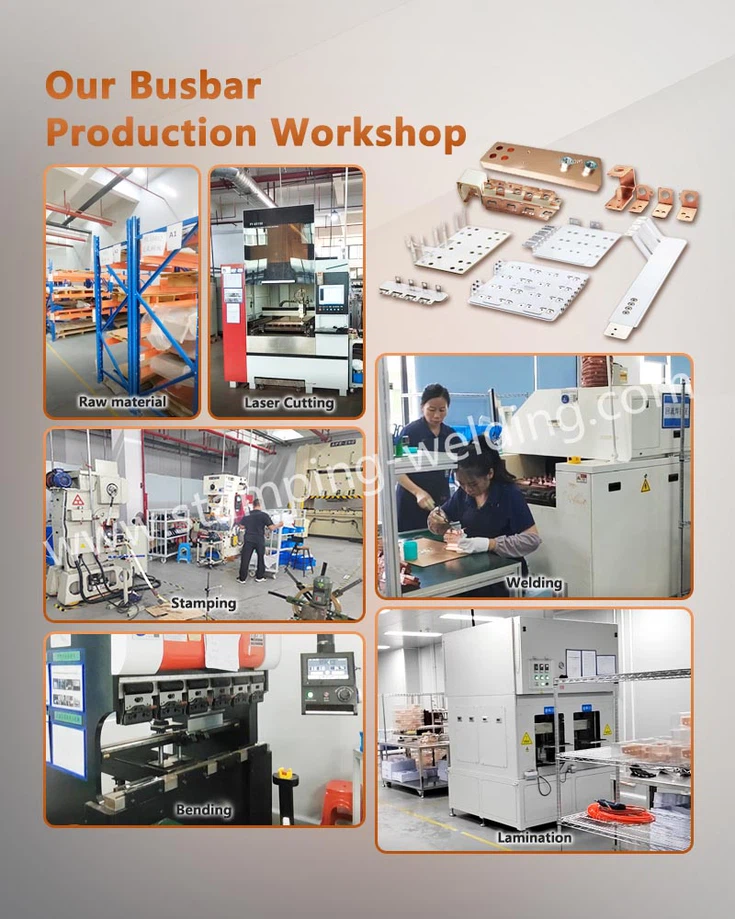
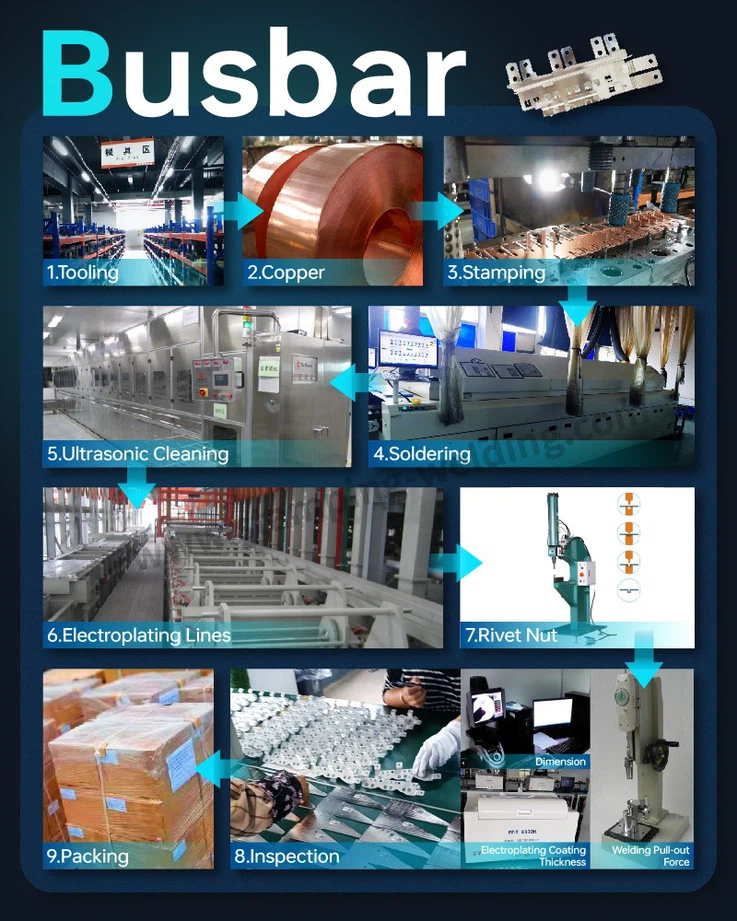
A typical high-speed copper bar continuous tin plating process flow is as follows: Pre-treatment: Polish and remove oil on the surface of the copper busbar to ensure the surface is clean. Water washing: Use pure water for multi-stage cleaning to remove residual impurities and chemical reagents. Activation: Activating the surface of the copper bar to enhance the adhesion of the coating. Tin plating: Discharge copper into a tin plating bath, and deposit a uniform and fine tin layer on the surface of the tin-plated copper bar through electrolysis.
Post-processing: multi-stage water washing, neutralization, hot water soaking, and finally drying. The tinned copper bars produced by this process have fine and uniform coating crystallization, a clear appearance, and good solderability. They can still maintain excellent welding performance even after long-term storage.
Why choose tin plating for copper bars?
Prevent oxidation. Pure copper is easily oxidized and forms patina when exposed to air, which will seriously affect its conductive properties. The tin plating layer can effectively isolate the copper from contact with air and moisture, prevent oxidation, and maintain good conductivity of the copper row.
Balance of cost and performance. Although gold plating and silver plating have better conductivity, they are expensive. For copper bars with larger areas, the conductive properties of tin plating are very close to silver, and the cost advantage is obvious, so it has become the first choice for surface treatment of most copper bars.
Improve overall performance. Tin plating not only prevents oxidation, but also significantly improves the corrosion resistance, wear resistance and weldability of the Galvanized busbar, allowing it to work stably in humid or slightly corrosive environments, extending the service life of the product.
contact us
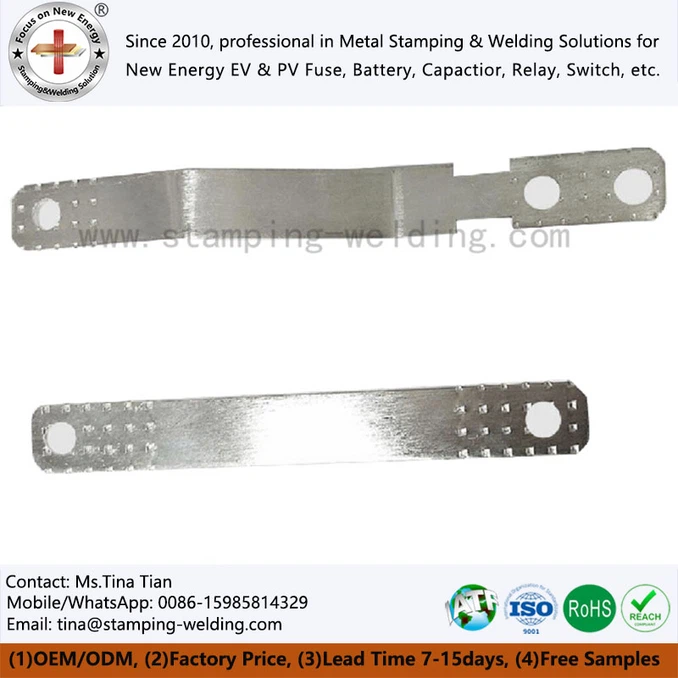
Our company has long been focusing on the R&D and manufacturing of high-quality conductive busbars. Whether it is the standard specification copper tinned busbar or the customized size busbar tinned copper series, we can provide a stable and reliable supply and technical support. Customers from all industries are welcome to inquire, request samples and technical exchanges.