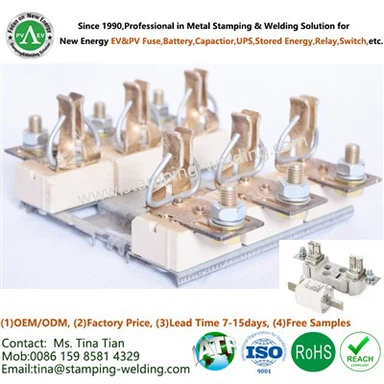
Industry knowledge analysis of Standard Nickel Plating Flat Busbar
May 06, 2026
In the field of modern electrical connections, cable joints are key nodes in current transmission, and their performance and reliability directly affect the stable operation of the entire system. Among them, copper nickel-plated flat hole cable connectors show significant advantages in specific application scenarios due to their unique structural design and material properties. They are often used in conjunction with conductive components such as Nickel Plated Copper Busbars to jointly ensure the stability of power transmission.
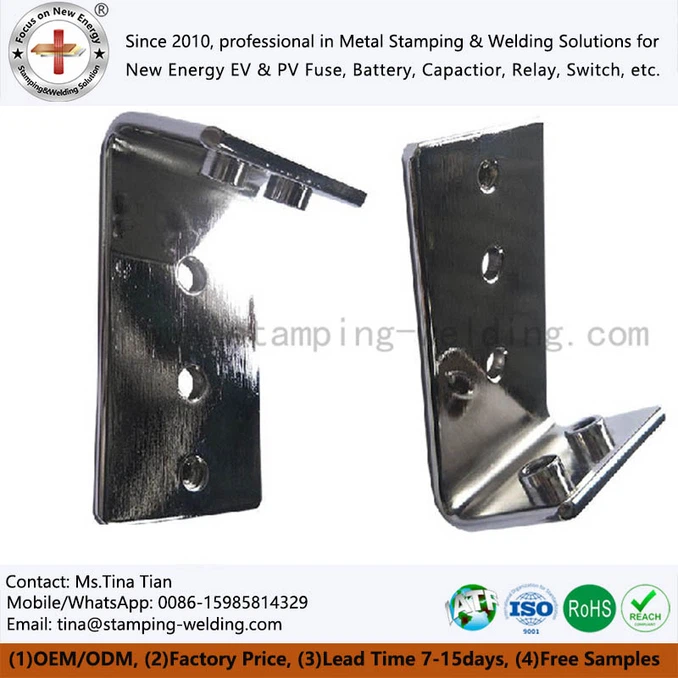
Core concepts
Material basis: Copper. Copper is a classic material for electrical connections because of its excellent electrical and thermal conductivity, low resistivity, and ability to effectively transmit current and reduce energy loss and heat generation. Surface treatment: Nickel plating. The surface of the copper substrate is covered with a layer of nickel metal through an electroplating process. This layer of coating is very important. It mainly plays the following roles: significantly improves the corrosion resistance of the joint, making it resistant to moisture, salt spray and certain chemical substances, extending its service life; increasing surface hardness, improving wear resistance, and maintaining stable contact in multiple plugging and unplugging or vibration environments; the nickel layer can provide good solderability and prevent the oxidation of the copper matrix to form a non-conductive oxide film.
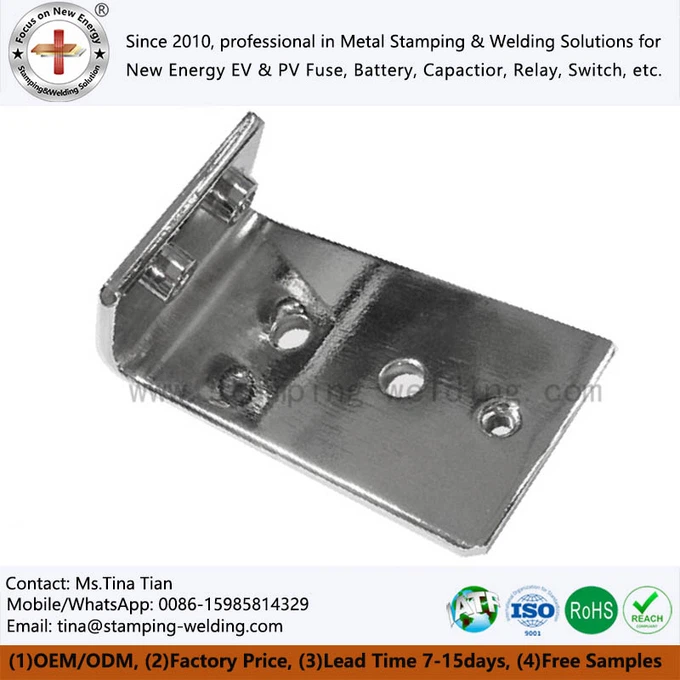
Manufacturing process
The birth of a high-quality Flat Bar Red Pure Copper Nickel Plating is inseparable from rigorous manufacturing processes. Material selection: Using high-purity copper (such as red copper) is the foundation and the starting point to ensure conductive performance. Precision processing: The copper material is processed into a precisely sized flat hole joint blank through cold heading, stamping or cutting processes to ensure accurate hole size and smooth surface without burrs.
Electroplating process: This is a key link. It usually includes pre-treatment (cleaning, degreasing, activation), nickel plating (may include pre-nickel plating and main nickel plating to enhance bonding force and thickness uniformity), post-treatment (passivation, drying) and other steps. Coating thickness, uniformity and bonding strength are core indicators, which directly affect the anti-corrosion effect and service life.
Quality inspection: Finished products need to undergo a number of inspections, including dimensional accuracy inspection, coating thickness measurement (possibly using an eddy current thickness gauge), salt spray test (to test corrosion resistance), conductive performance test (to measure contact resistance), and mechanical strength test (such as bolt torque test).

Core advantages and applicable scenarios
In terms of high current carrying capacity, due to the large contact area and excellent conductive materials, it can effectively carry higher rated currents and reduce heat generation at the joints. It is often used in current collection and distribution points in power transmission, new energy systems (such as photovoltaic inverters, battery pack connections), rail transit and other fields. In terms of environmental adaptability, the nickel plating enables it to cope with industrial environments with humidity, high salinity (such as coastal areas) or the presence of slightly corrosive gases, and has a longer maintenance-free period than ordinary copper joints. In terms of installation and inspection, the flat hole structure is intuitive, the bolt tightening method is simple and reliable, the installation tools are universal, and the connection status is easy to visually or tool check. Typical applications include main power access points in industrial automation control cabinets, battery connections in large UPS systems, busbar terminals in distribution boxes, and internal power interconnections in special equipment.

Summarize
Nickel Plated Bus Bars are a representative product in electrical connection technology that combines basic material science, surface treatment technology and practical structural design. With its solid conductive foundation, strong anti-corrosion coating and reliable flat connection method, it plays an irreplaceable role in electrical nodes that require stable, durable and large current transmission. Only by understanding its characteristics, grasping its manufacturing quality, and following correct installation specifications can this small connection point become a reliable cornerstone to ensure the smooth operation of the entire power system. Today, when electrical safety and reliability are increasingly valued, choosing appropriate connection components and applying them scientifically are undoubtedly the basic qualities that every relevant practitioner should possess.
contact us
We provide a series of products including Standard Nickel Plating Flat Busbar, Flat Bar RedPure Copper Nickel Plating, etc., which can meet the flat hole connection needs of different current levels and installation environments. If you need to know more about product selection parameters or technical docking support, please contact the company's technical department for detailed information.