Detailed explanation of identification and application of core components in Industrial PLC cabinet
Apr 12, 2026
Overview of Industrial PLC cabinet components
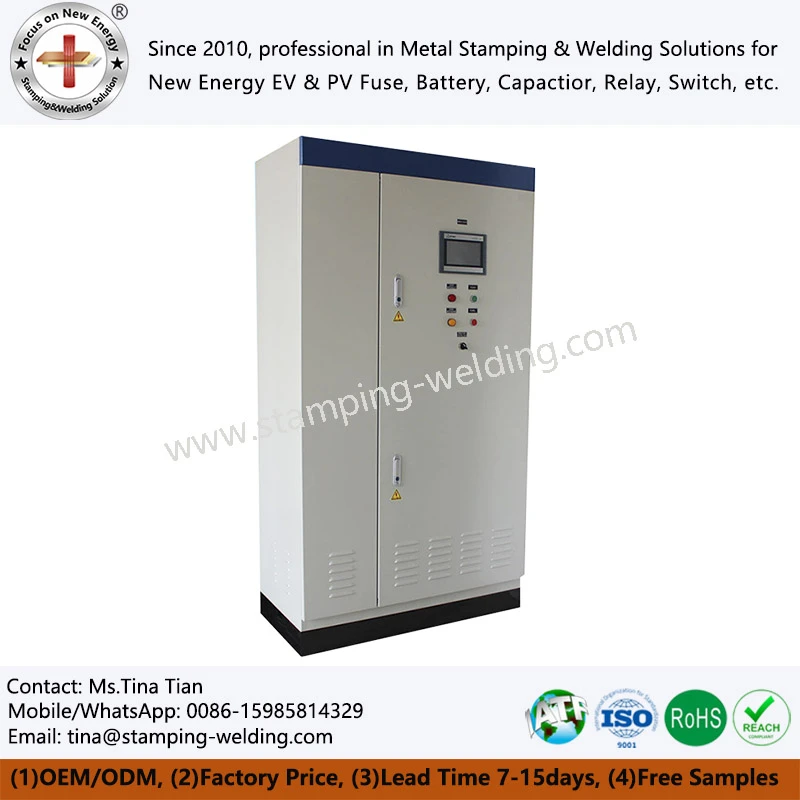
The PLC control cabinet has a wide variety of internal components and clear functions, which are the fundamental components for achieving industrial automation control. For beginners, understanding the functions, wiring logic, and usage scenarios of various components is the key to understanding circuits, debugging equipment, and maintaining systems. This article systematically reviews over 90% of commonly used components in Automation panel cabinet, analyzing them one by one from core controllers to execution, protection, and sensing components, helping practitioners quickly establish a complete understanding.
Core control and power supply components
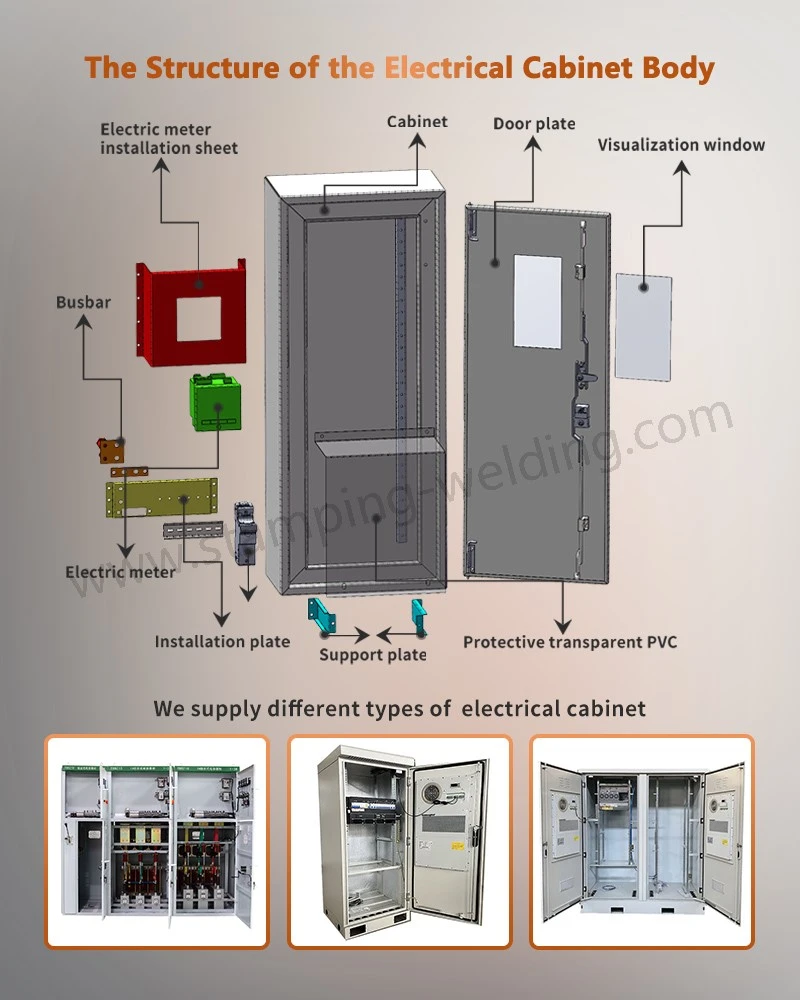
PLC, as the "brain" of Industrial PLC cabinet, consists of a CPU module, input/output module, power module, and communication module. It is responsible for signal acquisition, logical operation, and instruction output, and is the core of the entire control system. The power module is responsible for energy conversion and supply tasks, converting AC power into DC low-voltage power to supply power to devices such as PLCs, sensors, relays, etc. Sufficient capacity margin should be reserved when selecting. Circuit breakers and air switches, as circuit protection units, can automatically cut off power in case of overload or short circuit. They are divided into miniature, plastic shell, and air circuit breakers according to the size of the load, and are the basic components to ensure system safety.
Execution, protection, and signal conversion components
The contactor of Application cabinet controls high current with small current and is mainly used for starting, stopping, and reversing high-power equipment such as motors and heaters. It is a typical actuator. Thermal relays are specifically designed for motor overload protection, achieving power-off protection through thermal deformation of bimetallic strips. The setting value is usually set to 1.05-1.2 times the rated current of the motor. Intermediate relays are used for signal expansion, voltage conversion, and isolation to compensate for the insufficient number of PLC output points and driving capabilities; Time relays achieve delay control and are widely used in timing scenarios such as star delta start and sequential start stop.
Speed regulation, detection, and interactive components
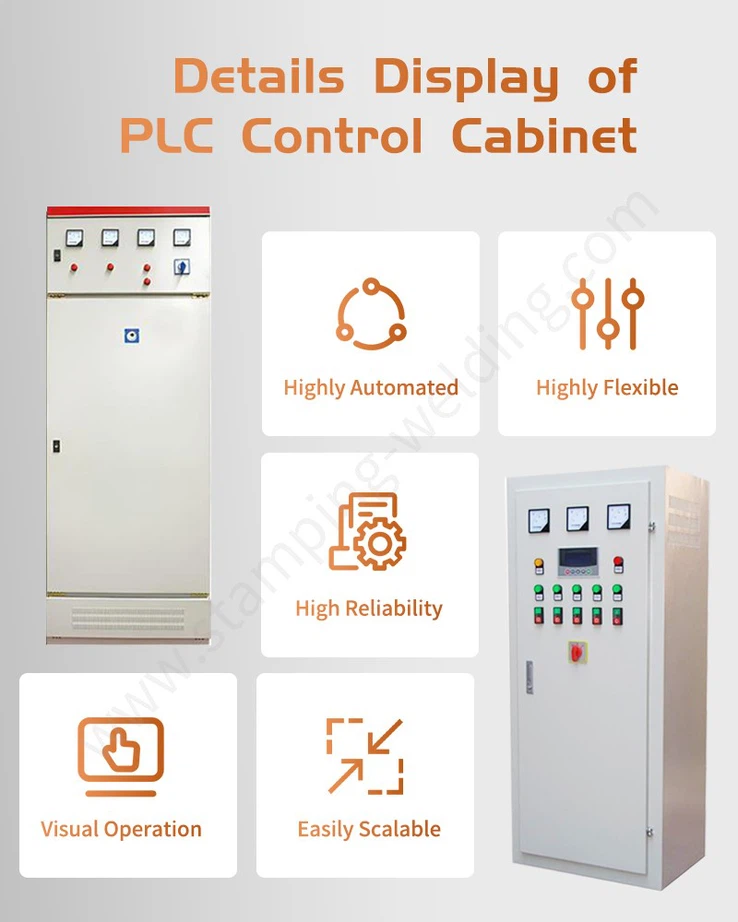
The frequency converter of the PLC panel cabinet adjusts the motor speed by changing the output frequency, and has energy-saving, soft start, and precise speed control functions. It is the core speed control device for equipment such as fans, water pumps, and conveyor belts. Encoders are used to accurately detect motor speed and displacement, providing feedback signals for positioning control; Sensors serve as the sensing units of the system, including proximity switches, photoelectric switches, temperature, humidity, and pressure sensors, etc., to achieve real-time collection of external environment and equipment status. The human-machine interface (HMI) serves as the system interaction window, supporting parameter display, modification, and device control, allowing operators to complete monitoring and debugging without directly contacting the components inside the cabinet.

Contact us
If you have any related needs in Industrial PLC cabinet component selection, system configuration, or on-site debugging, please feel free to contact us at any time. We can provide professional technical support and adaptation solutions based on actual working conditions to assist in the smooth implementation of automation projects.