Detailed explanation of wall-mounted network cabinet technology
May 22, 2026
Basic concepts
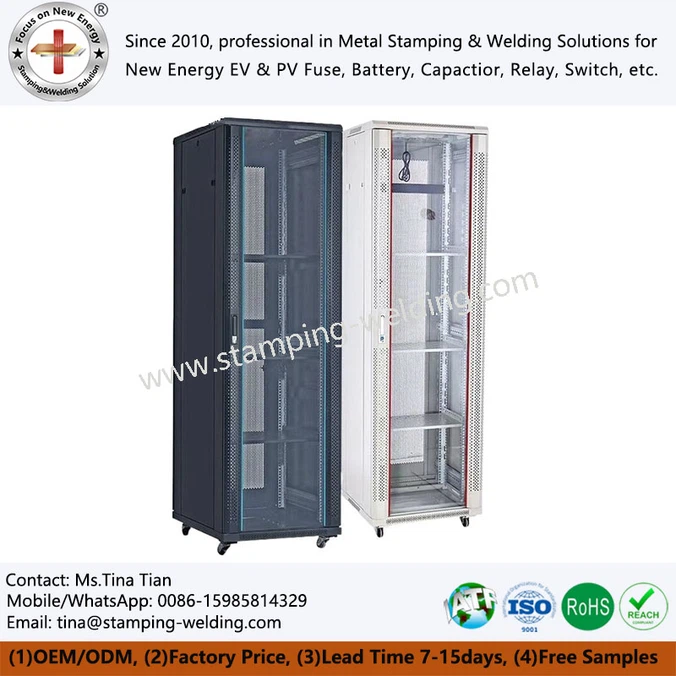
Network cabinets are standardized structures used to centrally install, carry, and manage electronic equipment such as servers, switches, routers, and patch panels. In modern data centers, enterprise computer rooms and edge computing nodes, the cabinet is not only the physical container of the equipment but also a comprehensive platform for heat dissipation management, cable organization and security protection. The height of the cabinet is standardized and measured in "U" units. 1U is equal to 1.75 inches (approximately 44.45 mm). This unit originated from the convention of the electronic equipment manufacturing industry in the 19th century and has now become a global rack installation standard. The effective installation height of an 18U cabinet is about 800 mm, which can accommodate 18 1U-height devices or 9 2U-height devices, or a mix and match of the two. The standard width of the cabinet is 19 inches (approximately 482.6 mm), which is an international standard inherited from the width of equipment panels, ensuring that rack-mounted equipment of different brands and types can be universally installed. The depth of the cabinet varies according to the application scenario - network equipment usually has a depth of 400 to 600 mm, and server equipment requires a depth of 800 to 1000 mm to accommodate the longer body. For space-constrained deployment environments, the 9U wall-mount rack provides a low-capacity, low-footprint entry-level solution suitable for network aggregation points in small offices or branch offices.
Structural details
The design of the 18U wall-mounted cabinet is positioned between a small wall-mounted box and a floor-standing cabinet, achieving a balance between capacity and space occupation. Its main structure is usually made of high-quality cold-rolled steel plates with a thickness between 1.2 and 2.0 mm, which are bent, welded or assembled. The choice of steel directly affects the load-bearing capacity and seismic performance of the cabinet - steel plates above 1.5 mm can carry equipment weights of approximately 60 to 100 kilograms, meeting the full load requirements of most 18U capacity. There are two types of cabinet frames: welded and assembled: the welded frame has better overall rigidity and is suitable for fixed installation scenarios; the assembled frame is easy to disassemble and transport on site, and is suitable for deployments that require frequent movement or limited space.
Wall mounting is a core feature of this product category. The back panel of the cabinet is designed with wall mounting holes, usually four to eight symmetrical hanging points, which are fixed to the load-bearing wall with expansion bolts. Before installation, the material and load-bearing capacity of the wall need to be evaluated - concrete walls or solid brick walls can be installed directly, while lightweight partition walls need to be installed with through-type back panels or floor-standing brackets on the inside for auxiliary support. The height of the lower edge of the mounted cabinet from the ground should be considered to ensure accessibility for daily operations. It is generally recommended to be 1.2 to 1.5 meters away from the ground, so that the equipment panel is in a comfortable position at eye level or slightly lower when standing for operation.
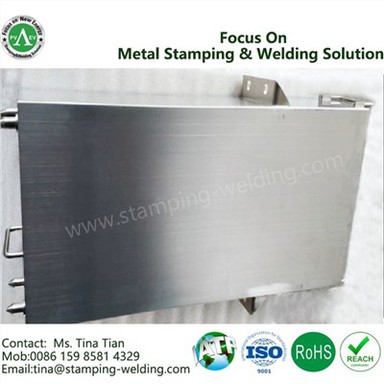
The front of the cabinet is usually equipped with a tempered glass door or an all-metal mesh door. The glass door has good dust-proof performance and can prevent dust from entering the inside of the equipment. At the same time, the transparent glass panel allows operation and maintenance personnel to directly observe the status of the equipment indicator lights without opening the door. This is especially practical for scenarios that require frequent inspections. Glass doors are mostly installed with adjustable hinges, and the opening angle can reach more than 120 degrees, which facilitates equipment installation and maintenance. Mesh doors provide better ventilation with a high opening ratio (usually more than 70%), and are suitable for dense deployment of equipment with high heat generation. The side panels of the cabinet are mostly removable and fixed with locks or screws. After being disassembled, cable routing and equipment maintenance can be carried out from the side.
manufacturing processes
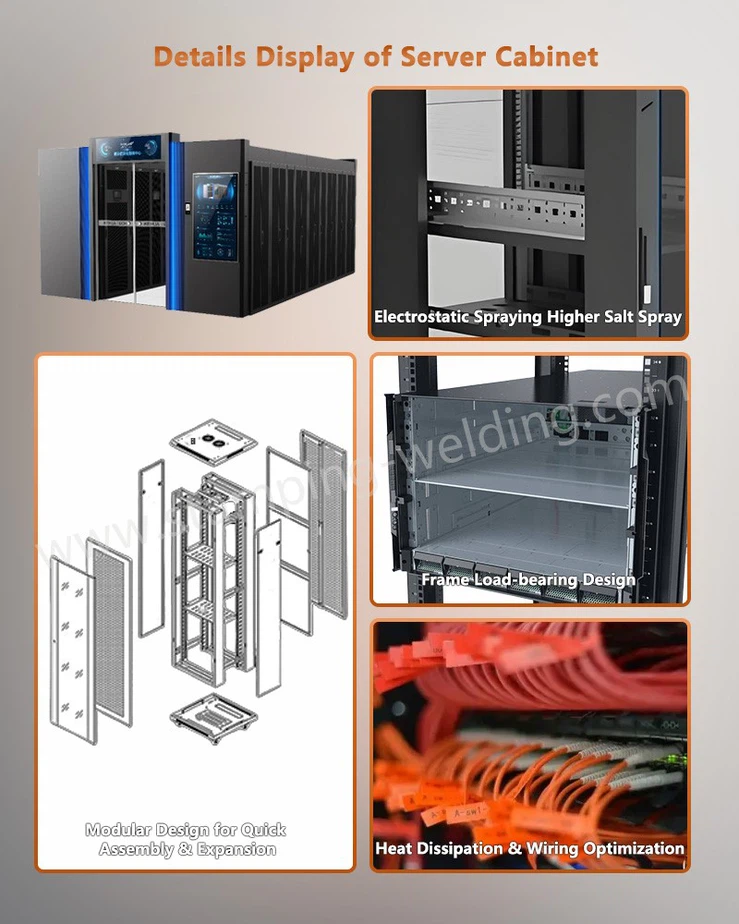
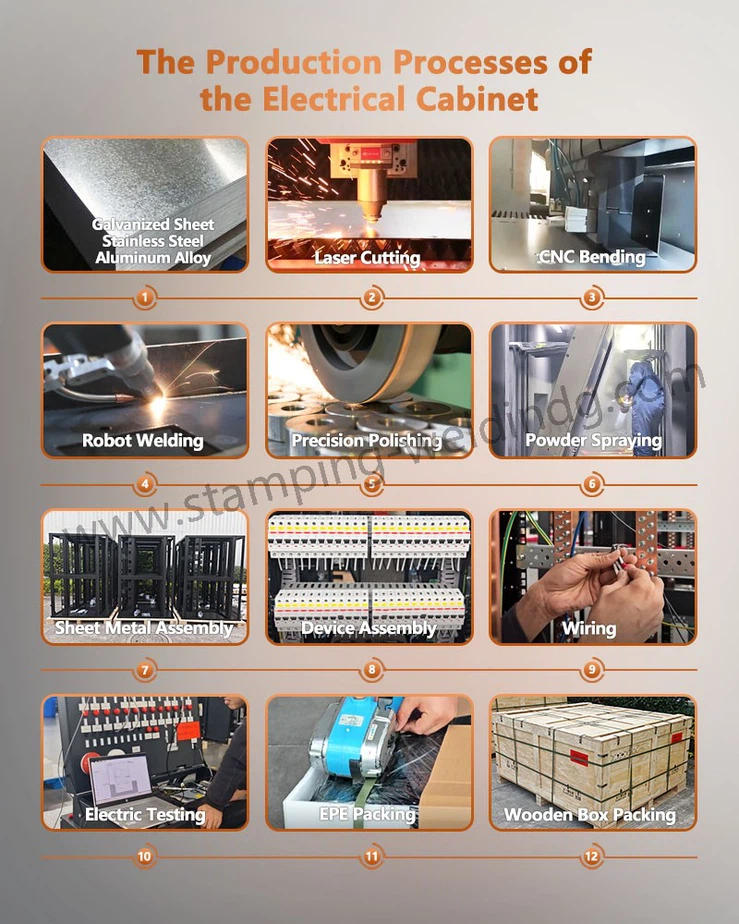
The materials and manufacturing processes of cabinets have experienced a development process from extensive to sophisticated. Early cabinets mostly used angle steel welded frames and thin steel plate skins. They were large in size, heavy in weight, rough in appearance, and had limited processing accuracy. Alignment errors in the equipment mounting holes may cause the equipment to fail to be installed smoothly. This type of cabinet has been eliminated in modern formal construction, but it still exists in some old facilities. The mainstream of modern cabinets uses cold-rolled steel plates as the base material, and the thickness is designed according to the stress-bearing parts - the frame part uses 1.5 to 2.0 mm steel plates to ensure rigidity, and the door panels and side panels use 1.0 to 1.2 mm steel plates to reduce weight. The surface of cold-rolled steel plates needs to go through four processes: degreasing, phosphating, electrophoretic primer and powder spraying. Electrophoretic primer can penetrate into the micropores of the metal surface and provide excellent anti-rust properties; powder coating forms a tough coating with a thickness of about 60 to 100 microns, usually in black (RAL 9005), gray (RAL 7035) or white (RAL 9010). Cabinets that have undergone complete surface treatment can be used in normal indoor environments for more than 10 years without obvious rust.
In terms of profiles, 10-fold profiles and 16-fold profiles are the two mainstream frame-forming processes. The 10-fold profile bends the steel plate into a closed cross-sectional shape through multi-pass rolling. It has a high strength-to-weight ratio and is widely used in mid-range cabinets. The 16-fold profile uses more times of bending to form a more complex reinforced rib structure, which is higher in rigidity, but the cost also increases accordingly. Aluminum profile cabinets are light in weight and have good appearance and texture, but their carrying capacity is lower than that of steel cabinets of the same specification. They are suitable for light-loaded network equipment rather than heavy-loaded servers.
The processing accuracy of the cabinet directly determines the installation experience and operational reliability of the equipment. The positioning error of the installation holes should be controlled within ±0.5 mm. The printing position of the U logo must strictly correspond to the hole positions to avoid uneven "staggered layers" between equipment panels. The uprights (i.e. mounting guide rails) should have front and rear adjustment functions to adapt to the needs of equipment of different depths through slides or displaceable nut strips. In the 18U Server Rack market, users tend to pay more attention to the welding quality - the welds should be smooth and without welding, and the surface spraying should not be affected after polishing; the riveted or screwed parts should be firm and not loose.
Application scenarios
Enterprise data center and computer room: Floor-standing cabinets are the absolute mainstay of the data center, but wall-mounted cabinets are also indispensable in the access layer, aggregation layer, and edge computing nodes. In operator access rooms, enterprise weak current wells or computer rooms of retail stores, 18U wall-mounted cabinets can be used to install floor switches, fiber optic transceivers, ONU equipment and simple distribution frames without occupying floor space. Small and medium-sized enterprise offices: For small and medium-sized enterprises with self-built server rooms, the purchased capacity of the cabinets usually needs to be reserved for expansion in the next 3 to 5 years. The 18U cabinet can accommodate small virtualized server clusters, core switches, firewall devices and enterprise-class NAS storage. The floor space released by wall-mounting can be used to store spare parts or serve as a maintenance access. In an open office environment, the cabinet should be equipped with a low-noise fan or rely mainly on passive cooling to prevent fan noise from affecting employees' work.
Surveillance security system: The core equipment of the surveillance system includes network video recorders (NVR), PoE switches, video matrix and surveillance-specific hard drives. These devices generate moderate heat but require high stability. The 18U wall-mounted cabinet can centrally install the above devices and unify power supply and grounding. The glass door of the cabinet makes it easy to quickly check the working status of the video recorder during inspections without having to open the cabinet door. Server Enclosures are often required to support shallower depth equipment (300 to 400 mm) in surveillance scenarios to match the limitations on wall protrusion length when wall-mounted.
Educational institutions and laboratories: University network laboratories, computer teaching centers, and test platforms of scientific research institutions often require frequent plugging and unplugging of cables and replacement of equipment. The wall-mounted cabinet concentrates the equipment at a suitable height for operation (about 1.2 meters from the ground), which can reduce the inconvenience of bending down or climbing up. The transparent glass door also facilitates the display of internal equipment connections during teaching.
Public places and commercial outlets: The information query terminal backend of libraries, the multimedia broadcast control equipment of conference centers, and the front-end of information release systems in shopping malls can all be deployed in wall-mounted cabinets. Public places have higher safety requirements for cabinets-except for the locking function, the cabinets should have no externally accessible sharp edges or protrusions, and the spray-coated materials should meet low-smoke and halogen-free fire protection requirements.
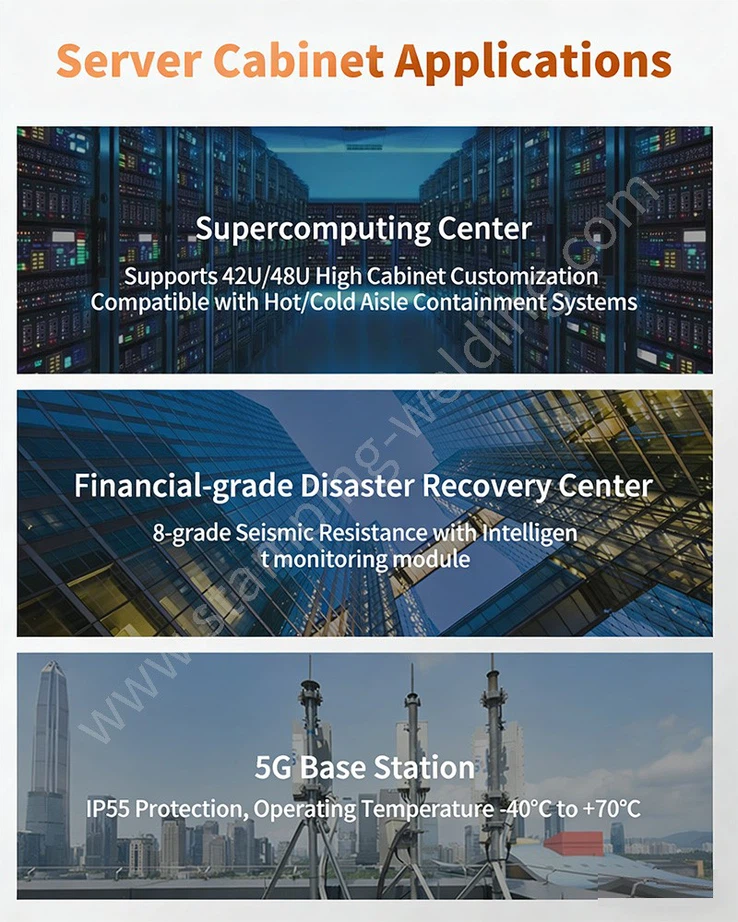
Homes and small studios: With the popularity of high-performance NAS, home labs (HomeLab) and audio-visual servers, cabinets originally belonging to enterprise scenarios are now entering homes. Wall-mounted installation is the mainstream choice for home environments - the cabinet is hung on the wall, does not occupy the ground and is easy to clean. Home users should focus on choosing models with good appearance, quiet operation, and enough space for heat dissipation. The 24U Server Rack has a large capacity for most home scenarios, and the 18U or smaller 12U and 9U specifications are more suitable. Wall Mount Data Rack selection decision factors include: total equipment height (total U numbers), maximum equipment depth, total weight, ambient temperature range, whether dustproof or waterproof (outdoor scenarios) are required.
contact us
We focus on providing high-quality IT physical infrastructure solutions to global customers. If you are looking for a high-standard 18u data cabinet, please contact us for professional selection suggestions and customized services.