Electronic cabinet wiring chapter: power from details
Apr 01, 2026
Layout and opening: The final effect is determined by the preliminary planning
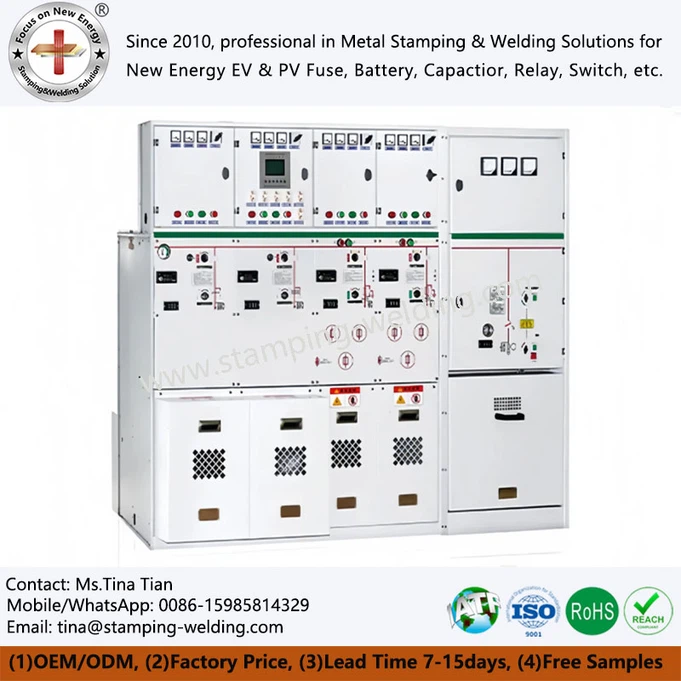
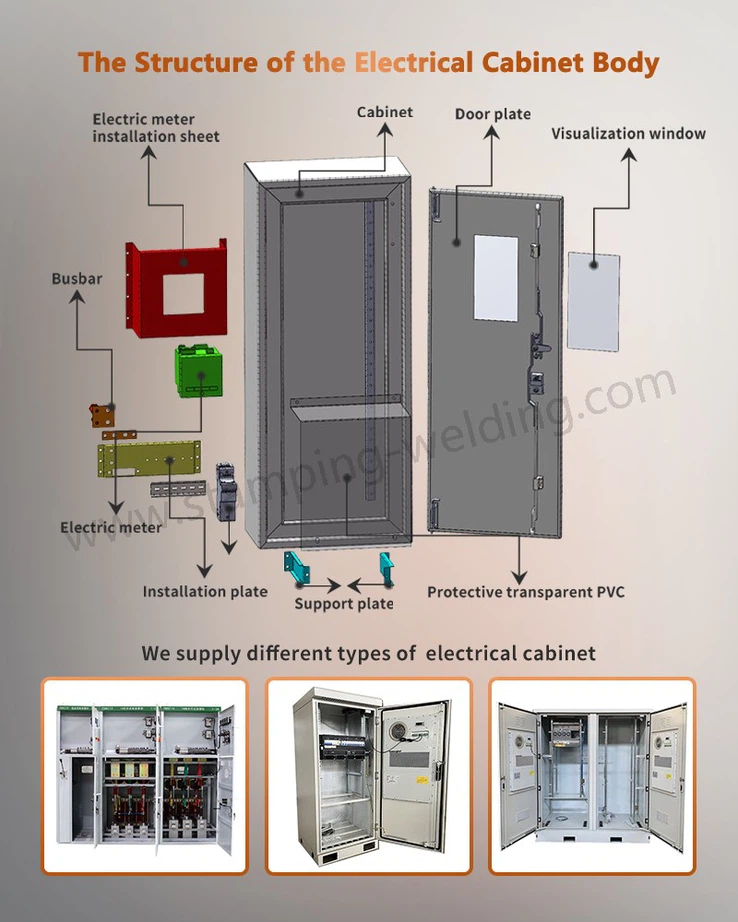
The layout of the Electronic cabinet needs to be determined in collaboration with the mechanical design, and the specific division of labor varies among different enterprises. Some require mechanical completion of the cabinet drawings, while others are led by electrical design. Prioritize clarifying functional requirements, select standard components, and obtain their external dimensions and installation methods. After the layout is determined, holes can be pre drilled on the installation board during the cutting stage. If pre holes are not made, on-site hole matching is required, which can easily cause component installation to be skewed due to positioning deviation, affecting the overall aesthetics.
All types of openings on the Electrical system cabinet panel, including switch holes, power holes, Ethernet ports, aviation ports, serial ports, and various instrument installation holes, must be designed and confirmed before processing. Adding holes in the later stage is not only cumbersome to operate, but for integrated cabinets with non removable panels, only hole openers or cutting machines can be used for on-site processing, which not only increases workload but also easily damages the consistency of appearance.
Wire laying and wire numbering: length control and identification specifications
The length needs to be precisely controlled during wire laying. In practical cases, there have been cases where the reserved wires are too long. Although it does not affect the functionality, the excess cables coiled inside the Electronic cabinet occupy space, especially in compact cabinets, which significantly increases the difficulty of later organization.
The purpose of wire number identification is to facilitate troubleshooting, rather than just a formality. The aviation plug lead out line should be labeled with corresponding numbers, and the specific signal source should be indicated at both ends, rather than simply corresponding with "1, 2, 3" numbers. For power signals such as 24V, 0V, GND, etc., it should also be indicated which axis they come from. In multi axis control scenarios, pulse terminals, origin signals, and limit signals are often arranged in a centralized manner. If the Outdoor electrical cabinet only uses numerical numbers, it is easy to have multiple identical numbers mixed together. Once the circuit fails, troubleshooting personnel cannot quickly locate it, just like the lack of code annotations, which brings great difficulties to subsequent maintenance.
Stripping, crimping, and wiring: Standard operations determine reliability
When stripping the wires of the Outdoor weatherproof enclosure cabinet box, the length should be determined according to actual needs and should not be too short or too long. When crimping terminals, the stripping length should match the terminal. If it is too short, the crimping cannot be firm, and if it is too long, it needs to be trimmed, otherwise it will affect the installation of the terminal block and cause waste of time.
Before crimping, multiple wire cores should be tightened, and appropriate cutting edges should be selected for wire stripping tools. If the cutting edge is too small, it is easy to cut off the thin wire cores, resulting in a decrease in the cross-sectional area of the wire, which not only affects the current carrying capacity but also easily causes loose crimping. The crimping operation should be applied multiple times, and after completion, gently pull the wire to check for any risk of detachment.
When wiring, if the reserved wire in the early stage is too long, it should be appropriately shortened according to the actual direction to avoid winding and stacking, which may affect the later inspection of the wire. When tightening the terminal screws, the wires of the Electrical cabinets and enclosure should be inserted into the inside of the clamp, tightened and then gently pulled again to confirm, to prevent improper crimping or misplacement of the wires on the outside of the clamp.
Hole repair and plug installation: The final stage cannot be ignored
If holes need to be added to the Electrical cabinet outdoor in the later stage, electrical components should be protected before opening to prevent debris from falling into the equipment. After opening the hole, it is necessary to use a file to remove burrs and apply paint for protection, rather than simply assembling it. The installation of plugs should ensure that they are locked in place, especially for aviation connectors. The nuts should be tightened and checked for shaking. If there is looseness in the connector, it can easily cause wire fatigue fracture or poor contact in frequent plugging and unplugging scenarios, affecting system stability.
The quality of electrical cabinet wiring is often reflected in these seemingly trivial details. The standardized execution of each link paves the way for subsequent debugging, maintenance, and use.
Contact us
Electronic cabinet wiring involves coordination in multiple aspects such as layout, selection, and process. If you encounter any problems in cabinet design, wiring specifications, or process optimization, please feel free to communicate and discuss with us. We are willing to provide you with professional and reliable technical support with solid practical experience.