Analysis of core maintenance points for PLC cabinet components
Apr 01, 2026
The importance of maintenance and upkeep of PLC cabinet components
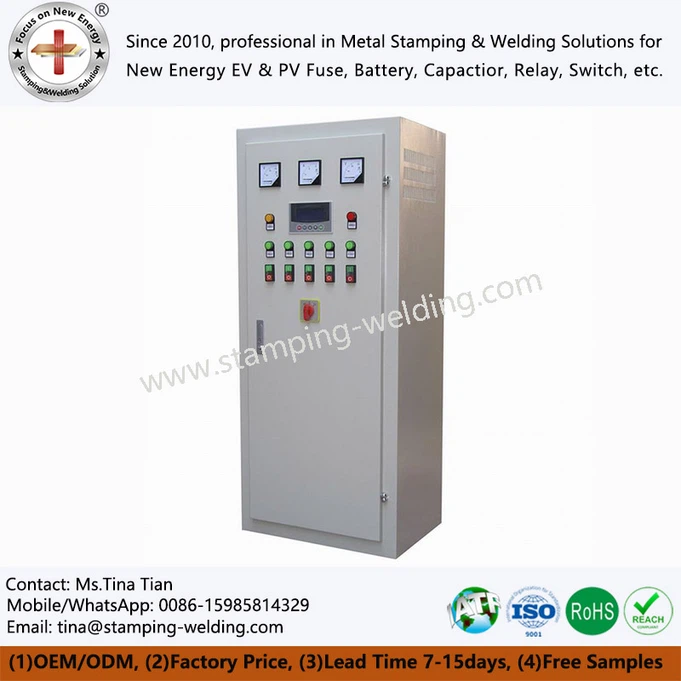
In modern industrial production and building automation, PLC control cabinet serves as the core control terminal, integrating various precision components such as PLC, frequency converter, contactor, etc. It operates in complex industrial environments for a long time and is prone to accumulate pollutants such as dust, oil, moisture, etc., becoming a hidden danger of equipment failure. Regular and scientific maintenance can effectively prevent problems such as poor heat dissipation, electrical short circuits, and poor contacts, avoiding safety accidents such as false alarms, equipment shutdowns, and even fires. It can not only extend the service life of components, reduce the operation and maintenance costs of Application cabinets, but also ensure production continuity and operational safety. It is an indispensable key link in industrial production.
Safety preparations before maintenance and upkeep
The maintenance of PLC cabinet components should adhere to the principle of safety first, and comprehensive preparations should be made before operation.
Firstly, develop a detailed maintenance plan, communicate with the production department in advance, and select equipment downtime periods to carry out operations.
Secondly, strictly follow the process of "power outage, power inspection, discharge, grounding, locking, and tagging". Authorized personnel should disconnect the higher-level power supply, confirm that the PLC panel cabinet is not powered, and fully discharge the energy storage components; Operators need to wear personal protective equipment such as insulated shoes and anti-static gloves, and prepare cleaning tools, specialized cleaning agents, and maintenance testing tools to ensure sufficient lighting, ventilation, and dryness in the maintenance area, laying a safe foundation for subsequent operations.
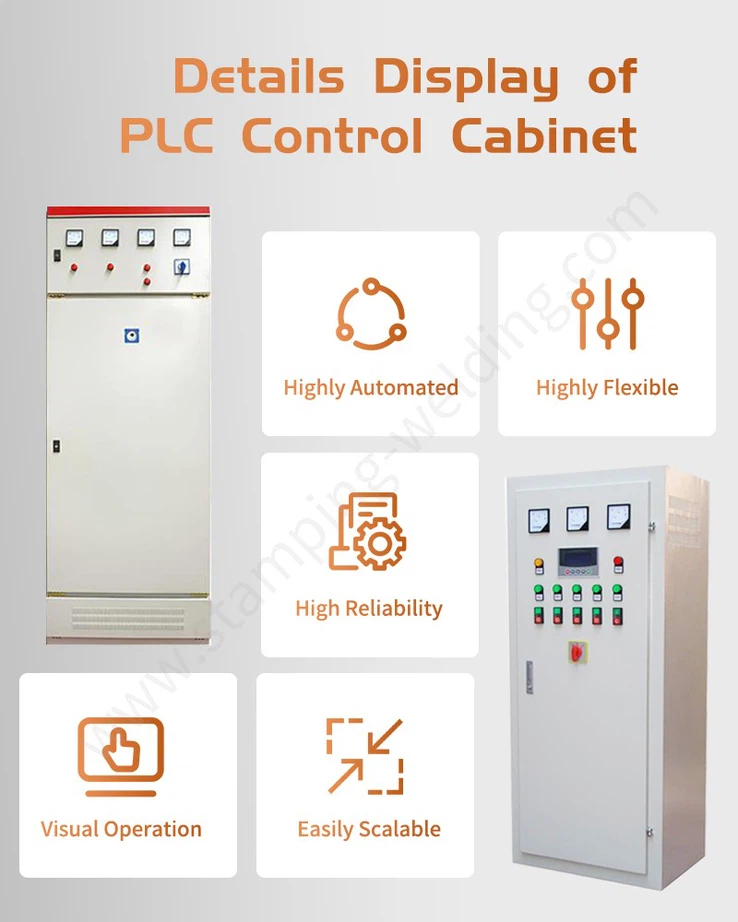
Standard cleaning procedures and key points for deep maintenance
The maintenance and upkeep of Standard PLC cabinets should follow the standard cleaning process of "from outside to inside, from dry to wet". First, clean the cabinet door, heat dissipation filter and other external components. Then, open the cabinet door and use an industrial vacuum cleaner to preliminarily remove dust from top to bottom, focusing on cleaning the bottom, wire trough and other dust accumulation areas. It is strictly prohibited to use high-pressure air guns to blow components directly.
For precision components, soft bristled brushes are used for fine dust removal. For stubborn stains, specialized electronic cleaning agents can be used for targeted wiping to avoid direct spraying of equipment.
After cleaning, a comprehensive inspection should be conducted to check whether the cables are aging or damaged, whether the terminals are loose or corroded. All connection points should be tightened according to standard torque, and insulation and power on tests should be carried out using tools such as megohmmeters and multimeters to verify that the Modular PLC cabinet is functioning properly.
Maintenance records and cycle development standards
Detailed maintenance records are the foundation of predictive maintenance. After each maintenance, it is necessary to truthfully fill out a record form, including the maintenance date, personnel, methods, discovered problems and solutions, test results, etc. of the Compact PLC cabinet, for easy traceability and equipment status tracking in the future. The maintenance cycle needs to be dynamically adjusted according to the operating environment. For clean environments, it should be done every 12 months. For general industrial environments, it should be done every 6 months. For harsh environments such as high dust and humidity, it should be done every 3 months or less. After new equipment or major repairs, it is recommended to conduct the first inspection and fastening of the Automation panel cabinet after one month of operation to ensure that maintenance work is normalized and standardized.
Contact us
If you have any needs for maintenance, process specifications, or related technical consultation of PLC cabinet components, please feel free to contact us at any time for communication. We can provide professional maintenance guidance and adaptation solutions based on your equipment operating conditions, helping your equipment operate stably for a long time.