Electroplating Silver on Copper: principles, applications, and process flow
Apr 16, 2026
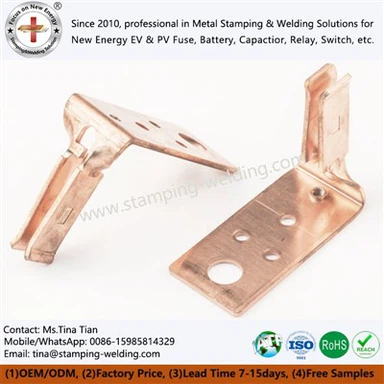
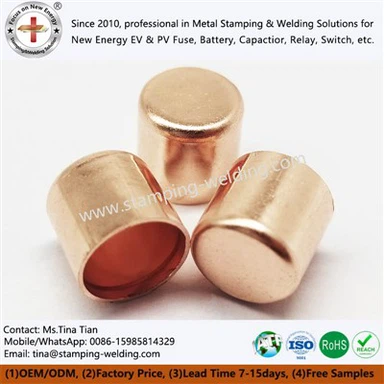
Copper silver plating is a surface treatment technology that covers the surface of a copper substrate with a metallic silver layer through electrochemical deposition. Copper and silver belong to Group IB in the periodic table of elements. They have similar crystal structures (face-centered cubic) and good lattice matching, which allows the silver layer to form a dense and high-binding interface on the copper matrix. From the perspective of material selection, copper as a base material has excellent electrical and thermal conductivity and is relatively low cost. However, its surface is easily oxidized in the air to form a cuprous oxide film with poor conductivity, and in a humid environment, basic copper carbonate (patina) will be further formed, causing the contact resistance to increase. The Silver Plated Copper composite structure combines the excellent electrical conductivity of copper with the stable interface properties of silver. The silver plating layer has the highest electrical conductivity among all metals, and also has good chemical stability and solderability. In electrical connection systems, the Silver Plated Copper Plate process is the mainstream technology route for manufacturing low contact resistance and high reliability terminals, especially in high current or high frequency signal transmission scenarios, which has an irreplaceable status. For stamped conductive parts, Stamped Copper Terminal can obtain better surface contact performance based on good copper forming through subsequent silver plating.
process flow
Silver plating on copper materials belongs to the category of electroplating. Its basic principle is to use an external DC power supply to immerse the copper parts to be plated as a cathode in an electrolyte containing silver ions. The silver anode dissolves and releases silver ions under the action of current. A reduction reaction of silver ions occurs on the surface of the cathode, and a metallic silver layer is deposited. The entire process usually includes the following steps: organic degreasing, pickling activation, pre-plating, silver plating, recycling, cleaning, passivation or anti-discoloration treatment, and drying. Among them, the quality of Silver Coated Copper is highly dependent on the thoroughness of pre-treatment and the stability of the plating bath parameters.
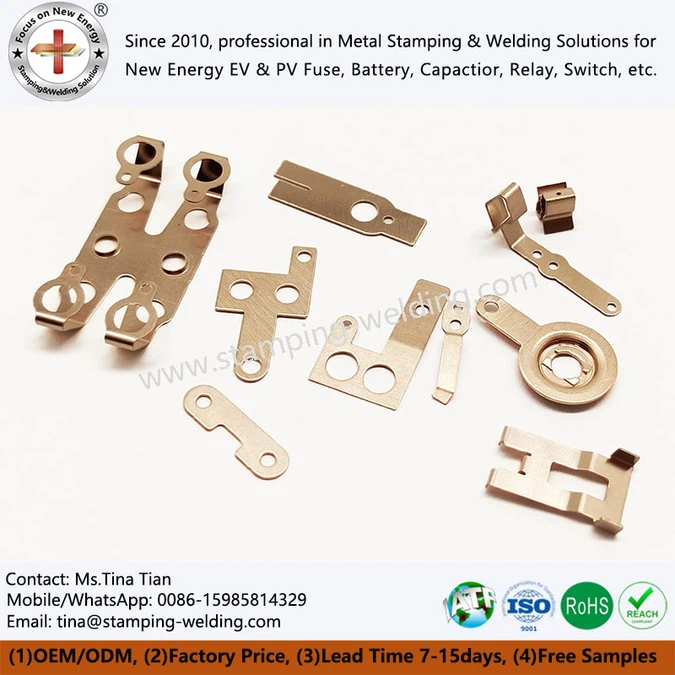
For stamping parts with complex shapes, such as Stamping Parts Copper Spring or Copper Spring Electrical Parts, strict degreasing and activation treatments are required before silver plating to ensure that the inner surface of the spring leaf can also be covered with a uniform silver layer. The pre-plating layer is a layer of intermediate metal set between the copper substrate and the silver layer - commonly used pre-copper or pre-nickel plating - its function is to avoid the direct exposure of the copper substrate in the cyanide-containing silver plating solution and the replacement reaction, while covering the minor defects on the surface of the copper substrate and providing a smoother bottom layer.
Main application areas
Power and distribution equipment: Silver-plated copper technology is widely used in contact fingers in high-voltage switch cabinets, dynamic and static contacts of isolation switches, and terminal blocks of high-current circuit breakers. Silver Plated Copper assume the core function of making and breaking current in switchgear. The silver layer reduces the contact resistance and temperature rise of the contacts during the closing and breaking processes. Communication and RF connectors: The signal terminals of RF coaxial connectors and high-speed backplane connectors require extremely low contact resistance and signal reflection loss, and the Silver Plated Copper Plate process has mature engineering practices in such applications.
New energy vehicle high-voltage connector: The Stamped Copper Terminal in the electric vehicle high-voltage connection system is silver-plated to maintain low and stable contact resistance under long-term vibration, temperature cycles, and humid and hot environments. It is a key interface for energy transmission between the battery pack and the electronic control unit. Switch and socket components: Electrical Copper Stamping Parts Blancing Board For Switches. The copper conductive parts used in Switches are silver-plated to effectively reduce the contact resistance and arc ablation at the moment the switch is turned on, and extend the electrical life of the switch. Copper Spring Electrical Parts maintains the elastic properties of the spring and obtains an excellent contact interface after silver plating.

contact us
We specialize in precision metal stamping and plating solutions and have proven experience in the field of electrical connections and conductive components. If you have needs for Electroplating Silver on Copper, precision copper stamping and related electrical contact components, welcome to learn more about our processes and product services.