Industry application and technical analysis of stainless steel stamping parts
Apr 14, 2026
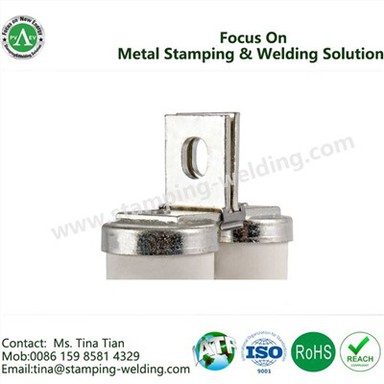
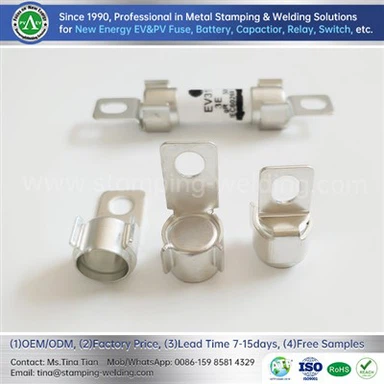
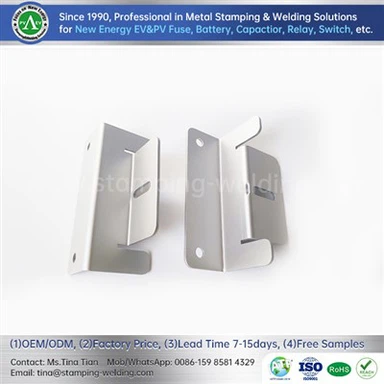
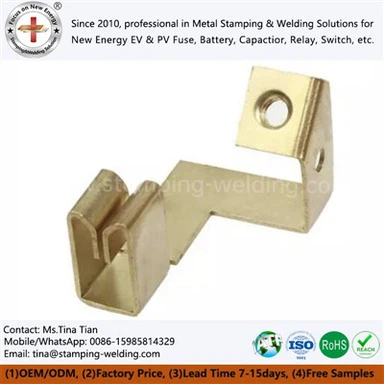
Stamping sheet metals are metal parts manufactured through a precision stamping process, which involves placing stainless steel sheets between dies and applying pressure to plastically deform them into specific geometric shapes. As a typical product of the stamping process, this type of parts makes full use of the excellent corrosion resistance, mechanical strength and surface aesthetics of stainless steel materials, and is widely used in industrial fields with strict reliability requirements.
Material properties
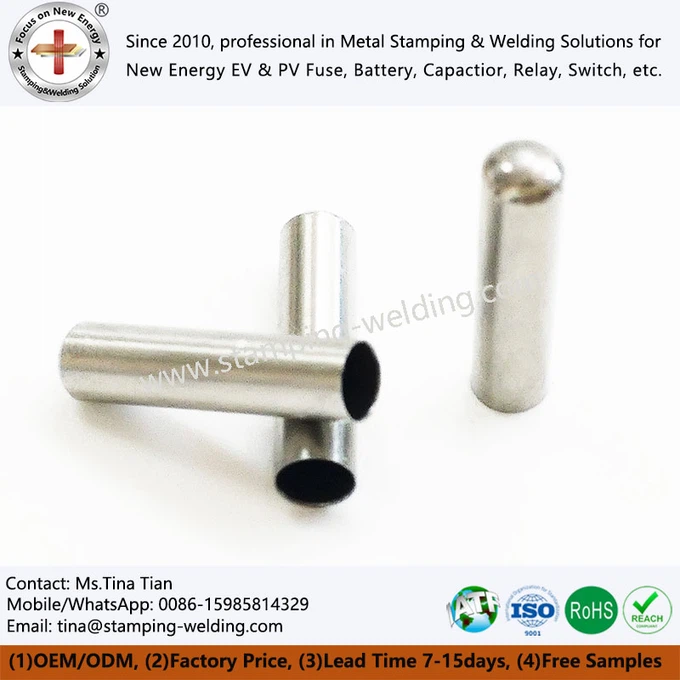
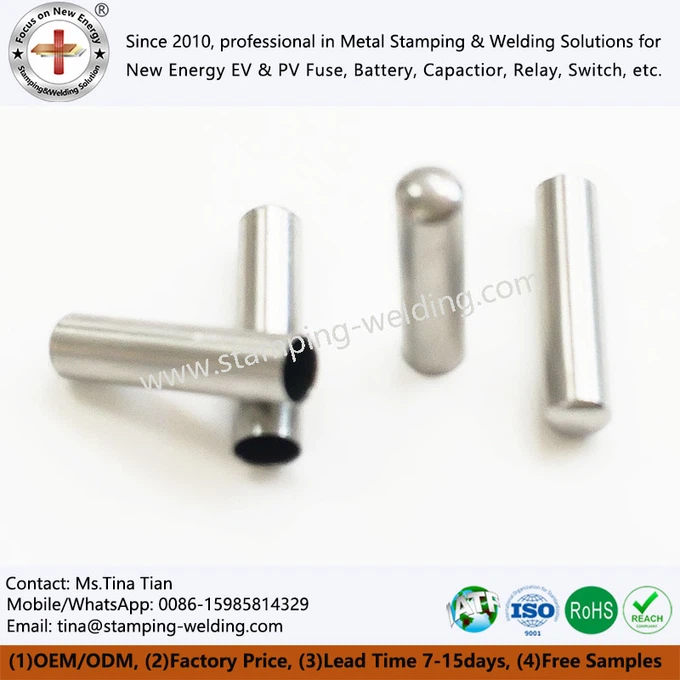
In the field of Stainless Stamping, the choice of stainless steel material directly affects the performance of the finished product. Commonly used stainless steel grades include 304, 316, and 410 series. Among them, 304 stainless steel has become the first choice for its balanced corrosion resistance and processability. 316 stainless steel is suitable for marine and chemical environments due to its excellent pitting corrosion resistance brought by the addition of molybdenum. 410 martensitic stainless steel can obtain higher hardness through heat treatment to meet wear resistance requirements. These material properties, combined with advanced processes such as progressive die stamping, give Custom Stainless Steel Stamping the advantages of rust resistance, high temperature resistance, and fatigue resistance, making them particularly suitable for long-term service under harsh working conditions.
Main application areas
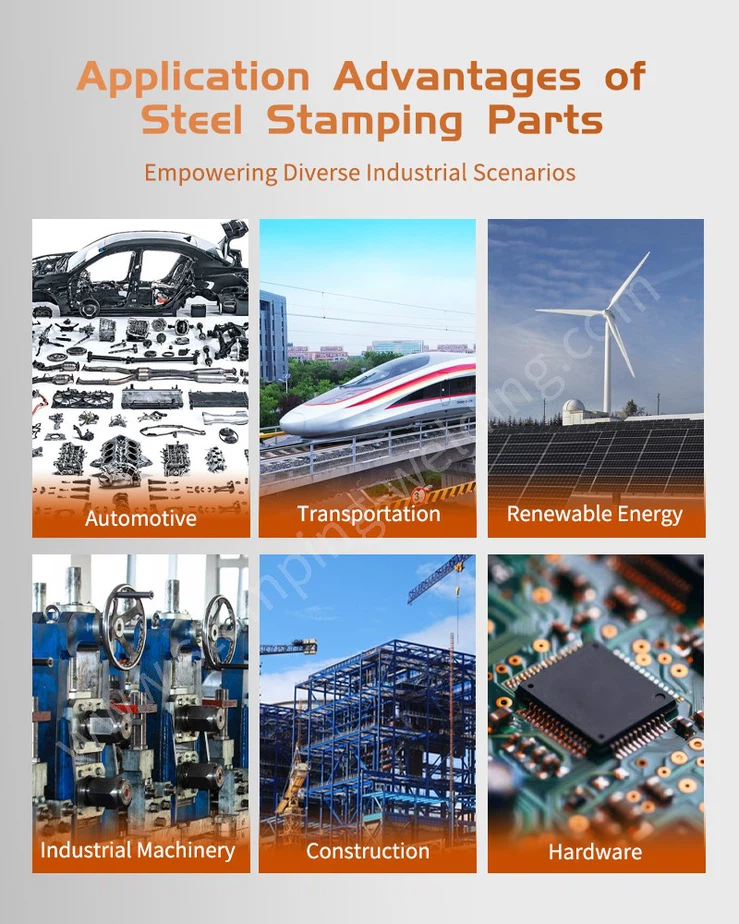
The automotive industry is an important market for Stainless Stamping, and its products cover key parts such as chassis brackets, exhaust system components, and fuel line fixing clips. These parts need to maintain structural integrity in environments with vibration, high temperature, and corrosive media. The mass production capabilities of custom metal stamping parts are exactly in line with the scale needs of the automotive manufacturing industry.
The field of medical devices has strict regulations on material biocompatibility. 316L low-carbon stainless steel stamping parts are widely used in surgical instruments, implant fixation devices and diagnostic equipment casings. The non-cutting nature of the Stainless Steel Sheet Metal Stamping process avoids burr residue and reduces the complexity of subsequent surface treatment processes.
The electronic and electrical industry utilizes the electromagnetic shielding properties and heat dissipation properties of Sheet Metal Stamping and applies it to connector terminals, precision shrapnel and heat sink components. With the popularization of 5G communications and new energy vehicles, the demand for miniaturization and high precision of sheet metal stamping continues to grow.
The fields of building hardware and industrial equipment also rely on the structural function and decorative value of stainless steel stamping parts. From curtain wall connectors, pipe clamps to kitchenware accessories, Precision Metal Stamping has both mechanical properties and aesthetic performance.
contact us
We focus on providing high-quality stamping sheet metal solutions and have advanced mold design and manufacturing capabilities to meet various needs from prototype development to mass production. If you are looking for a reliable stainless steel stamping parts supplier, welcome to contact our technical team, we will provide you with the most competitive customized manufacturing services based on your drawings and specifications.