Full Analysis of Stainless Steel Sheet Metal Stamping Process: Materials, Processes, and Applications
Jan 26, 2026
The core value and positioning of Stainless Steel Sheet Metal Stamping process
Steel Stamping is one of the core processes in the field of metal parts manufacturing, occupying an important position in multiple industrial fields due to its excellent durability, dimensional accuracy, and structural strength of finished products. This process applies precise pressure to stainless steel plates through molds and punches, causing plastic deformation or separation of the material, and ultimately forming components that meet the needs of various industries. It is widely used in many fields such as automotive, medical equipment, aerospace, etc.
The core value of Stamping 304 Stainless Steel lies in its deep adaptation of material properties and precise control of the manufacturing process. It is an organic combination of power application and materials science, which requires sufficient pressure output and relies more on a deep understanding of stainless steel performance and detailed process planning in the early stage. Thoroughly mastering the relevant knowledge of Stainless Stamping is of great significance for optimizing the manufacturing process of components and improving product quality.

Material foundation: properties, classification, and core advantages of stainless steel
To understand the Stainless Steel Sheet Metal Stamping process, it is necessary to first clarify the core properties and classification of stainless steel. Stainless steel is essentially an iron-based alloy, and its most prominent feature is excellent corrosion resistance, which is due to the at least 10.5% chromium content in the material. Chromium reacts chemically with oxygen in the air to form a dense oxide protective layer on the metal surface, effectively isolating the corrosion of external corrosive media. This core advantage distinguishes it from ordinary carbon steel and makes it an ideal material for industrial applications that have strict requirements for durability and service life.
Progressive Die Heavy Metal Stamping, commonly used in the industrial field, can be divided into four categories based on their organizational structure. Each type of material has its own performance characteristics and application scenarios. Austenitic stainless steel is the most widely used category, with non-magnetic properties and excellent corrosion resistance. Typical grades include 304, 316, etc. Its excellent formability and weldability make it a mainstream material in industries such as food processing and pharmaceuticals that require high hygiene conditions and corrosion resistance. Ferritic stainless steel, represented by grades 430 and 446, has moderate corrosion resistance and magnetism, achieving a good balance between performance and cost. It is commonly used in automotive parts, kitchen appliances, and other scenarios. Martensitic stainless steel grades such as 410 and 420 can achieve hardness strengthening through heat treatment, and also have magnetism and moderate corrosion resistance, making them suitable for manufacturing products with requirements for strength and wear resistance.
The multiple advantages of stainless steel itself have laid a solid foundation for its application in the Custom Stainless Steel Stamping process. In addition to its core corrosion resistance, stainless steel also has an outstanding strength-to-weight ratio - while ensuring durability, it is lighter in weight compared to other similar metal materials. This feature is highly valuable in industries such as automotive and aerospace that have strict requirements for weight reduction. Hygiene is another core advantage of stainless steel. Stainless Metal Stamping's stainless steel has a non-porous surface structure that is not prone to bacterial and pathogen growth, and is easy to clean, fully meeting the strict hygiene standards of medical equipment, kitchen utensils, food processing plants, and other scenarios. In addition, stainless steel has strong aesthetics and versatility, and can achieve different surface effects through various methods such as mirror polishing and matte treatment, which can meet functional requirements and also adapt to the design requirements of decorative scenes. From an environmental perspective, stainless steel can be 100% recycled, and there will be no performance degradation during the recycling process, which is in line with the concept of circular economy and can effectively reduce the impact of new product manufacturing on the environment.

Fundamentals of Metal Stamping Techniques and Adaptation to Stainless Steel Stamping Scenarios
Metal Stamping is the process foundation of stainless steel stamping, which essentially uses a press equipped with a dedicated mold to press preset patterns and shapes onto metal sheets or strips. Custom Metal Stamping is not a single cutting operation, but covers multiple core technologies such as punching, embossing, bending, flanging, and embossing, which can be combined and applied according to the design requirements of the components. The core advantage of metal stamping lies in its large-scale production capacity - the ability to mass produce components of the same specifications with stable accuracy and efficient speed, which is a key supporting process for large-scale industrial production. From precision electronic components of smartphones to large structural components of cars and airplanes, Progressive Die Stamping technology plays an indispensable role, and its precision and efficiency make it one of the core processes of modern manufacturing.
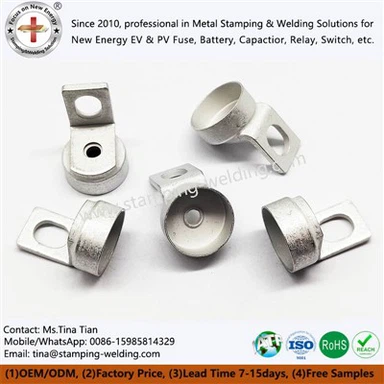
Stainless Steel Stamping Parts are applied in core fields such as automotive, medical, electronics, aerospace, consumer goods, construction, and industrial machinery. With advantages such as corrosion resistance, strength, and hygiene, they are suitable for harsh working conditions in various industries and are key components of various equipment. 304 and 316 are the most suitable stainless steel grades for stamping: 304 has balanced performance and is suitable for most conventional scenarios; 316 has stronger corrosion resistance due to its molybdenum content, making it suitable for harsh corrosive environments such as ships and chemicals.

The industrial value and significance of OEM Stainless Steel Stamped process
The development and improvement of Metal Forming technology provide efficient and precise component processing solutions for modern industrial manufacturing. With the excellent performance of materials and the advantages of large-scale processes, it has become an important support for innovative development in multiple core industries such as automotive, aerospace, medical, and electronics. Mastering the material characteristics, process points, and application scenarios of stainless steel stamping is of great practical significance for optimizing product design, improving manufacturing efficiency, and ensuring product quality. It is also a key foundation for promoting technological upgrading and industrial development in related industries.
contact us
Our Stainless Steel Sheet Metal Stamping is exquisitely made with strict quality control, high precision and great adaptability. Contact us for custom needs, specs, quotes or delivery-we offer one-stop solutions to realize your project potential!