How to Select the Right Electric Busbar for Your Project
Aug 28, 2025
In electrical projects-from data centers to industrial plants-electric busbar is a key component. It distributes power safely and efficiently. As industries shift to high-power systems (like EV charging stations), choosing the right one becomes critical. This article will share how to select the right busbar, covering key factors, application fits, and introduce Xiamen APOLLO's reliable products.
Evaluate Current and Voltage Requirements First
1. Match Busbar Capacity to Project Load
Every such busbar has a maximum current rating. Calculate your project's peak current (e.g., from machinery or servers). Choose a busbar that exceeds this load to avoid overheating and power loss.
2. Consider Voltage Compatibility
Copper busbar works well for medium to high-voltage projects (like 10kV industrial systems). For low-voltage setups (e.g., residential panels), confirm the busbar's voltage tolerance to ensure stable power distribution.
3. Account for Future Load Increases
Leave room for expansion. If your project may add equipment later, select a copper busbar with higher capacity than current needs. This avoids replacing the busbar prematurely and saves costs.
Choose the Right Material Based on Environment
1. Copper solid bus bar is ideal for humid or corrosive areas (like outdoor power stations). It resists rust and moisture, maintaining conductivity even in harsh conditions.
2. Solid copper bus bar has strong heat dissipation. For high-temperature environments (e.g., factory workshops), it prevents overheating better than aluminum alternatives.
3. For dry, low-load projects (e.g., small offices), you may opt for other materials. But copper solid bus bar is still preferred for long-term reliability and low maintenance.
Check Mechanical and Installation Features
Ensure Mechanical Strength for the Space
Electrical copper busbar has good mechanical stability. If the project is in a vibrating area (like near generators), choose a thick, rigid busbar to avoid bending or loose connections.
Pick Easy-to-Install Designs
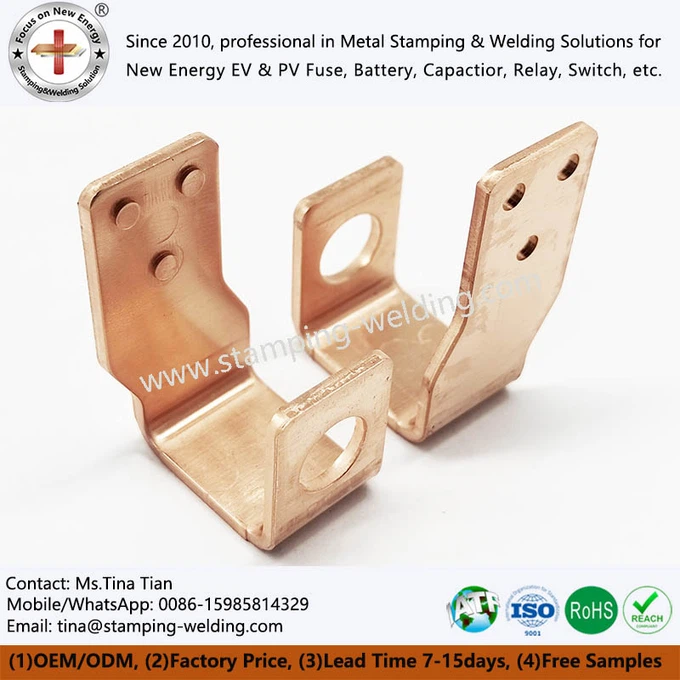
Look for electrical copper busbar with pre-drilled holes or modular designs. This speeds up installation, reduces labor time, and ensures correct connections-critical for large projects with tight deadlines.
Confirm Compatibility with Existing Components
The busbar must fit with other parts (e.g., circuit breakers, connectors). Check dimensions and connection types of electrical copper busbar to match your project's existing setup.
Align with Project Application Scenarios
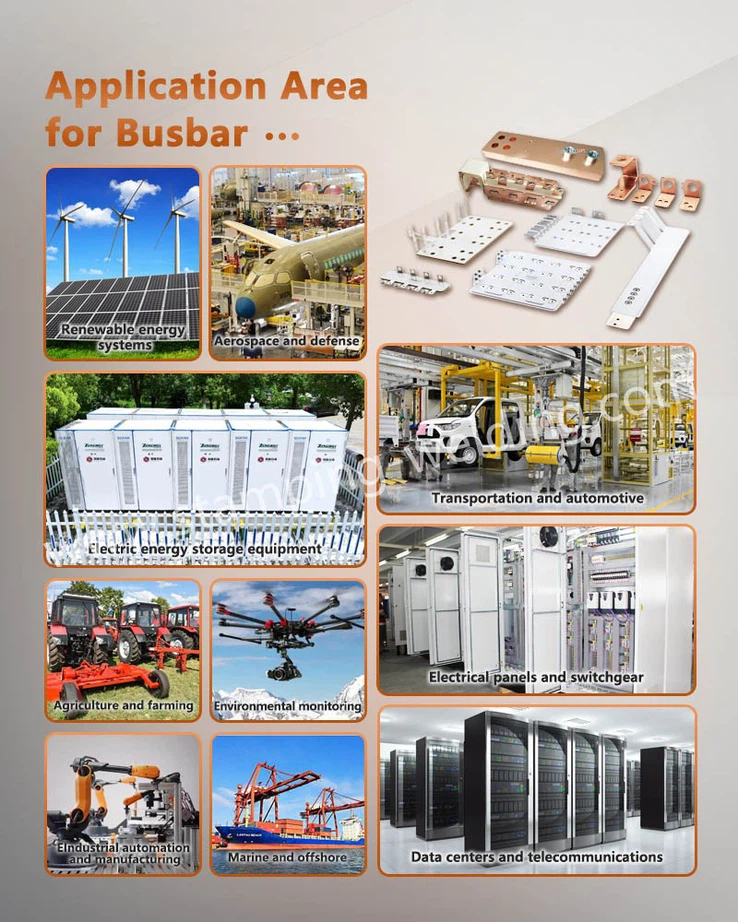
Different applications need specific busbars. In renewable energy (solar farms), copper busbar handles high currents from panels efficiently. In data centers, electric busbar with low resistance ensures stable power for servers. In EV charging stations, solid copper bus bar withstands frequent power surges. For residential buildings, compact electrical copper busbar fits in small electrical boxes while meeting home power needs.
Xiamen APOLLO's Reliable Busbar Solutions
Xiamen APOLLO offers a range of high-quality busbars for diverse projects. Our copper busbar uses 99.9% pure copper, ensuring low resistance and excellent conductivity. Each copper solid bus bar undergoes precision processing, meeting strict size standards (thickness 1mm–50mm, length customizable).
We provide global delivery via sea, land, and air-no matter your location, we ship on time. All our electrical copper busbar has ISO 9001 and CE certifications, guaranteeing quality and safety. We also offer custom services: need solid copper bus bar with special surface treatments or hole layouts? Our team designs solutions to fit your project. At Xiamen APOLLO, we help you select and get the right electric busbar for reliable project operation.
contact us