Industry Insights into Aluminum Flexible Connections
Jul 11, 2025
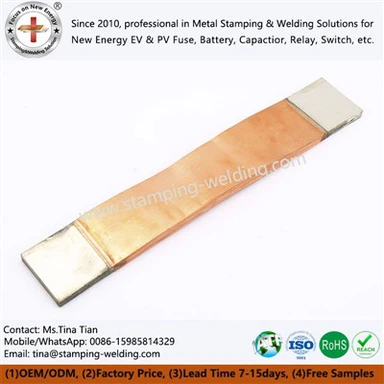
Aluminum flexible connections are crucial components in electrical power distribution systems. They are designed to provide a reliable and flexible means of connecting different electrical components, allowing for movement, vibration absorption, and thermal expansion. These connections play a vital role in ensuring efficient power transfer in various applications, from new energy vehicles to industrial machinery.

Types of Products
1. 6101 Aluminum Bus Bar
The 6101 aluminum bus bar is a popular choice due to its good electrical conductivity and mechanical properties. It is often used in applications where a balance between strength and conductivity is required. In the context of Aluminum Busbars, 6101 aluminum bus bars can be used as the base material, providing a stable and conductive foundation. Their properties make them suitable for use in new energy systems, such as in electric vehicle (EV) battery packs, where they need to withstand mechanical stress and ensure efficient power transfer.
2. Tin-Plated Aluminum Bus Bar
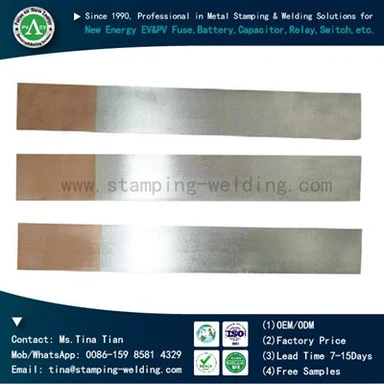
It offers enhanced corrosion resistance. The tin plating acts as a protective layer, preventing the aluminum from being corroded in harsh environments. This type of bus bar is beneficial for Aluminum Busbars used in outdoor or high-humidity applications, like photovoltaic (PV) power stations. The tin plating also improves the solderability of the bus bar, making it easier to connect to other components in the electrical system.
3. 6101 T61 Aluminum Bus Bar
The 6101 T61 aluminum bus bar is a heat-treated variant of the 6101 aluminum alloy. This heat treatment process enhances its mechanical strength and hardness. In Aluminum Busbar Electrical Power Connector, the 6101 T61 aluminum bus bar can be used in applications where higher strength is required, such as in heavy-duty industrial machinery or the power distribution systems of large-scale EV charging stations.
4. 6061 Aluminum Bus Bar
The 6061 aluminum bus bar is known for its excellent mechanical properties, including high strength - to - weight ratio. It is widely used in various industrial applications. For aluminum flexible connections, 6061 aluminum bus bars can be used in situations where both strength and lightweight are important, such as in the aerospace industry or in portable electrical equipment.
Manufacturing Process of Products
1. Material Selection
As an Aluminium busbar manufacturer, the first step in producing aluminum flexible connections is selecting the appropriate aluminum alloy. Depending on the application requirements, alloys like 6101, 6061, or their variants (such as 6101 T61) are chosen.
2. Forming and Shaping
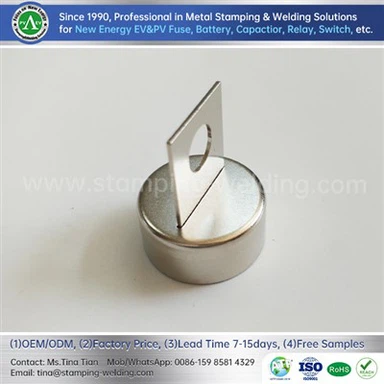
The aluminum bus bar undergoes processes like laser cutting and CNC bending (as shown in the relevant images). Laser cutting ensures precise dimensions, allowing the bus bar to be cut into the required shape for the flexible connection. CNC bending then shapes the bus bar to fit the specific application, ensuring that it can accommodate movement and vibration.
3. Surface Treatment
For tin-plated aluminum bus bars, the surface treatment involves plating the aluminum with tin. This process not only provides corrosion resistance but also improves the electrical contact and solderability. Other surface treatments may also be applied, depending on the application.
4. Assembly of Flexible Connections
The processed aluminum bus bars are then assembled into flexible connections. This may involve attaching connectors, insulators, or other components to the bus bar. The assembly process requires precision to ensure that the flexible connection functions correctly and provides a reliable electrical connection.

Products Applications
New Energy Vehicles |
In NEVs, Customized Aluminium Busbars are used in battery packs, motor controllers, and charging systems. For example, in an EV battery pack, they connect individual battery cells to the main power circuit. The flexibility of these connections allows for the movement of battery cells during vehicle operation and helps to absorb vibrations, ensuring the long-term reliability of the battery system. |
PV Power Stations |
Use Aluminum Busbar Electrical Power Connector to connect solar panels to the inverter and other components of the power generation system. The corrosion-resistant properties of tin-plated aluminum bus bars are particularly useful in the outdoor environment of PV power stations, where they are exposed to sunlight, moisture, and other environmental factors. |
Industrial Machinery |
In industrial machinery, aluminum flexible connections are used in power distribution systems to connect motors, controllers, and other electrical components. The high-strength properties of alloys like 6101 T61 make them suitable for use in heavy-duty machinery, where they need to withstand mechanical stress and ensure a continuous power supply. |
Telecommunications |
In the telecommunications industry, Customized Aluminium Busbars are pivotal in base stations and data centers. They serve to link power distribution units, servers, and communication equipment. Aluminum's excellent electrical conductivity guarantees a stable power supply for these high-tech facilities. Meanwhile, its flexibility enables easy installation and maintenance within the intricate layouts of telecommunication racks. |
Rail Transit Systems |
Rail transit, encompassing subways and high-speed trains, depends on 6061 Aluminum for its electrical systems. In subway trains, they are utilized in the traction power supply system, connecting the pantograph (which draws power from the overhead line) to the train's internal power distribution network. The high strength and corrosion resistance of aluminum alloys (such as the 6061 and 6101 series) make them well-suited for the harsh operating environments of rail transit. |

Contact Us