Key selection points and industry application value of Copper end cap fitting in pipeline engineering
Apr 07, 2026
The core functions and engineering value of Copper end cap fitting
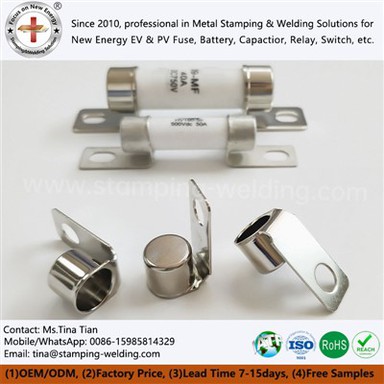
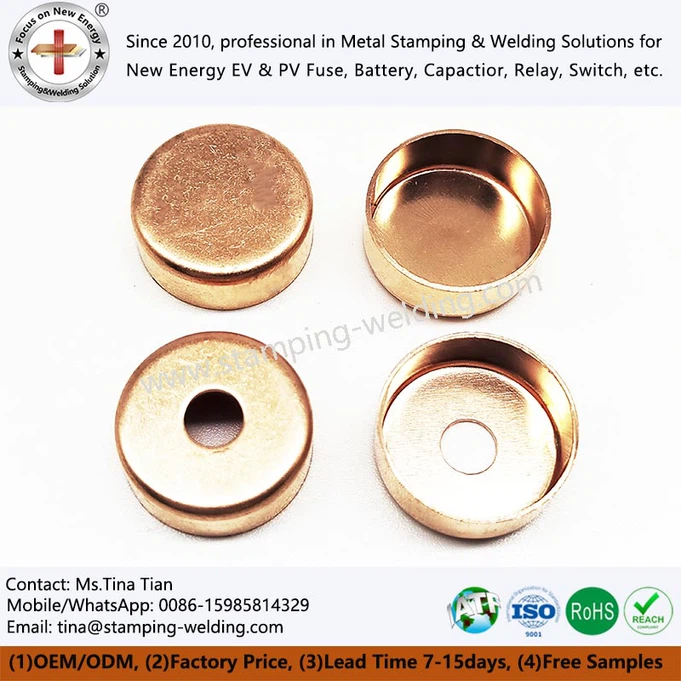
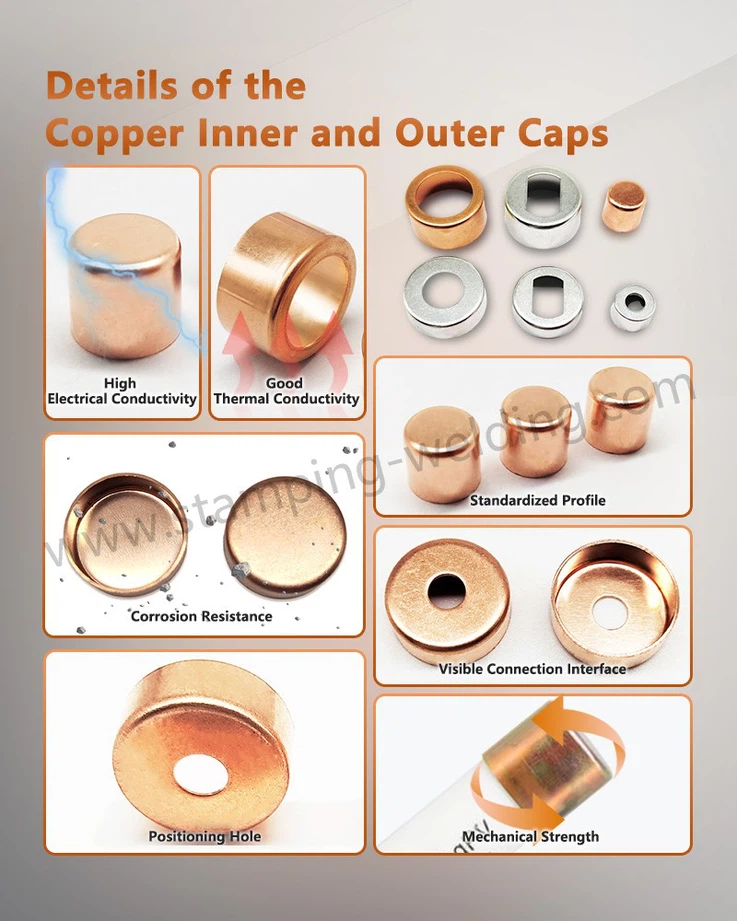
Copper end cap solder fittings , as critical terminal fittings in pipeline engineering systems, play a decisive role in the integrity and operational stability of the system. Its quality is directly related to the sealing effect, service life, and operational safety of the pipeline. The copper end cap uses high-purity copper as the substrate, and with excellent corrosion resistance, thermal conductivity, ductility, and sealing adaptability, it undertakes the core tasks of pipeline end sealing, medium leakage prevention, and internal component protection. Compared with ordinary materials, copper end caps exhibit better stability under complex working conditions such as high temperature, high pressure, humidity, and corrosive environments. They can effectively prevent medium leakage, isolate external dust and impurities from entering the interior of the pipeline, and avoid rusting, blockage, or functional failure of pipeline components.
In addition, a reasonable structural design combined with the physical properties of copper itself can reduce vibration and noise during pipeline operation, improve system efficiency, and extend the overall service life of the pipeline. In scenarios such as hospitals, chemical plants, and precision electronics workshops that require extremely high safety and cleanliness, the adaptability and reliability of Custom copper caps are indispensable guarantees.
Key factors for selection: adaptability to working conditions and size matching
Choosing the appropriate Copper end cap fitting should be based on a comprehensive analysis of the core influencing factors, rather than considering a single parameter. The primary concern is the adaptability index of operating conditions, where the working temperature range and maximum allowable pressure value must be strictly matched with the actual working conditions of the pipeline system. In different engineering scenarios, the temperature and working pressure of pipeline media vary significantly. For example, the end caps required for industrial steam pipelines and high-temperature fluid transport pipelines need to have higher high-temperature and compressive resistance, and sufficient safety margins should be reserved to avoid sealing failure due to material aging or structural deformation during long-term operation.
Secondly, precise matching of size specifications is the foundation, and the inner diameter, outer diameter, wall thickness, and connection method of the Copper metal end cap need to fully match the existing pipeline interface size. Excessive size deviation not only affects the sealing effect, but may also lead to installation difficulties or interface damage. In addition, material purity and process accuracy also need to be carefully considered. High quality end cap copper is usually made of high-purity copper sheets such as T2 and T3, and processed through precision stamping or forging processes to ensure a smooth surface, no burrs, and controllable dimensional tolerances, thereby improving the fit with pipeline interfaces.
Cost control strategy: full lifecycle budget planning
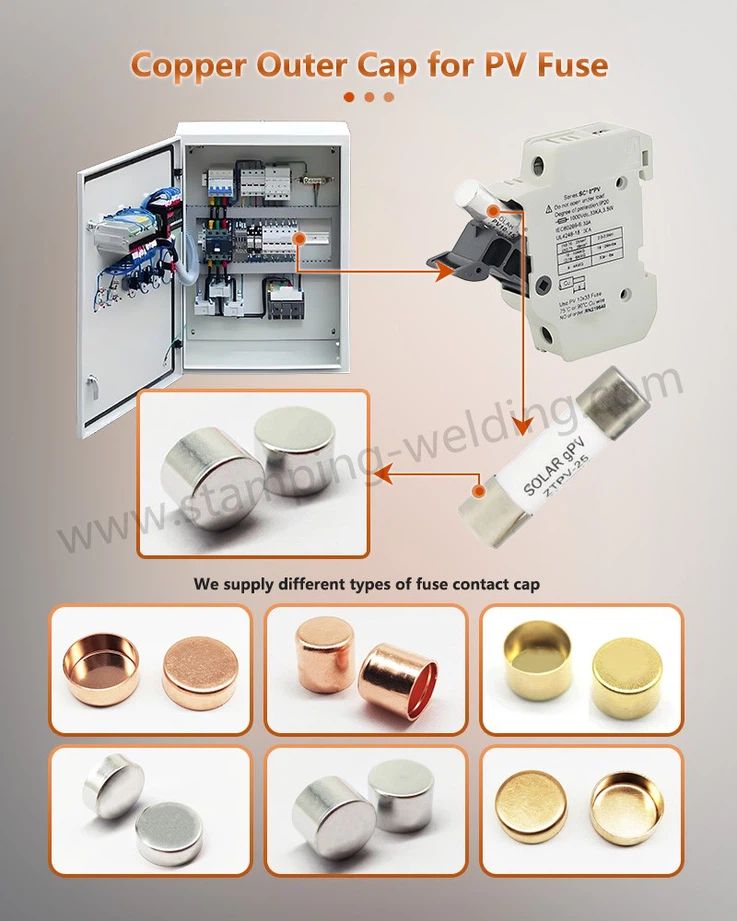
In the selection process of Copper outer cap for industrial power fuse, budget planning and cost-benefit evaluation are indispensable links, especially for bulk procurement or large-scale engineering projects, a balance needs to be struck between cost control and quality assurance. There are two extreme views within the industry, namely "emphasizing price over quality" or "blindly pursuing high-end", both of which are biased. Scientific budget planning should be based on actual engineering needs, combined with multidimensional factors such as working conditions, service life, and maintenance costs for comprehensive judgment. Although low-priced copper end caps can reduce initial procurement costs, they often have problems such as insufficient material purity and rough processes, which may cause leakage, corrosion, and other failures during long-term operation. This not only increases maintenance and replacement costs in the later stage, but also may pose safety hazards.
On the contrary, high-end Copper pipe caps are not suitable for all scenarios. Under normal working conditions, choosing mid-range products that meet industry standards and are parameter adapted can usually achieve maximum cost-effectiveness. In addition, a certain proportion of post maintenance costs should be reserved in the budget, and the full lifecycle cost should be calculated based on the product's service life and replacement cycle to avoid excessive increase in post operation and maintenance investment due to initial budget compression.
Common Misunderstandings Analysis and Selection Principles
In practical engineering, there are often several misunderstandings in the selection of Copper pipe end caps, which need to be analyzed.
Firstly, it is believed that "the performance of any copper material end cap is the same", but in fact, copper end caps with different purities and processing techniques have significant differences in corrosion resistance, sealing life, and mechanical strength.
Secondly, neglecting the matching between operating parameters and product grade, such as using high-grade end caps in low-pressure and room temperature systems causing waste, or using ordinary end caps in high-temperature and high-pressure systems causing early failure.
Thirdly, ignoring the impact of installation technology on sealing effectiveness, even if the quality of the Fuse copper cap itself is qualified, if the torque is not controlled, the interface is not cleaned, or suitable sealing materials are not used during installation, leakage may still occur. The correct selection principle should be: based on the operating parameters, select products with corresponding pressure and temperature levels; Constrained by dimensional accuracy to ensure interface matching; Prioritize the use of certified mature products to ensure process stability. At the same time, it is recommended to conduct sample validation before bulk procurement, simulate actual working conditions to test sealing performance and durability, in order to reduce selection risks.
Contact us
If you need further technical parameter confirmation or sample support in the actual Copper end cap fitting selection, please feel free to communicate with us at any time. We will provide you with professional selection suggestions and engineering cooperation.