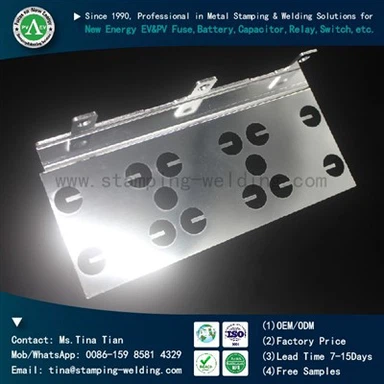
Material properties and application analysis of bus bar aluminium
Apr 28, 2026
Bus bar aluminium is the core conductor structure used to carry and distribute electrical energy in modern power systems. Its material is based on aluminum and is formed through a specific process. It has stable electrical and mechanical properties. To understand its working principle, we can start by establishing a steady-state transmission path within the conductor. Current tends to flow along the path with the lowest resistance. In the 6101 aluminum bus bar, high-purity aluminum provides a large number of free electrons, and the atomic lattice arrangement determines the efficiency of electron migration. When the conductor cross-section is large enough, the electron flow is more evenly distributed and the heat accumulation per unit area is reduced. The central cubic crystal structure of aluminum at room temperature results in less lattice scattering when electrons are driven by an electric field, which is the basic physical reason for its conductivity.

structural advantage
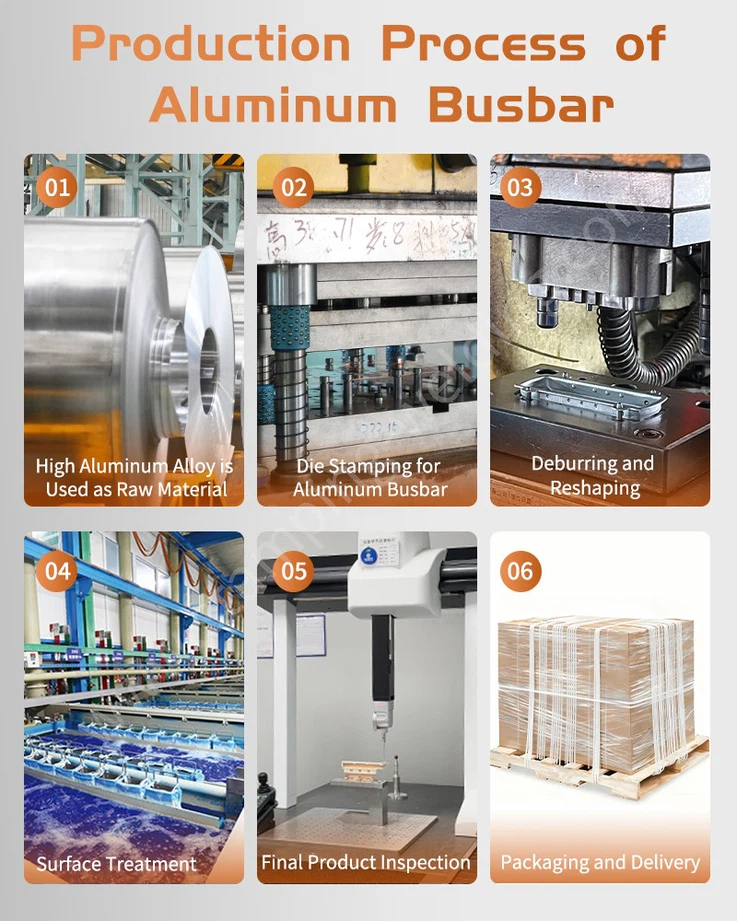
Although aluminum has a lower electrical conductivity than copper, its low density translates into a structural advantage in certain scenarios. Under the same current-carrying capacity, the cross-sectional area of the aluminum conductor needs to be increased, which also optimizes the surface area to volume ratio. The larger surface area facilitates heat dissipation to the environment, while the lighter mass reduces the mechanical load on the supporting structure. For example, the 6061 aluminum bus bar has unique adaptability due to the above characteristics in long-distance laying or large-span installation. Aluminum will quickly form a dense, high-resistance oxide film in the air. Therefore, during the connection process of Aluminum Busbars, tin plating or conductive paste must be used to isolate the air and maintain a low resistance state on the contact surface. At the same time, the pressure design at the connection should be enough to destroy the microscopic protrusions, increase the effective contact area, and ensure a smooth transition of electrons.
Thermal management perspective
From the perspective of thermal management, the aluminum-based busbar is always in a state of dynamic thermal equilibrium during operation. The Joule heat generated when current passes through a conductor, the heat capacity characteristics of the conductor itself, and the rate of heat dissipation to the surrounding environment jointly determine its steady-state temperature rise level. The geometry of the cross-section has a direct impact on heat dissipation efficiency.
Rectangular cross-sections, grooved cross-sections or specially designed hollow structures often have better heat dissipation perimeter and convection heat transfer effects than traditional solid circular cross-sections. During the design stage, multiple factors such as rated current density, ambient temperature fluctuation range, installation method and ventilation conditions need to be comprehensively considered. Through accurate thermal simulation and calculation, it is necessary to ensure that the operating temperature is always within the material safety threshold and the insulation system's tolerance capability. 6101 t61 aluminum bus bar is optimized through T61 heat treatment state, which improves mechanical strength while maintaining good thermal conductivity, providing a greater safety margin for thermal management design.
application scenarios
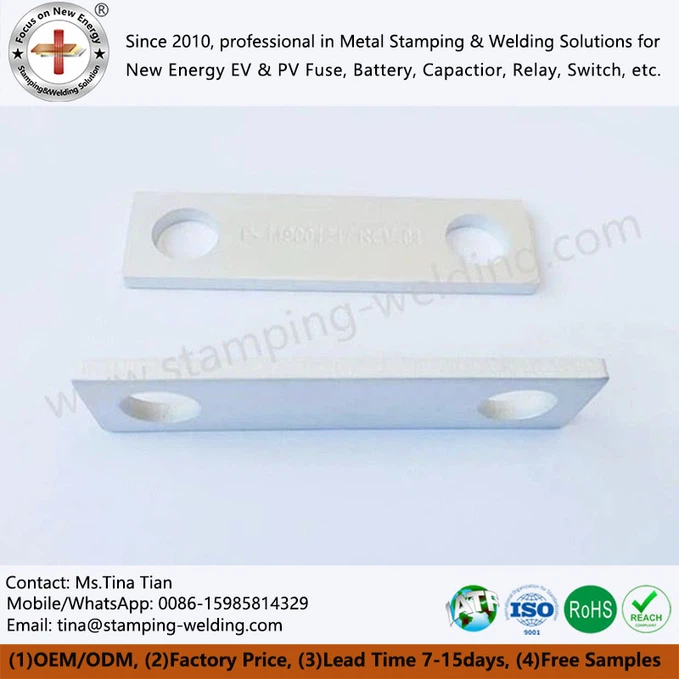
In such as new energy power generation, data centers, rail transit, and large-scale industrial power distribution, aluminum-based busbars have been widely used due to their cost-effectiveness and lightweight characteristics. During product development, Aluminum Busbar Manufacturer needs to carry out customized designs according to the special needs of different industries, such as heat dissipation correction in high-altitude areas, anti-corrosion enhancement in coastal environments, or space optimization of compact switch cabinets. Customized Aluminum Busbars can provide flexible solutions in terms of conductor cross-section, insulation configuration, connection methods, etc., based on specific engineering parameters to ensure accurate matching of products and site conditions.

contact us
We are committed to providing customers with high-performance, high-reliability conductive solutions. The company's products cover a variety of alloy models and process types, and can provide technical selection support and customized production services based on application scenarios. Welcome to inquire about specific needs through the official website or contact information. We will provide you with detailed electrical bus bar aluminium product solutions and technical assistance.