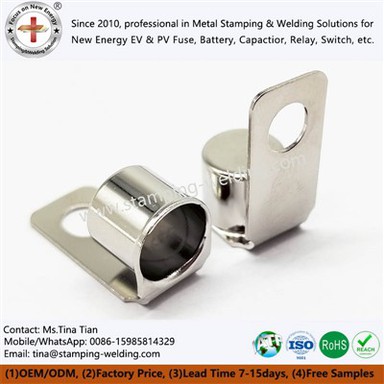
What kind of copper does the busbar belong to? Uncovering the secrets of busbar materials and their properties
Apr 28, 2026
Busbar, as the core conductive component responsible for the collection, distribution and transmission of electrical energy in the power system, its material selection directly determines the operating efficiency, thermal stability and long-term reliability of the entire system. So, what kind of copper does the busbar belong to? In engineering practice, busbars are mainly made of electrolytic copper or red copper. These copper materials have become the preferred base material in the field of bus bar copper manufacturing due to their excellent electrical conductivity, thermal conductivity and processing performance.

Characteristics of busbar copper material
As the core base material of Bus Bar Electric, copper material has the following key characteristics: Good electrical conductivity: Copper material has extremely low resistivity, about 1.68×10⁻⁸ Ω·m, which allows the busbar to significantly reduce Joule heat loss and improve power transmission efficiency when transmitting electric energy. In High Voltage BusBar applications, low resistance characteristics are particularly important because it is directly related to the temperature rise control and energy utilization of the system.
Excellent thermal conductivity: The thermal conductivity of copper is as high as 400 W/(m·K), which can quickly conduct the heat generated during the operation of the conductor to the heat dissipation structure or the surrounding medium, effectively preventing insulation aging or mechanical strength reduction due to overheating when the BusBar Voltage level is high, thereby extending the service life of the equipment.
Excellent processing performance: Copper material has good plasticity and toughness, and can be easily processed into busbars of various shapes and specifications through stamping, bending, welding and other processes, such as straight row, L-shaped, U-shaped and multi-layer laminated structures to meet the complex requirements of different power systems for spatial layout and electrical connections. The customized production of Power Bar BusBar relies on the excellent processability of copper.

The role of busbars in power systems
In the power system architecture, the function positioning of the Power BusBar goes far beyond simple conductor connection. In places such as substations, distribution rooms, and industrial plants, the busbar assumes the hub function of collecting the electric energy output by generators and transformers and distributing it to each feeder loop according to load demand. At the same time, the BusBar Electric system serves as a rigid connection bridge between electrical equipment, and its mechanical strength and contact reliability directly affect the short-circuit current withstand capability and dynamic thermal stability. Especially in 3-phase busbar applications, the symmetrical arrangement and equal-impedance design of three-phase conductors are of great significance to suppress neutral point displacement and reduce harmonic losses. In addition, with the advancement of smart grids and new energy grid integration, busbars also need to take into account electromagnetic compatibility and online monitoring interface reservations, which puts forward higher requirements for material consistency and process accuracy.
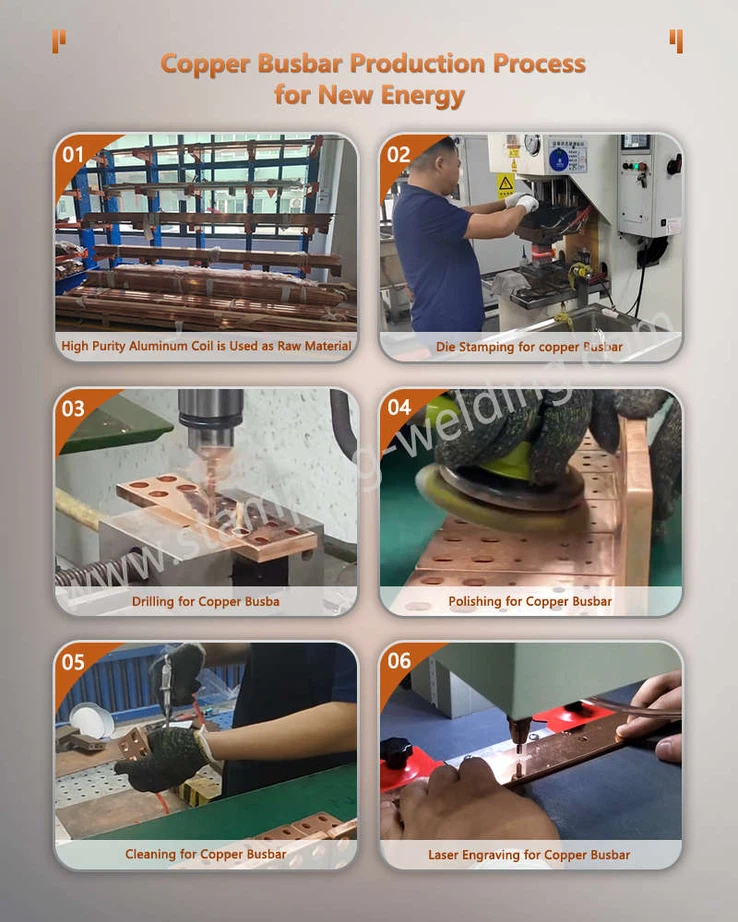
mainstream trend
In terms of supporting connection technology for busbar systems, High Current Contacts and High Current Connectors are key components to achieve low-impedance transitions between segmented busbars, equipment interfaces and maintainable nodes. The traditional bolt overlap method is prone to increased contact resistance and loosening under long-term thermal cycles. Busbar Connectors using hydraulic clamping, friction welding or brazing processes can effectively ensure the metallization and long-term stability of the contact surface. In scenarios such as data centers and rail transit that have extremely high requirements for power supply continuity, plug-in or drawer-type connection solutions combined with temperature monitoring and fast phase change functions have become a mainstream trend in the industry.

contact us
Our company focuses on providing high-performance electrical connection solutions. Our products cover high voltage, high current and various customized bus bar copper and connection components. For more professional product information about busbar systems, please feel free to contact us.