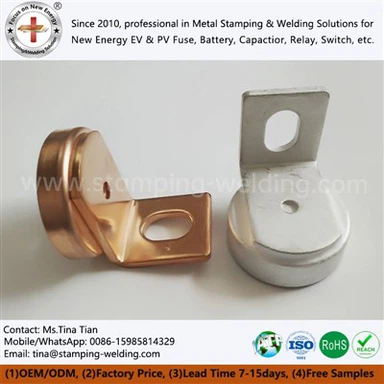
Advancing Connectivity With Copper Braided Flexible Connectors
May 21, 2025
The electrical industry is witnessing a significant transformation with the increasing adoption of copper braided flexible connectors. These connectors, known for their exceptional flexibility and conductivity, are becoming the backbone of secure and reliable electrical connections in various sectors.
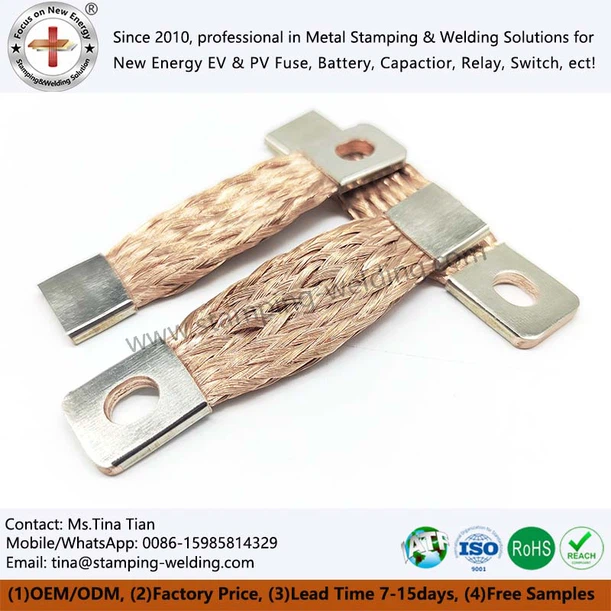
The Role of Copper Braided Flexible Connectors
Flexible Braided Copper Busbar serves as a vital link in electrical systems, providing a flexible and durable means of connecting components that may need to move relative to each other. They are particularly useful in applications where rigid connections would be impractical due to mechanical stress or thermal expansion.
Key Features of Copper Braided Flexible Connectors
Flexibility:
These connectors are designed to offer high flexibility, allowing them to bend and flex without breaking. This feature is crucial in dynamic environments where components are subject to movement or vibration.
Conductivity:
Made from copper, these connectors exhibit excellent electrical conductivity. Copper's high conductivity ensures minimal energy loss during transmission, making these connectors ideal for high-current applications.
Durability:
Flexible Braided Copper Busbar are built to last, withstanding repeated flexing and resistant to fatigue. Their durability makes them suitable for long-term use in demanding conditions.
Reliability:
The robust construction of these connectors ensures reliable performance over time. They provide a secure connection that can withstand electrical and mechanical stresses, reducing the risk of disconnection or failure.
Versatility:
These connectors can be adapted to various applications, from small electronic devices to large industrial machinery. Their versatility makes them a popular choice across different industries.

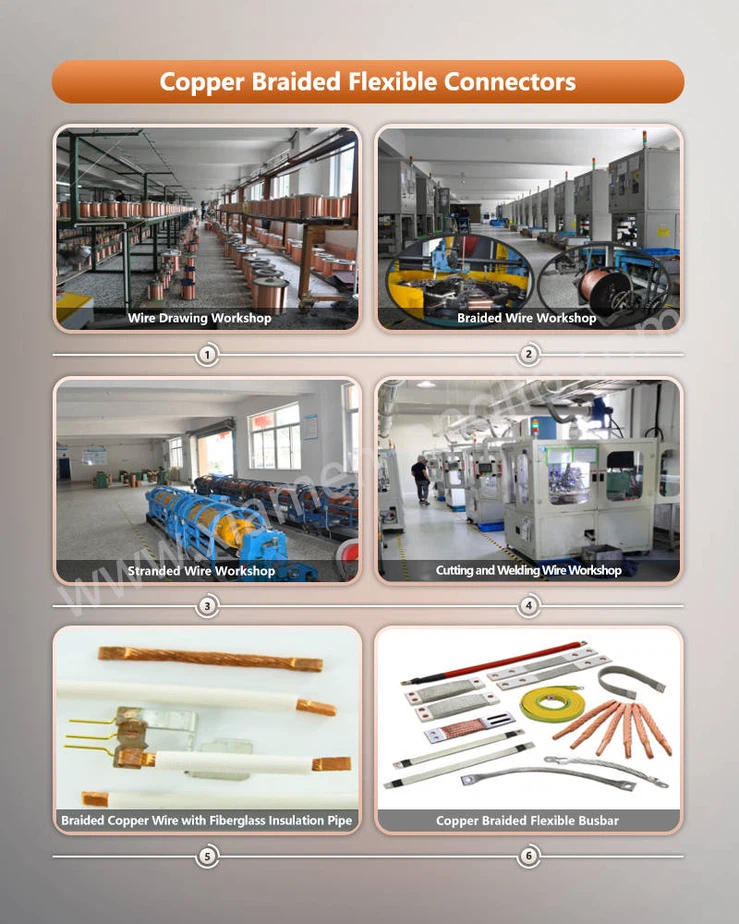
production process
Wire Drawing Workshop (Step 1):
The process begins in the wire drawing workshop, where copper wires are drawn to the required diameter. This involves passing the copper wire through a series of dies to reduce its thickness and achieve the desired gauge.
Braided Wire Workshop (Step 2):
In the braided wire workshop, the drawn copper wires are braided together to form a flexible yet conductive structure. This braiding process is crucial for creating the flexible connectors that can withstand repeated bending without breaking.
Stranded Wire Workshop (Step 3):
The stranded wire workshop is where multiple strands of copper wire are twisted together to form a larger wire. This process enhances the flexibility and conductivity of the wire, making it suitable for use in flexible connectors.
Cutting and Welding Wire Workshop (Step 4):
In this workshop, the braided or stranded wires are cut to the required lengths and welded at the ends to form secure connections. This step is critical for ensuring that the connectors can handle high currents without failure.
Braided Copper Wire with Fiberglass Insulation Pipe (Step 5):
The braided copper wire may be encased in a fiberglass insulation pipe to protect it from environmental factors such as heat, moisture, and abrasion. This insulation is important for maintaining the performance and longevity of the connectors.
Copper Braided Flexible Busbar (Step 6):
Finally, the Braided Copper Wire
are assembled into busbars. These busbars are used to distribute electricity within electrical systems, and their flexibility allows them to accommodate movement and vibration in the system.
Production Technologies
Starting Material: 99.99% Pure Copper Wire
The production begins with the use of high-purity copper wire, ensuring optimal conductivity and durability of the final product.
Braiding Process
Copper wires are then braided to create flexible connectors. This process involves intertwining multiple strands of copper wire to form a braid, which provides flexibility and strength.
Stranding Process
In addition to braiding, the copper wires may also be stranded, which involves twisting multiple wires together. This further enhances the flexibility and conductivity of the connectors.
Cutting and Welding
The braided or stranded wires are then cut to the required lengths and may undergo a welding process to secure connections. This step is crucial for ensuring the reliability of the connectors in electrical applications.
Applications Across Industries
| Automotive | In the automotive industry, copper braided flexible connectors are used in electric vehicles for their high conductivity and durability. They facilitate the transfer of high currents required for electric motors and battery systems. |
| Electronics | In electronics, these connectors are used in devices where components need to move or flex, such as in flexible displays or wearable technology. They ensure stable electrical connections despite mechanical deformations. |
| Aerospace | The aerospace industry relies on Flexible Braided Custom Connectors for their ability to withstand extreme conditions, including temperature fluctuations and mechanical stresses. They are used in aircraft and spacecraft where reliable connections are critical. |
| Renewable Energy |
In renewable energy systems, particularly solar and wind, these connectors are used to manage the high currents generated by the power systems. Their durability and conductivity are essential for efficient energy transmission. |
Future Outlook
As technology advances and the demand for flexible, reliable, and efficient electrical connections grows, the use of Flexible Braided Custom Connectors is expected to increase. Innovations in material science and manufacturing techniques are likely to enhance the performance and versatility of these connectors, further expanding their applications.
conclusion
Copper braided flexible connectors are playing a pivotal role in modern electrical systems, offering a combination of flexibility, conductivity, and durability that is unmatched by traditional rigid connections. As industries continue to evolve and the need for reliable electrical connections becomes more critical, these connectors will undoubtedly remain at the forefront of electrical connectivity solutions.
contact us