


Distribution Cabinet: A Vital Component in Electrical Infrastructure
May 29, 2025
Understanding Distribution Cabinets
A distribution cabinet, often referred to as a distribution board or panel, is a critical component of electrical infrastructure in both residential and commercial buildings. It is a type of electrical enclosure that houses the main switchboard and distribution equipment for a building's electrical supply system. The primary function of an electrical control cabinet is to distribute electrical power from the incoming supply to various sub-circuits throughout the building while providing a safe and organized way to control and protect the electrical system.

Key Components of a Distribution Cabinet
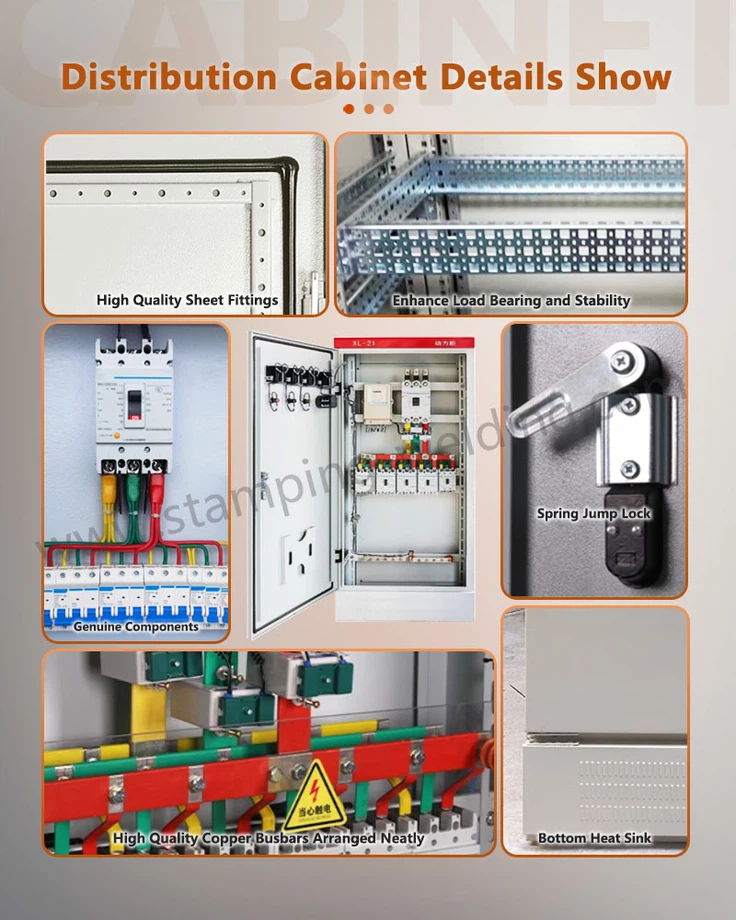
| Main Switch | This is the primary switch that controls the entire electrical supply to the building. It allows for the isolation of the entire system for maintenance or in case of an emergency. |
| Circuit Breakers | These are safety devices designed to protect the electrical circuits from damage caused by overload or short circuits. They automatically trip when the current exceeds a safe level, cutting off the power supply. |
| Fuse Holders | In some older or specific types of distribution cabinets, fuses are used instead of circuit breakers. Fuses are one-time use devices that blow when the current exceeds a certain threshold, providing protection to the circuit. |
| Busbars | These are rigid pieces of copper or aluminum that conduct high currents from the main switch to the circuit breakers and fuse holders. |
| Metering Equipment | Electrical control cabinet often include meters for monitoring electricity usage, voltage, and current. |
| Protection Devices | Additional protective devices such as surge protectors, earth leakage circuit breakers (ELCBs), and residual current devices (RCDs) may be included to enhance safety. |
Functions of a Distribution Cabinet
| Power Distribution | The cabinet ensures that electrical power is distributed efficiently and safely to all parts of the building. |
| Circuit Protection | By using circuit breakers and fuses, the cabinet protects the building's electrical system from damage due to overloads or short circuits. |
| Isolation | The main switch allows for the safe isolation of the electrical system, which is crucial for maintenance and emergency situations. |
| Monitoring | Metering equipment within the cabinet provides data on electricity usage, helping in energy management and cost control. |
| Safety | The inclusion of RCDs and ELCBs enhances safety by protecting against electrical shocks and fire hazards. |
Types of Distribution Cabinets
Consumer Units:
These are commonly used in residential buildings and are designed to protect the entire property's electrical system.
Distribution Boards:
These are larger and more complex, often used in commercial and industrial settings where multiple circuits and higher power capacities are required.
Switchboards:
These are used in industrial applications and provide a high level of control and protection for three-phase electrical systems.
Installation and Maintenance
Proper installation of a distribution cabinet is crucial for its safe operation. It should be installed by a qualified electrician in accordance with local electrical codes and standards. Regular maintenance is also essential to ensure the continued safety and efficiency of the electrical system. This includes:
Inspection:
Regularly checking the cabinet for signs of wear or damage.
Testing:
Periodic testing of circuit breakers, fuses, and protective devices to ensure they are functioning correctly.
Cleaning:
Keeping the cabinet clean and free of dust and debris to prevent overheating and improve the lifespan of components.
Conclusion
Distribution cabinets play a vital role in managing and protecting electrical systems in buildings. They ensure that power is distributed safely and efficiently while providing a means to control and monitor electricity usage. With proper installation and maintenance, server cabinet power distribution contribute significantly to the safety and reliability of electrical infrastructure.

contact us


