Everything You Need To Know About Multilayer Copper Foils Flexible BusBars
Jun 24, 2025
In the world of electrical engineering, the components that connect and conduct electricity are crucial. One such component that has gained significant traction is the multilayer copper foils flexible busbar. These busbars are integral to modern electrical systems, offering a blend of flexibility, durability, and efficient conductivity. Let's delve into what makes these busbars so essential.

What Are Multilayer BusBars?
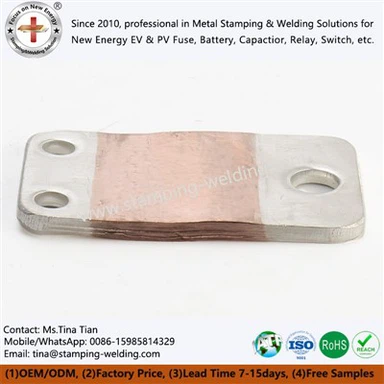
Multilayer busbars consist of multiple layers of copper foils stacked together. This construction enhances their ability to conduct electricity while maintaining flexibility. The use of copper, known for its excellent conductivity, ensures that these busbars effectively manage electrical loads with minimal resistance.
Why Use Copper Foils?
Copper foils are chosen for their superior electrical conductivity. Unlike other materials, copper offers low resistance, which means less energy loss during transmission. This is particularly important in applications where efficiency is key. Additionally, copper's durability makes it ideal for long-term use in various environments.

The Benefits of Multilayer Copper BusBars
Flexibility Meets Strength
One of the standout features of multilayer copper foils flexible busbars is their flexibility. Traditional busbars can be rigid, limiting their application in dynamic or constrained spaces. However, the multilayer design allows these busbars to bend and flex without compromising their structural integrity or performance. This makes them ideal for applications in tight spaces or where movement is a factor.
01
Enhanced Conductivity
Thanks to the multiple layers of copper, these busbars offer enhanced conductivity. Each layer contributes to the overall capacity, allowing for efficient power distribution. This is particularly advantageous in high-power applications where reliable power delivery is essential.
02
Thermal Management
Copper is not just a great conductor of electricity; it's also excellent at conducting heat. Multilayer copper busbars can help manage thermal loads in electrical systems, reducing the risk of overheating and improving overall system reliability. This thermal management capability can extend the lifespan of electronic components by ensuring they operate within safe temperature ranges.
03
Versatility in Applications
The versatility of multilayer copper foils flexible busbars cannot be overstated. They are used in various industries, from automotive to renewable energy. In electric vehicles, for example, these busbars can connect battery packs efficiently. In solar power systems, they distribute electricity generated by solar panels. Their adaptability makes them a go-to solution for modern electrical engineering challenges.
04
Applications of Flexible Copper BusBars
Automotive Industry
In the automotive sector, especially in electric vehicles, the need for efficient and compact electrical systems is paramount. Flexible copper busbars fit perfectly in this scenario. They connect battery cells and modules, ensuring that power flows smoothly and efficiently throughout the vehicle. Their ability to handle high currents and their resistance to vibration make them ideal for this application.
Renewable Energy
In the realm of renewable energy, solar and wind power systems heavily rely on efficient electrical connections. Multilayer copper busbars play a critical role in these systems by connecting various components and ensuring seamless power distribution. Their robust construction ensures they can withstand the outdoor environments typical of renewable energy installations.
Industrial Applications
In industrial settings, where machinery and equipment demand high power, multilayer copper foils flexible busbars provide a reliable solution. They can handle high current loads and are resistant to the harsh conditions often found in industrial environments. This reliability makes them essential in manufacturing plants and other industrial facilities.
Designing with Multilayer Copper BusBars
1. Customization and Design Flexibility
One of the significant advantages of using multilayer copper busbars is the ability to customize them to meet specific requirements. Engineers can design busbars with varying thicknesses and configurations, tailoring them to fit unique applications. This customization ensures optimal performance and efficiency in any given setup.
2. Installation Considerations
When installing multilayer copper busbars, it's crucial to consider factors such as the available space, thermal conditions, and the electrical load they will carry. Proper installation ensures that the busbars function as intended and contribute to the overall efficiency and reliability of the electrical system.
3. Maintenance and Longevity
Maintaining multilayer copper busbars is relatively straightforward. Regular inspections and cleaning can help ensure they remain in good condition, providing reliable performance over time. Their robust construction means they are less prone to failure, which reduces downtime and maintenance costs in the long run.

Conclusion
Multilayer copper foils flexible busbars represent a significant advancement in electrical connectivity solutions. Their combination of flexibility, conductivity, and thermal management capabilities makes them indispensable in modern electrical engineering. Whether in electric vehicles, renewable energy systems, or industrial applications, these busbars provide the reliability and efficiency that today's technologies demand. As industries continue to evolve, the role of flexible copper busbars will only grow, cementing their place as a cornerstone of modern electrical design.
contact us