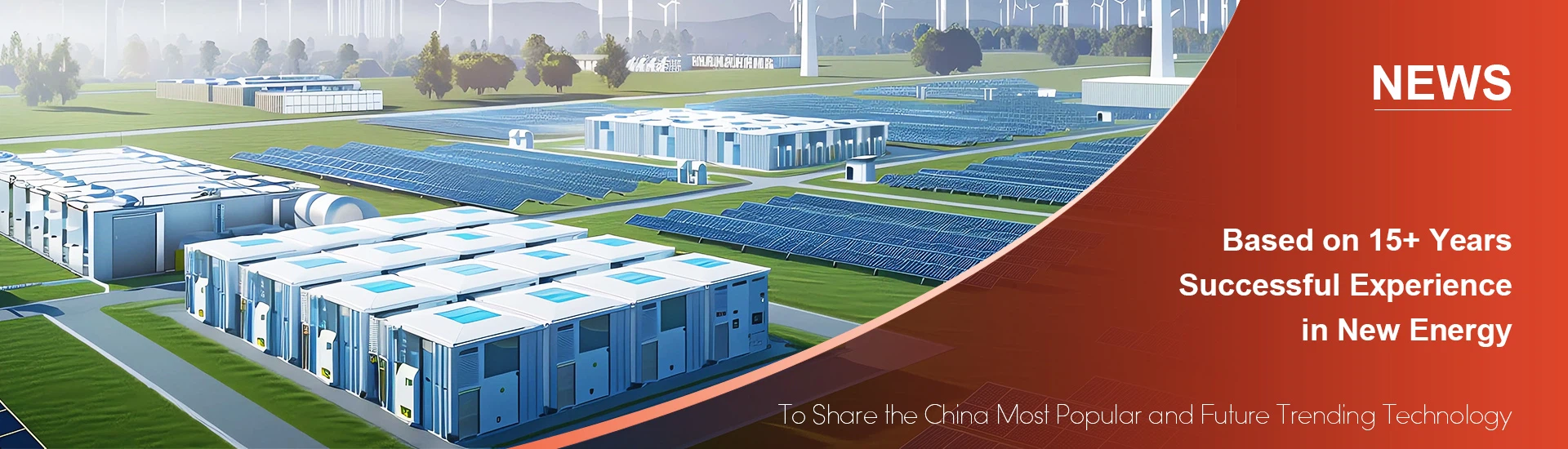
The Global Market For Commercial And Industrial (C&I) Energy Storage Is Expanding Rapidly, With Diverse Application Scenarios Driving The Evolution Of Energy Storage Systems Toward Greater Scale And Intelligence.
Nov 10, 2026
Driven by the global transition of energy structures, adjustments to electricity market mechanisms, and the sustained growth in electricity demand from the industrial and commercial (I&C) sectors, I&C energy storage is increasingly becoming a vital component of modern power systems. Compared to residential or utility-scale (grid-side) energy storage, I&C energy storage is characterized by diverse application scenarios, flexible project scales, multifaceted revenue models, and a close integration with the operational needs of businesses. Market demand has evolved beyond simple energy storage; it now encompasses a broader range of functions, including electricity cost management, backup power supply, the integration of renewable energy, grid ancillary services, and comprehensive energy management.
Globally, the demand for I&C energy storage varies by region. In Europe, growth is primarily driven by dynamic electricity pricing, rising renewable energy penetration, and the need for corporate energy cost management. In parts of Southeast Asia, the market faces the dual pressure of unstable power supply and growing industrial electricity demand. In certain African regions, the focus is on utilizing solar photovoltaic (PV) and energy storage systems to reduce reliance on diesel-powered generation. In China, the growth drivers have expanded from traditional peak-valley price arbitrage to include the development of "zero-carbon" industrial parks, the integration of distributed energy resources, and the provision of flexibility to distribution networks.
According to industry research, global newly installed capacity for I&C energy storage is projected to reach 33.76 GWh by 2026-a year-on-year increase of approximately 66%. Both international and domestic markets are expected to see continued growth. As system costs decline, project revenue models mature, and electricity market trading mechanisms evolve, I&C energy storage is transitioning from early-stage demonstration projects toward large-scale, widespread deployment.
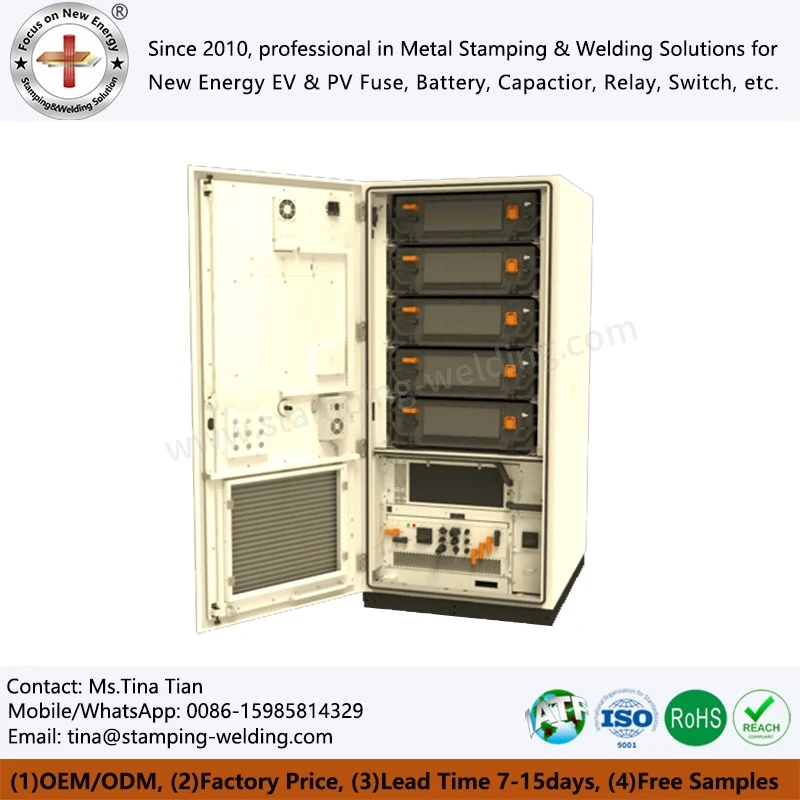
Diversifying Business Models for I&C Energy Storage: From Electricity Cost Management to Power Services
I&C energy storage is not merely a scaled-up version of residential energy storage. Because businesses differ significantly in terms of electricity load, production cycles, requirements for power supply reliability, and specific electricity trading conditions, energy storage solutions must be tailored to the unique operational environment of each project.
Currently, common application models include solar-plus-storage for self-consumption, peak-valley price arbitrage, backup power supply, participation in power ancillary services, grid peak-shaving and frequency regulation, and meeting corporate requirements for green energy management. In a "photovoltaic (PV) plus energy storage" configuration, enterprises deploy PV power generation systems alongside energy storage equipment to increase the local consumption of renewable energy.
Surplus electricity generated during peak PV production hours can be stored in battery systems and discharged at night or during periods of peak electricity demand, thereby reducing the need for grid-purchased power and lowering energy costs. Such solutions are typically well-suited for manufacturing enterprises with large factory rooftops, stable electricity loads, and a high level of self-consumption.
In regions with time-of-use (TOU) electricity pricing, energy storage systems can be programmed to charge when electricity prices are low and discharge when they are high, effectively reducing overall energy costs. As the marketization of the power sector progresses, some projects are also beginning to explore additional revenue streams through participation in ancillary services or demand-response programs.
Furthermore, some manufacturing enterprises require a high degree of power supply continuity; even brief voltage fluctuations or power interruptions can lead to equipment downtime, the need to restart production lines, or the loss of products. By incorporating energy storage systems with rapid-switching capabilities, enterprises can secure a short-term power supply during external grid disruptions, thereby enhancing the reliability of power for critical loads.
Consequently, the core value of commercial and industrial (C&I) energy storage systems has evolved beyond simple electricity storage to encompass energy cost control, production continuity, and the optimized allocation of power resources.
Improving Economics in the European Market: Dynamic Pricing Drives the Adoption of Energy Storage Projects
Europe is currently one of the key growth regions for the C&I energy storage market. Driven by shifts in energy mix, the expansion of distributed PV, and volatility in electricity prices, an increasing number of enterprises are focusing on the role of energy storage systems in energy management.
In several European countries, C&I electricity prices are high, and the significant price differentials across different time periods create opportunities for "peak-valley arbitrage." Energy storage systems can absorb electricity when PV generation is high, or market prices are low, and subsequently discharge it to meet the enterprise's demand when consumption rises or electricity prices peak.
In markets with dynamic pricing-such as Germany-the disparities between wholesale electricity prices, time-varying grid charges, and end-user electricity costs allow for a variety of operational strategies for energy storage systems. However, the actual returns of a project cannot be determined solely based on the peak-valley price spread in the wholesale market. Instead, one must holistically consider factors such as grid charges, taxes, power purchase and sale agreements, system efficiency, and capacity degradation over the battery's lifecycle.
As dynamic pricing products and electricity market trading mechanisms continue to mature, the focus of enterprises regarding commercial and industrial (C&I) energy storage systems has shifted from mere equipment procurement to an assessment of the system's overall economic viability. During project development, parameters such as power and capacity configuration, charge/discharge strategies, and load forecasting capabilities directly influence the investment payback period.
Meanwhile, the European market is increasingly demanding higher shares of renewable energy usage, lower carbon emissions across the supply chain, and greater transparency in energy management. For export-oriented manufacturing enterprises, energy storage systems not only help control energy costs but can also be integrated with on-site photovoltaic (PV) installations, energy monitoring platforms, and production management systems to support the optimization of the enterprise's energy structure.
Combining Peak-Valley Arbitrage with Dynamic Dispatch: The Growing Need for Intelligent Energy Storage Management
As electricity market mechanisms evolve, the business model that relies exclusively on fixed peak-valley price spreads to generate revenue is undergoing a transformation. For C&I energy storage projects, the ability of a system to dynamically adjust its operational strategy-based on electricity prices, load demands, and grid conditions-has become a critical factor in determining project profitability.
Traditional energy storage systems typically operate according to a pre-set schedule, utilizing relatively simple control logic. In contrast, within an environment characterized by dynamic pricing and electricity market trading, systems must synthesize historical load data, real-time electricity prices, weather forecasts, PV power output, and production schedules to determine the optimal operating windows.
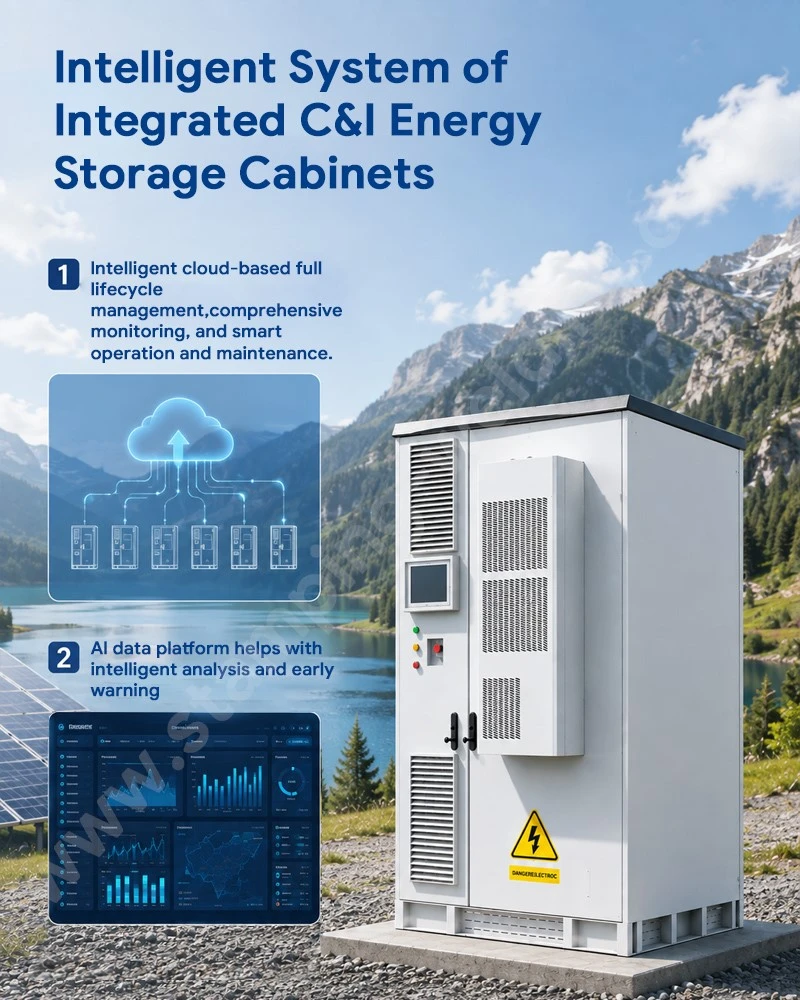
In this context, the Battery Management System (BMS) plays a vital role in monitoring battery status and ensuring safety. A BMS typically tracks individual cell voltages, temperatures, currents, state of charge (SoC), and state of health (SoH). Through functions such as cell balancing, fault early warning, and protective control, it mitigates operational risks-including overcharging, over-discharging, and abnormal temperature spikes.
It should be noted that while the BMS is responsible for monitoring, protection, and status management at the battery level, it cannot fully replace the dispatching functions of an Energy Management System (EMS). In practical applications, an EMS is generally required to coordinate the interactions between the battery, the Power Conversion System (PCS), PV inverters, power distribution equipment, and electrical loads.
For projects with multiple revenue streams, smart energy management systems for commercial storage can adjust operational strategies based on electricity price fluctuations, load demand, and grid instructions. This enables the energy storage system to effectively balance functions such as peak shaving and valley filling, backup power supply, and the provision of ancillary services.
Millisecond-Level Response Enhances Power Reliability for Critical Industrial Applications
In sectors such as semiconductor manufacturing, precision electronics processing, medical equipment, data centers, and continuous-process industrial plants, power stability directly impacts production efficiency and product quality. Certain sensitive equipment is highly susceptible to voltage sags, brief power interruptions, and frequency fluctuations. Traditional backup generators-which require time to start up and synchronize with the grid-often struggle to meet the instantaneous power requirements of all critical loads.
Battery energy storage systems (BESS) can respond to external power anomalies within a very short timeframe, providing backup power to critical loads. Through the coordination of power conversion systems (PCS), static transfer switches, and power distribution control systems, the setup can facilitate seamless power source switching and load support, depending on the specific system architecture.
In practical engineering, the switching time is not determined solely by the battery; it is also influenced by the PCS control strategy, the response speed of switching equipment, the mode of grid-connected or off-grid operation, and the characteristics of the load. Therefore, project design must account for equipment technical specifications and on-site test results to clearly define the system's response time and the scope of its power supply protection.
For industrial users with high power quality requirements, battery-based energy storage can be integrated with uninterruptible power supplies (UPS), diesel generators, and on-site power distribution systems to create a multi-layered power assurance architecture.
Compared to simply adding more backup generation capacity, this approach also enables daily load management and the integration of renewable energy, thereby improving overall equipment utilization.
Growing Demand in Southeast Asia and Africa Driven by the Need for Power Reliability
Unlike in Europe, where project economics are primarily driven by electricity pricing mechanisms, the demand for commercial and industrial (C&I) energy storage in parts of Southeast Asia and Africa is largely fueled by factors such as unreliable power supply, rising industrial load demand, and the high cost of traditional power generation.
In Southeast Asia, the expansion of the manufacturing sector has led to a sustained increase in industrial electricity demand; however, in some regions, a gap persists between the development of power grid infrastructure and the growth in load demand. Issues such as power outages, voltage fluctuations, and insufficient local power supply capacity have prompted factories to evaluate power solutions that combine photovoltaics (PV) with energy storage.
Energy mixes, policy environments, and grid conditions vary across markets like Vietnam, Thailand, Indonesia, and the Philippines. Some regions are actively promoting the integrated development of renewable energy and energy storage; consequently, energy storage projects are evolving beyond simple backup power to encompass PV integration, load management, and the construction of microgrids.
For industrial parks with inadequate grid coverage or poor power supply stability, industrial microgrid energy storage systems can be integrated with distributed PV, backup generators, and local power distribution networks to form a relatively independent energy supply system. Through optimized storage capacity configuration and control strategies, these systems can maintain the operation of critical loads during external grid disruptions.
In parts of Africa, some mines, industrial parks, and remote production sites have long relied on diesel-based power generation. The cost of diesel power is heavily influenced by fuel prices, transportation distances, and equipment maintenance expenses. In locations with sufficient solar resources and suitable site conditions, a combination of PV and energy storage offers the potential to lower long-term power costs and reduce reliance on diesel supply chains.
However, for off-grid energy storage projects, it is essential to carefully evaluate factors such as backup capacity during prolonged periods of overcast or rainy weather, load fluctuations, the coordinated control of diesel generators, and the long-term cycle life of the batteries. Power supply reliability cannot be assessed solely based on PV generation output and the nominal capacity of the batteries.
Modular Energy Storage Systems Enhance Configuration Flexibility
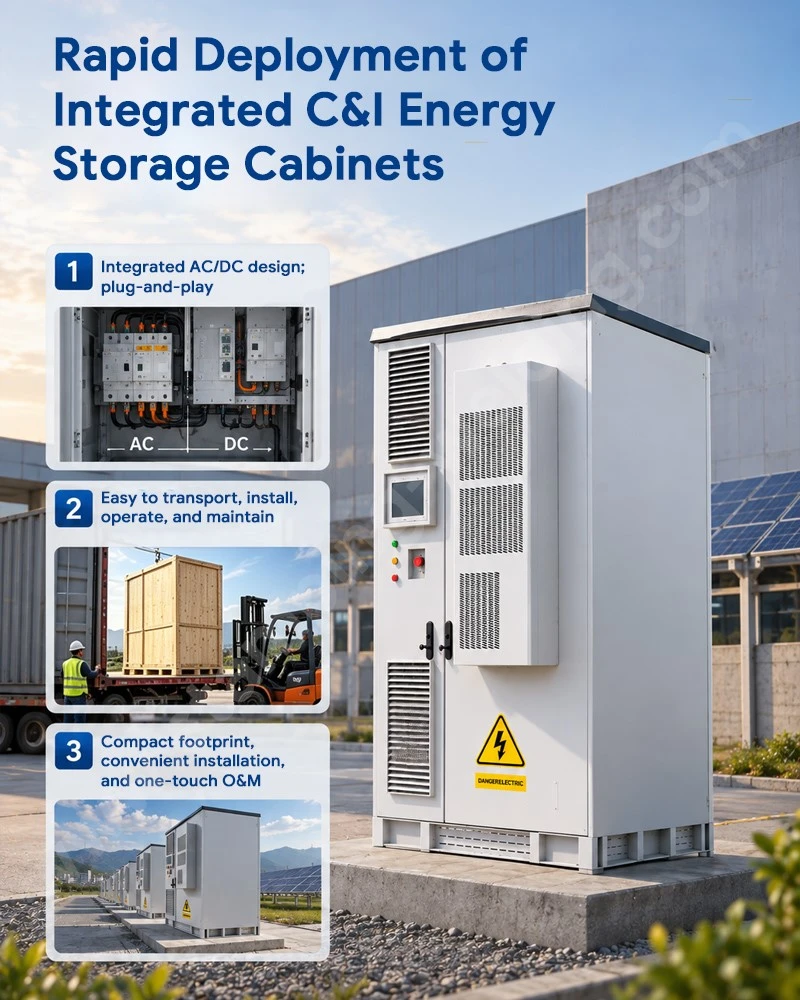
Commercial and industrial (C&I) energy storage projects vary significantly in scale-ranging from small-scale systems for individual factories (tens of kilowatt-hours) to multi-megawatt-hour installations for industrial parks-all of which require designs tailored to specific load profiles and operational objectives. A standardized, modular system architecture helps simplify project configuration while increasing flexibility for future capacity expansion and maintenance.
Modular energy storage systems for the C&I sector typically incorporate modular components such as battery clusters, power conversion equipment, thermal management systems, fire protection systems, and control units. Projects can be configured initially based on actual load requirements and investment plans, with the option to add further energy storage units as conditions allow.
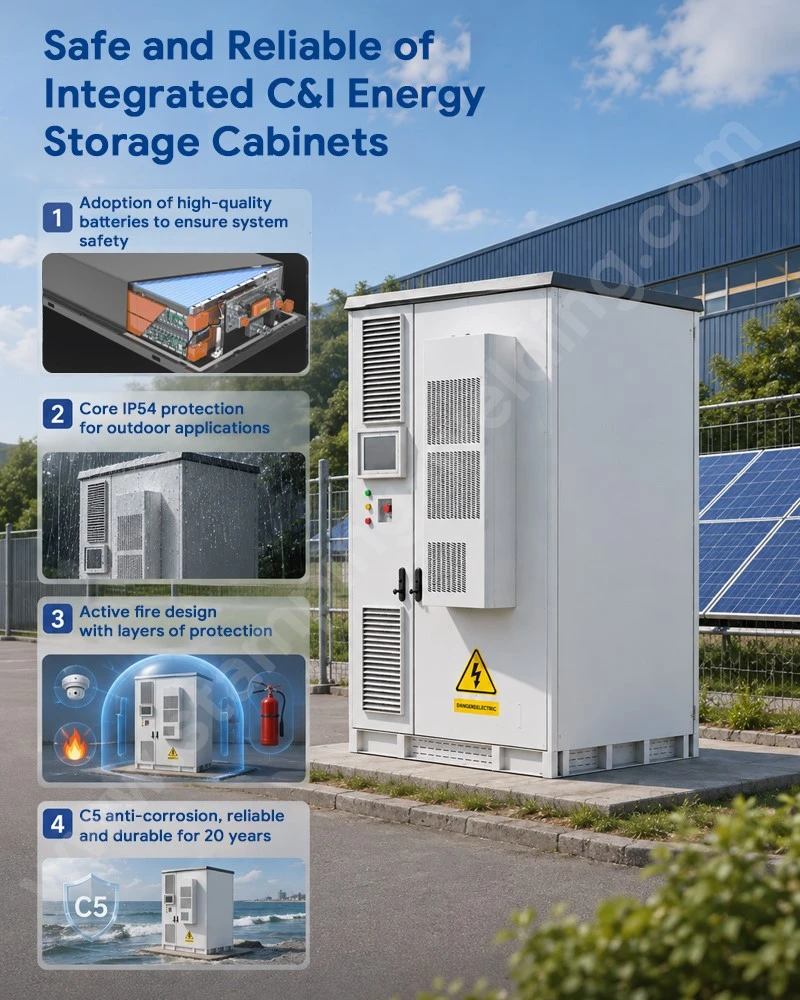
During the system integration process, key considerations include consistency across battery clusters, DC-side protection, AC-side grid interconnection, thermal management, fire isolation, and communication protocols between devices. For outdoor deployments, it is also necessary to evaluate requirements for dust resistance, waterproofing, corrosion resistance, and temperature adaptability, based on local climatic conditions.
For large-scale manufacturing enterprises and industrial parks, battery storage systems must not only meet capacity requirements but also align with transformer capacity, distribution lines, production loads, and grid connection conditions. System design should strike a balance: avoiding over-provisioning of power capacity-which leads to low equipment utilization-while ensuring sufficient capacity to meet operational demands.
Furthermore, the degree of modularity in energy storage equipment influences installation timelines, transportation methods, maintenance efficiency, and the costs associated with future capacity expansion. During procurement, it is essential to assess equipment interface standards, module compatibility, and the supplier's capacity for long-term technical support.
The Domestic Market: From Fixed Price-Spread Arbitrage to Diversified Value-Based Operations
The domestic market for industrial and commercial (I&C) energy storage has garnered significant attention, with a notable rise in the number of registered projects; however, the volume of registered projects does not equate to the scale of those actually in operation.
Whether an energy storage project achieves its projected returns depends on factors such as initial investment, utilization hours, charge-discharge cycles, electricity pricing policies, and operational management capabilities.
Previously, many I&C energy storage projects relied primarily on fixed time-of-use (TOU) electricity pricing-executing one or two charge-discharge cycles per day-to profit from the price spread between peak and off-peak periods. Yet, with adjustments to TOU pricing mechanisms in certain regions and the deepening of electricity market trading, the uncertainty surrounding project returns has increased.
Under market-based pricing mechanisms, energy storage operators must more accurately forecast price fluctuations and develop operational strategies that account for load demand, equipment efficiency, and the costs associated with battery degradation. A model that relies solely on charging and discharging during fixed time slots may struggle to adapt to an increasingly complex electricity trading environment.
Meanwhile, the scope of applications for I&C energy storage in China is expanding. Initiatives such as the development of "zero-carbon" industrial parks, the integration of distributed photovoltaics, the growth of charging infrastructure, and load regulation within power distribution zones are all creating new opportunities for energy storage systems. In zero-carbon industrial parks, energy storage can coordinate distributed photovoltaic (PV) systems, EV charging stations, production equipment, and the energy loads of public buildings, thereby improving the alignment between energy supply and demand. In power distribution zones, distributed energy storage can adjust its charge and discharge cycles in response to local load fluctuations, helping to alleviate issues such as line overloads and voltage instability during peak periods.
Looking ahead, the operational value of grid-connected industrial energy storage systems will extend well beyond simple electricity cost management for end-users. These systems will increasingly participate in broader power system regulation through demand response, ancillary services, and electricity market trading. Consequently, a project's operational capabilities, data analytics proficiency, and system control sophistication will become critical factors in determining long-term profitability.
Global Market Trends: The Evolution Toward Integration, Intelligence, and Scenario-Specific Solutions
On a global scale, industrial and commercial energy storage is following diverse development paths. In Europe, the focus is on electricity market trading and energy cost optimization; in Southeast Asia, the priority is power supply reliability and ensuring stable electricity for industrial operations; in Africa, the emphasis is on off-grid power supply and replacing diesel-based generation; meanwhile, in the Chinese market, applications are increasingly expanding into zero-carbon industrial parks and integrated power distribution network solutions.
As the costs of energy storage cells and power conversion equipment continue to decline, and as system integration technologies advance, the range of applications for commercial energy storage is set to broaden. At the same time, factors such as battery safety, system efficiency, operational lifespan, and total lifecycle costs will become key criteria for project selection.
In terms of equipment architecture, future energy storage systems will place greater emphasis on the synergy between battery units, power conversion systems (PCS), battery management systems (BMS), energy management systems (EMS), thermal management, and fire protection systems. For any given application, the system must strike an optimal balance between power response, storage duration, cycle life, and safety-rather than simply pursuing larger installed capacity.
For industrial parks, mining sites, and remote production facilities that require independent power supplies, energy storage power stations can be integrated with PV, wind power, backup generators, and local loads to form comprehensive energy systems. For grid-connected projects, the focus shifts to compliance with grid-connection standards, power quality, protection configurations, and requirements for dispatch communication.
Overall, the industrial and commercial energy storage sector is shifting from the procurement of individual pieces of equipment toward the adoption of systematic energy solutions. The long-term competitiveness of a project depends not only on the price of the batteries, but also on the quality of system integration.
Engineering design, operational control, safety management, and long-term maintenance are closely interconnected.
Key Considerations in Engineering Procurement: Shifting Focus from Equipment Specifications to Full-Lifecycle Suitability
For enterprises planning to develop commercial and industrial (C&I) energy storage projects, procurement decisions should be grounded in actual load data and specific application objectives. First, it is essential to define the project's primary function-whether it involves peak-shaving/valley-filling (arbitrage), solar-plus-storage integration, backup power supply, microgrid operations, or a combination of these. System power and capacity requirements should then be determined based on load profiles, peak demand, power supply conditions, and the target discharge duration.
Furthermore, careful evaluation is required for battery chemistry, nominal capacity, cycle life, charge/discharge efficiency, operating temperature range, Battery Management System (BMS) protection strategies, as well as fire safety and thermal management configurations. It is also necessary to verify the Power Conversion System's (PCS) on-grid/off-grid capabilities, grid-connection protection schemes, communication interfaces, and Energy Management System (EMS) control logic to ensure compatibility with existing power distribution and production management systems.
For overseas projects, the suitability of equipment must be verified against the target market's grid-connection standards, environmental conditions, and certification requirements. Factors such as high temperatures, high humidity, salt spray, dust, and grid instability at the project site can significantly influence equipment selection and the operational lifespan of the system.
During the engineering procurement phase, it is advisable to conduct a comprehensive assessment covering system configuration, technical specifications of key components, installation interfaces, acceptance criteria, warranty scope, and after-sales support mechanisms. For customized projects, providing facility load profiles, power distribution schematics, target storage capacity, and application scenarios in advance will facilitate effective solution matching and technical assessment.
If you are planning a commercial or industrial energy storage project, an industrial backup power system, or an integrated solar-plus-storage solution, we invite you to share your project requirements, equipment specifications, and operating environment. Our engineering team is available to discuss system architecture, supporting metal structures, precision-stamped and welded components, and relevant manufacturing requirements.
Through preliminary technical consultation and sample validation, we can refine material selection, structural design, connection methods, and mass-production strategies, providing reliable manufacturing support for the successful implementation of your project.
contact us