Grounding Copper Busbar: The Unsung Hero in Sustaining Lineman Safety Through Unwavering Reliability
Aug 22, 2025
Grounding copper busbar is a vital component in electrical systems, playing a crucial role in ensuring safety and proper functioning of electrical equipment and infrastructure. It serves as a conductor that provides a path for electrical current to flow to the ground in case of faults or abnormal conditions, thereby protecting personnel, equipment, and the overall electrical system from potential damage and hazards.

industry dynamics
Recent discussions in the electrical industry, as highlighted in articles focusing on lineman safety, have underscored a critical truth: the reliability of grounding and jumper equipment is not just a matter of equipment performance, but of life and death. These articles emphasize that while grounding cables and jumpers are designed to withstand harsh conditions-being tossed in trucks, exposed to rain, mud, and daily wear-their effectiveness erodes over time without proper care. This erosion poses grave risks, especially when circuits unexpectedly re-energize due to human error, static buildup, or stored charges, leaving linemen vulnerable to lethal currents.
Amidst this focus on maintaining protective equipment, one component stands out for its role in reinforcing long-term safety: the Tinned Copper Ground Bar for Underground System. Unlike flexible cables that are prone to physical damage or insulation wear, Grounding Busbar Tmgb Coppers are engineered for unwavering reliability, making them a cornerstone of robust grounding systems.
Copper, by nature, offers exceptional electrical conductivity, ensuring that even in fault scenarios, dangerous currents are efficiently redirected to the ground-exactly the lifeline linemen depend on when facing unexpected re-energization. But its true strength lies in durability. Unlike cables that can fray, crack, or degrade from repeated handling, a well-constructed Earthing terminal copper busbar kit resists corrosion, withstands physical impacts, and maintains structural integrity over decades. This resilience means it remains a consistent, low-resistance path for current, even in the harshest field conditions-from muddy work sites to relentless rain-that often plague temporary grounding equipment.
This reliability directly addresses the industry's concern about equipment degradation. While regular inspections and maintenance of cables and jumpers are non-negotiable, the Copper Busbar for Uninterrupted Power Stock reduces the margin for error. Its rigid structure minimizes the risk of hidden damage that could compromise safety, providing linemen with a stable foundation in their protective grounding setup. It acts as a constant, ensuring that even if other components face wear, the core pathway for fault currents remains unbroken.
Material and Construction
Copper Material: Copper Bus Bar Tappeds are typically made of high-quality copper due to its excellent electrical conductivity, corrosion resistance, and mechanical strength. Copper's superior conductivity allows for efficient current transfer, while its corrosion resistance ensures longevity even in harsh environmental conditions.
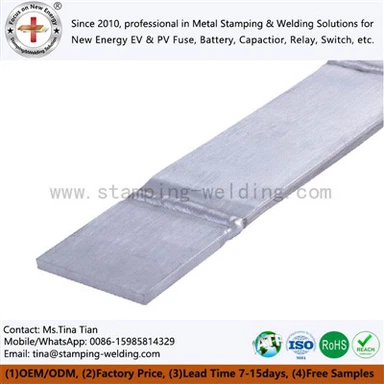
Busbar Construction: The Power Distribution Bus Bar is usually constructed in the form of a flat, rectangular strip or a circular rod. The flat strip configuration offers better surface area for heat dissipation and is commonly used in various grounding applications. The dimensions of the busbar, such as width and thickness, are determined based on the specific electrical requirements and current-carrying capacity needed for the grounding system.

Installation Considerations
Proper Sizing: It is essential to select the appropriate size of Backplane Bus Bar based on the expected fault currents and the specific requirements of the electrical system. Oversizing the busbar can lead to unnecessary costs, while undersizing may result in inadequate grounding protection and potential safety hazards.
Connection Methods: Secure and reliable connections are crucial for the effective functioning of grounding copper busbars. Various connection methods, such as bolted connections, welding, or compression connectors, can be used depending on the application and the type of busbar. Proper torque specifications should be followed for bolted connections to ensure a tight and low-resistance connection.
Corrosion Protection: Although copper offers good corrosion resistance, in certain environments with high humidity, chemicals, or pollutants, additional corrosion protection measures may be necessary. This can include applying corrosion-resistant coatings, using protective enclosures, or implementing cathodic protection systems to extend the service life of the Vertical Copper Bonding Busbar.
relevant product
At our company, we recognize that reliability in grounding systems is non-negotiable. Our range of Earthing terminal copper busbar kits is designed with this principle at its core, crafted from high-purity copper to meet stringent industry standards. Engineered to endure the toughest environments, they complement the protective measures outlined in safety guidelines, offering linemen and electrical teams an added layer of confidence. In a field where every component matters, our Copper Bus Bar Tappeds stand as a testament to our commitment to upholding the highest safety standards-one reliable connection at a time.

contact us